
Things to Do In Bangor Wales
Taking a sunrise walk along the loveliest pier in Wales, crossing one of the most beautiful bridges in Europe and discovering one of Britain’s least-known World Heritage Sites are among the best things to do in Bangor, North Wales.
Bangor is one of those places that many visitors to North Wales pass through without stopping or bypass altogether. There are enough things to see in and around this small city, but, whisper it, if you’re reliant on public transport, it’s the best-connected base in North Wales, with trains and buses giving you a whole range of options.
Bangor is on the doorstep of Eryri, known to English speakers as the Snowdonia National Park, and within a bus ride of three World Heritage-listed Castles. It’s just across the Menai Strait from the lovely Isle of Anglesey, the largest island in Wales, and some of the best beaches in North Wales are just a short hop away.
I often used Bangor as my base when recceing multiple sites around North Wales for photography and film locations back in my Visit Wales days. Driving gives you greater choice, of course, but Bangor is well worth considering if you don’t have your own vehicle.
In this article, I’ll show you what there is to see in Bangor and the surrounding area, before showing you where else you can reach by public transport and by car. I’ll also suggest places to stay in Bangor, and a few possible tours in North Wales too. I hope that you find it helpful.
Where To Stay In Bangor
There are several great mid-range options in and around Bangor, with more luxurious options a little further afield:
Nomi Rooms & Restaurant – great location near Bangor Pier, beautiful refurbished rooms, some with Menai Strait view, and an Indian restaurant downstairs
The Slate – great place to stay on the outskirts of Bangor, ideal if you’re driving
Y Garth Guesthouse – excellent long-established B&B next to the city centre, also close to both the pier and train station
Lovely Victorian House Close To The Sea – a 4-bedroom holiday home in Upper Bangor, a two-minute drive from the Menai Suspension Bridge
And not far from Bangor:
Chateau Rhianfa – Loire Valley-inspired chateau just across the water on Anglesey, with magnificent views of the coastline and Snowdonia
Take A Walk Along Gorgeous Garth Pier

One of just six piers left in Wales (sorry Colwyn Bay, but your rebuilt mini-pier isn’t the real thing), Garth Pier is glorious. It stretches out 460 metres (1,500 feet) into the Menai Strait towards Anglesey, from the location where the Garth Ferry used to operate between Bangor and Anglesey, prior to the opening of the Menai Suspension Bridge (see below) in 1826.
It costs just £1.00 to visit the Pier, and a walk to the end rewards you with magnificent views east to the Great Orme, southeast to the peaks of Snowdonia, and west down the Menai Strait (Afon Menai in Welsh). It’s also a popular fishing spot, and birdwatchers will often have a fruitful visit – last time I was there a saw several oystercatchers.
Garth Pier also brings a touch of the exotic to Bangor. The Indian-style domes above the café at the end and flanking the entrance are a delight, and the sloping roof of the kiosks (all of which house shops) also offer something different.
If you’re wondering about the ‘Didn’t We Have A Lovely Time The Day We Went To Bangor?’ hit song from the late 1970s, it does indeed refer to this Bangor. Although I suspect it was probably written about somewhere else, perhaps Llandudno, but the resort town has one syllable too many in its name to fit in the song! The area around the Pier, with its ice cream stalls, is the only part of the city that resembles the place described in the song any way. There’s neither ferris wheel nor beach as in the song, just shoreline, but it’s a lovely spot to spend an hour or two and enjoy a bag of fish and chips by the sea.
Visit The Stunning Menai Suspension Bridge
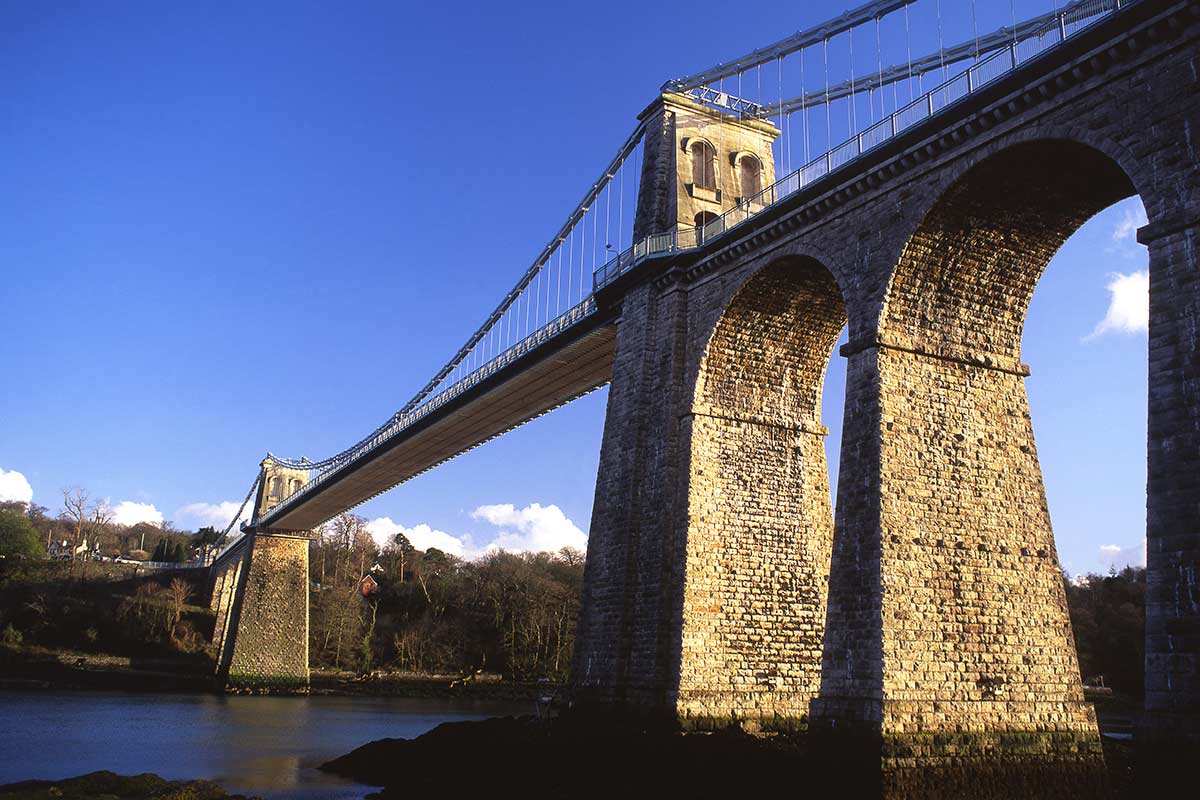


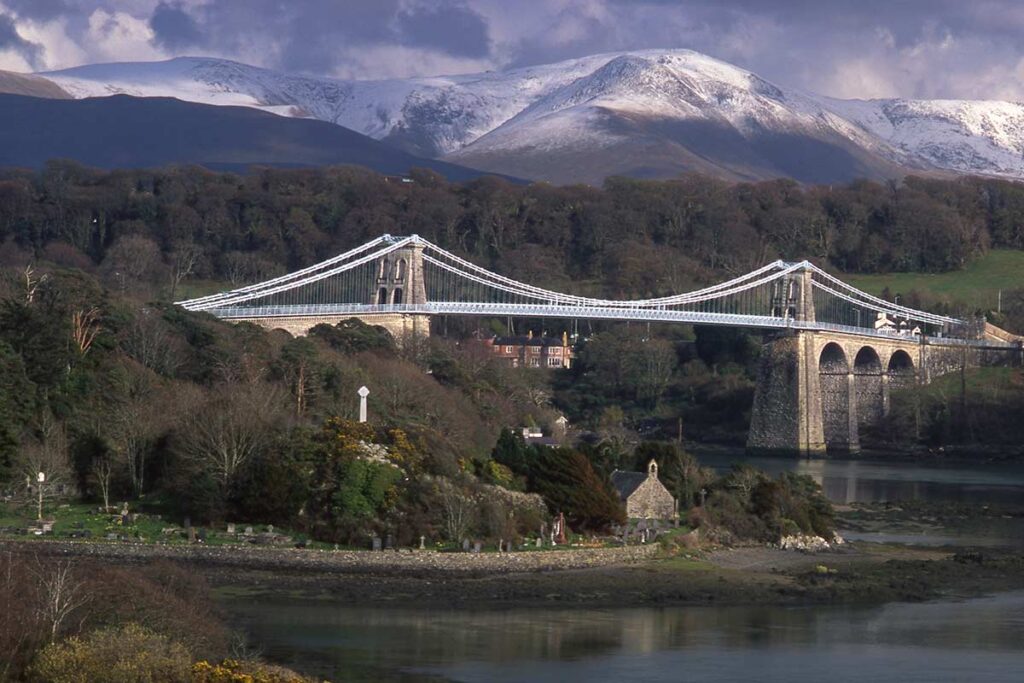
It’s probably the most famous bridge in Wales, and one of the most beautiful bridges in Europe. Until Thomas Telford completed his elegant Menai Suspension Bridge in 1826, most people made the crossing via the Garth ferry from Bangor (see above) or the treacherous Traeth Lafan, crossing a sandbank at low tide before catching a boat the rest of the way. The Bridge carries Telford’s great A5 road over the Strait before its final journey across Anglesey to Holyhead.
The Menai Suspension Bridge is a stunning sight, especially from the viewpoint on the A5 on the Anglesey side. The ridges of the Carneddau range – often snowcapped between autumn and springtime – make a dramatic backdrop for the Bridge, one of the most picture-perfect landmarks in Wales.
See Also: A5 Road Trip Wales – The Complete Guide
Discover Bangor Cathedral – The Oldest In The UK

Bangor Cathedral is the oldest Cathedral in Britain, founded in 525 AD by St Deiniol, one of the most prominent Celtic saints in the North Wales area. Nothing survives of his Cathedral, which during the 13th century was right in the middle of a war zone as English King Edward I sought to subjugate the Kingdom of Gwynedd (in which Bangor was located) and the Welsh in general.
The oldest part of the present Bangor Cathedral is the nave, which dates from the 14th century. It’s one of the more modest cathedrals in the UK, and you’d be forgiven for mistaking it for a parish church.
There’s not a great deal of note to see – the most significant work of art is the mournful Mostyn Christ, a wooden carving of a greatly pained Christ wearing his crown of thorns. It’s one of the best examples of this type of sculpture that I’ve seen, and they’re extremely rare in the British Isles, more commonly found in Central Europe.
See Also: 30 Best Churches in Wales To Visit
Visit Penrhyn Castle

Penrhyn Castle, on the outskirts of Bangor, remains a place of great controversy over a century after the three-year Great Strike by local quarry workers employed by its owners. Richard Pennant, 1st Baron Penrhyn, acquired the estate with the proceeds of several slave-worked sugar cane plantations in Jamaica. He also founded the nearby Penrhyn Quarry in Bethesda, which was to become the largest slate quarry in the world.
A strong slavery anti-abolitionist, he set about rebuilding the medieval manor house that once occupied the site. George Hay Dawkins-Pennant inherited the Estate, and commissioned Thomas Hopper to create the Romanesque Revival Penrhyn Castle that we see today. The interior is sheer opulence, particularly the Grand Staircase, one of the finest in the UK, never mind Wales.
Many locals, including relatives of mine in the area, refuse to visit Penrhyn Castle on account of the Penrhyns’ treatment of their workers during their 1900-03 Great Strike. I have taken the same stance, both in sympathy with the workers and their plight, and also as a distant descendant of a slave trader, a small statement of my personal abhorrence of the practice.
The National Trust own and operate the Castle, and in recent years have (belatedly) focused more on the stories of those who suffered hardship while an extraordinarily wealthy family who made their fortune off their backs swanned around their neo-Romanesque pile on the shore of the Menai Strait. Perhaps one day I may even visit myself.
Port Penrhyn


Porth Penrhyn is the harbour from which slate quarried at Penrhyn Quarry was exported around the world, and it’s also part of the Welsh Slate Landscape UNESCO World Heritage Site.
The small harbour – now used by fishing boats and small leisure craft – was connected to the Penrhyn Quarry in Bethesda by the narrow-gauge Penrhyn Quarry Railway, one of the first such railways in the world, and the railway sheds remain at Port Penrhyn.
There’s not a great deal to see at Port Penrhyn, other than the view across the harbour to the city with the University the most prominent building atop the hill. It’s also the starting point of the Lon Las Ogwen, a cycle trail that runs along the Railway trackbed, eventually climbing into the mountains to Llyn Ogwen, one of the most beautiful lakes in Snowdonia.
Bangor University – The Only World Heritage-Listed University In The UK
Here’s an obscure one for pub quizzes for you. What is the only university in the UK to be part of a World Heritage Site? Oxford? Cambridge? No. The answer is Bangor.
The buildings of the University are impressive enough, particularly the hilltop Main Arts building which dominates the city’s skyline. Back in the 1980s I recall locals saying that Main Arts was often mistaken for the Cathedral, and it’s an easy assumption to make.
The University has been accorded World Heritage statues as part of the Slate Landscape of the Northwest Wales World Heritage Site. This is because a substantial portion of funds for it were raised by local slate quarry workers, some of whom participated in the Great Strike of 1900-03. They wanted to give their children and descendants a better chance in life, and more opportunities through education, that they ever had themselves.
If you’re interested, it’s well worth the short walk through the park and up the hill to the Main Arts building (completed in 1911) and the quadrangle behind it. Along with Yr Hen Goleg (the Old College on Aberystwyth seafront) it’s the most impressive ensemble of university buildings in Wales.
Hike To Aber Falls
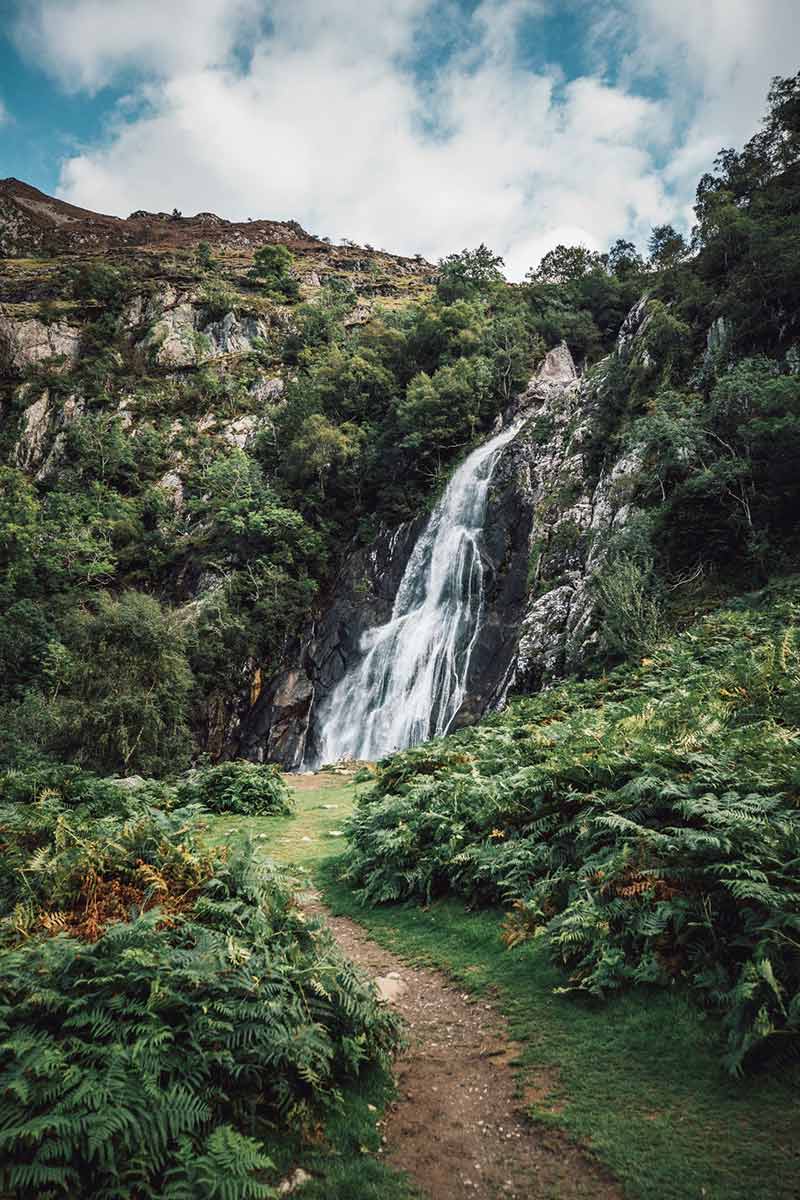
Aber Falls is one of the most famous waterfalls in Wales, and one of the few parts of the Carneddau range of northern Snowdonia where many visitors venture.
The Falls are named after the nearby village of Abergwyngregyn, from where it’s a fairly easy two-mile (3 km) walk to the Falls. The village was the site of the seat of Llywelyn ap Gruffydd, the last free and native Prince of Wales.
Getting there: Bus 5 from stand E at Bangor bus station runs frequently to the Aber Falls stop, just off the A55 and next to the village rather than the Falls. The journey takes just 15 minutes.
Go Zip-Wire Riding In Penrhyn Quarry

The original Zip World – a zip line on which you hurtle above what was the largest slate quarry in the world – is at the former Penrhyn Quarry near Bethesda, a few miles inland from Bangor on the northern edge of Snowdonia.
Depending on your weight (the maximum, so you’re aware, is 130 kg) you can reach a speed of over 100 miles per hour (160 km per hour).
The Penrhyn Quarry package includes two zip rides – a short one, followed by Velocity, the big one from the top to the bottom of vast Penrhyn Quarry. I know many people who have done it and loved it, and may well try it myself one of these days.
You can book your Zip World Velocity tickets here.
Visit Snowdonia

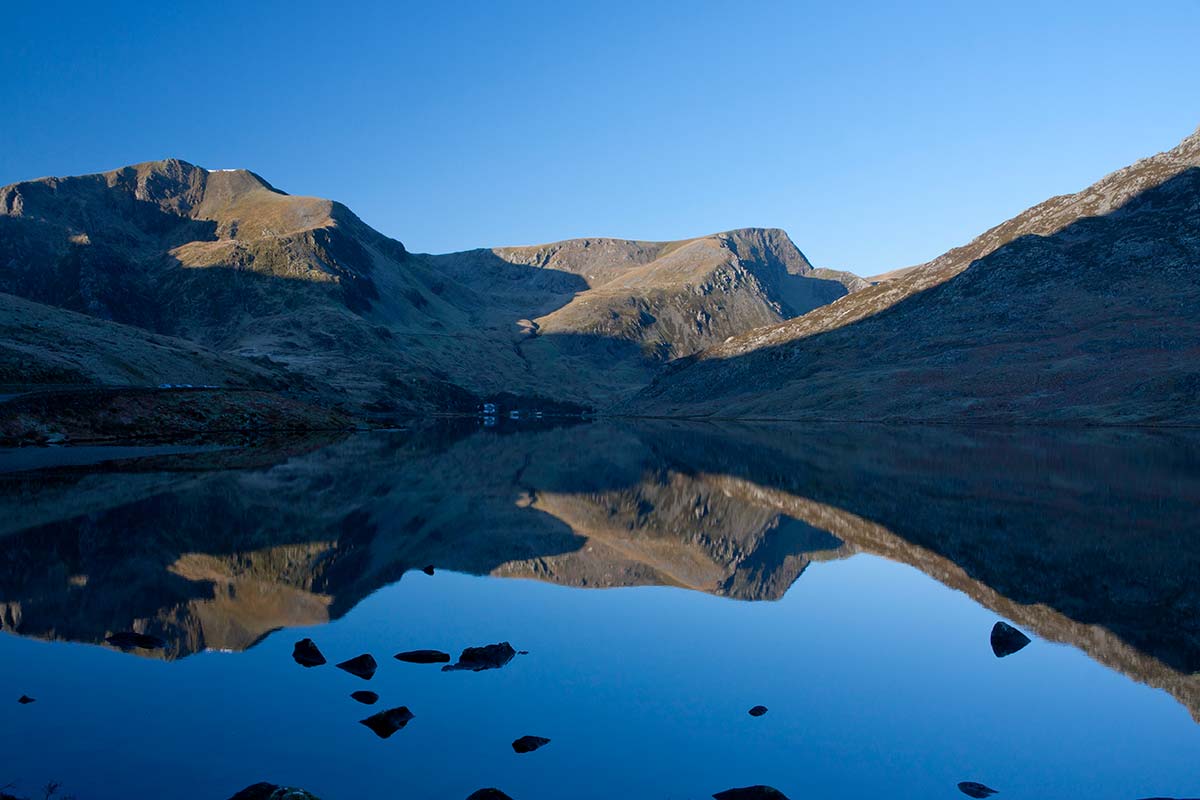

Eryri – the Snowdonia National Park – is right on Bangor’s doorstep. It’s now more accessible thanks to the T10 Bangor to Corwen bus service which follows the A5 road through the Ogwen Valley to Capel Curig and Betws-y-Coed. You can connect with services to Snowdon (Yr Wyddfa) and Llanberis at Capel Curig, otherwise if you’re driving, turn right onto the A4086 there.
The Ogwen Valley is one of the best parts of Eryri to visit. It has always been popular, but never on the overwhelming scale that Snowdon is these days. Only a fraction of the number of visitors ascend Cwm Idwal to the Devil’s Kitchen, a narrow defile leading to the summits of the Glyderau range. Tryfan, less than a mile to the east, is widely considered among the most difficult ascents in Eryri, with a few scrambles on all fours required to reach the summit.
And even fewer people tackle the Carneddau, the ridge of mountains running along the northern fringe of the National Park, but there are some superb hikes, including Pen yr Ole Wen and Carnedd Llywelyn.
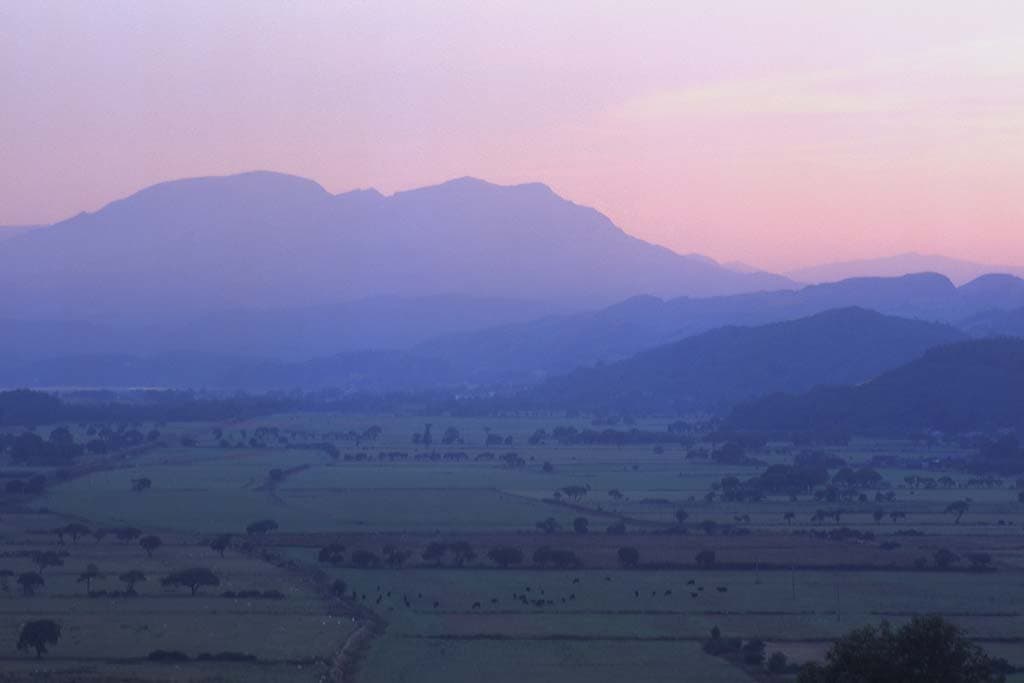

Snowdonia National Park extends well beyond the main Snowdon range, encompassing other, smaller ranges including the Moelwynion (Moelwyns) around Blaenau Ffestiniog and the Rhinogydd (Rhinogs) on the Cardigan Bay coast, between Harlech and Barmouth.
For more information on this stunning National Park, check out my guide to the best things to do in Snowdonia and my Snowdonia Road Trip article.
Conwy Castle


Conwy Castle is one of the most beautiful castles in Europe, a massive eight-towered fortress guarding the Conwy river estuary that manages to be both intimidating and enchanting at the same time.
It’s one of four of Edward I’s castles in North Wales that make up Wales’ first UNESCO World Heritage Site, inscribed in 1986. It was built by James of St George, the greatest military architect of the late 13th century, commissioned by English King Edward I to keep the restive Kingdom of Gwynedd in check. It was begun in 1283 – just months after the death of the last free Welsh Prince, Llywelyn ap Gruffydd – and took four years to complete.
The Castle is stupendous, and the circuit of Town Walls similarly impressive. The section on the western edge of the town is the highest and gives the best views. The Walls also continue close to Conwy Quay, a lovely place to sit outside with a pint or glass of wine on a summer’s evening with a superb view of the Castle.


Conwy is also home to Plas Mawr, the best-preserved late Elizabethan (around 1580) townhouse in Britain. You’ll also find two other very different historic houses in Conwy. Aberconwy House is a rare half-timbered 14th-century English merchant’s house on the corner of Castle and King Streets. Two minutes away on the Quay, the Smallest House in Great Britain is a minuscule 16th-century dwelling that was last lived in by a 6’3” (1.90 metre) fisherman. It was vertical capsule living, 19th-century style, and the local council eventually declared it unfit for human habitation. It has served as a (very small) tourist attraction for many years.
See Also: 11 Best Things To Do In Conwy
Visit Llandudno


Llandudno – the Queen of Welsh Seaside Resorts – is a half-hour drive along the A55 North Wales Expressway from Bangor, and anything between 40 minutes and 1 hour 25 minutes away by train and / or bus.
There are enough things to do in Llandudno to spend a few days there. The town grew in the 19th century, and there’s some wonderful Victorian architecture around the town, from the many fine hotels along the seafront promenade to the intricate wrought-ironwork of Llandudno Pier.
There are also two great beaches. North Shore is the busier and more popular of the two, while the more suburban West Shore is long, sandier and considerably quieter. It also has great views – of the Great Orme, and across Conwy Bay to the mountains and Anglesey.
The Great Orme headland is where you’ll find many of Llandudno’s attractions. The Llandudno cable car (cash only) and Great Orme Tramway both run from the town to the top, and the Marine Drive is a gorgeous 5-mile road circuit of the peninsula, which you can also walk. There’s also a 4,000-year-old Bronze Age Copper Mine near the summit, and a herd of wild goats that made worldwide headlines during the COVID-19 epidemic when they roamed the streets of the town below, in the absence of people.
Getting there: the number 5 bus is the easiest option, as you don’t need to change at Llandudno Junction as you do with the train. You may find that the connection for Llandudno from Llandudno Junction works for you, in which case you may well save a bit of time going by train.
Anglesey
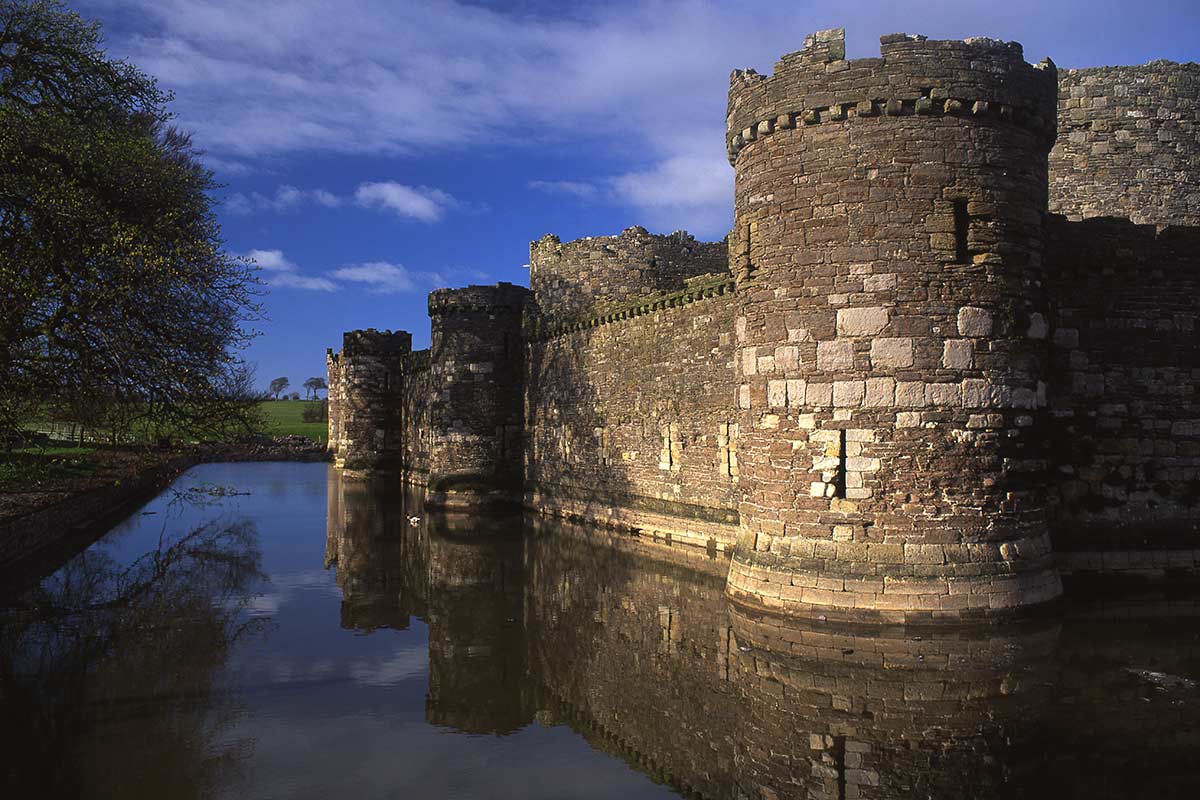
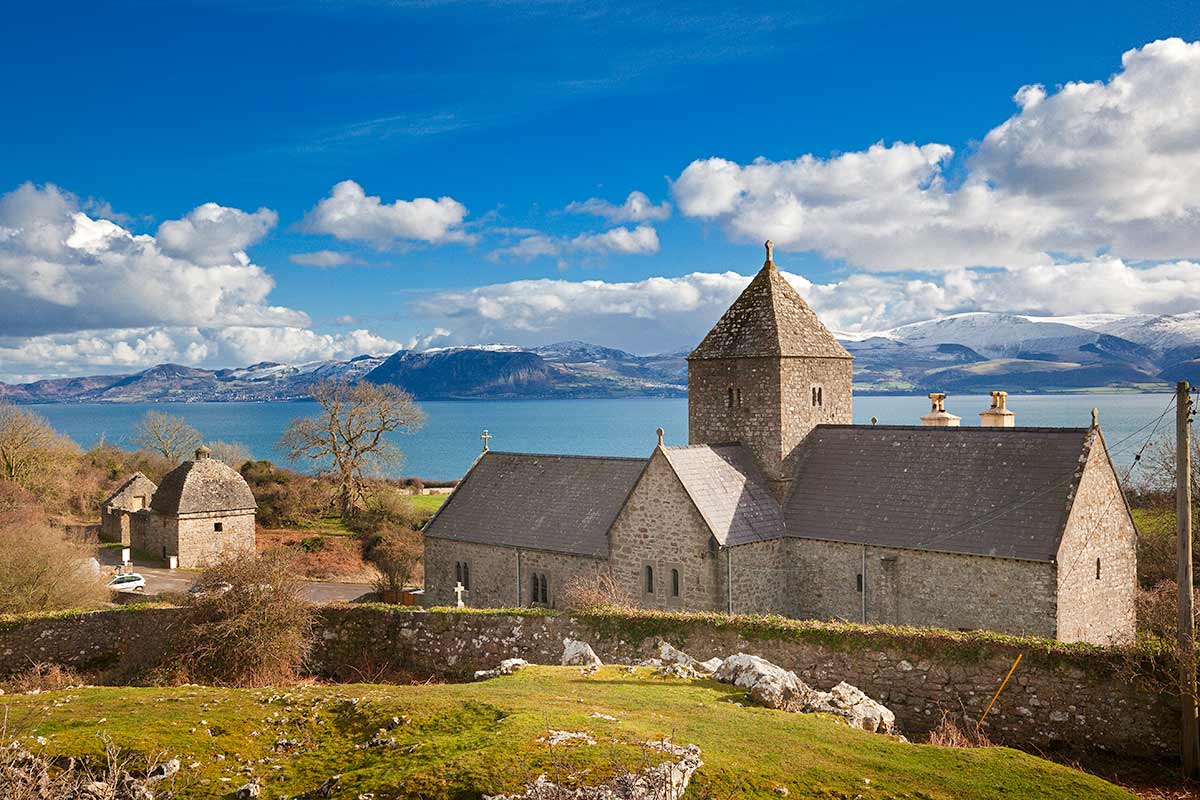
There are enough things to do on Anglesey – Wales’ largest island, just across the Menai Strait from the suburbs of Bangor – to warrant years of holidays there. And the beauty of Bangor in relation to it is that you can access a lot of it from there via a few bus and train routes.
Frequent trains run direct to Holyhead (Wales’ main port for ferries to and from Ireland) from Bangor, stopping at the likes of Llanfair PG on the way. From Holyhead there are buses around Holy Island to iconic South Stack lighthouse and the spread-out seaside village of Rhoscolyn, a few miles to the south.

The 57 bus runs regularly from Bangor to Beaumaris and Penmon, and the 62 also covers the eastern coast of Anglesey, stopping at Benllech, Moelfre, Amlwch and Cemaes.
The buses don’t cover some areas – such as Newborough and Llanddwyn Island – as well, but at least you have plenty of options to explore Anglesey without having to get behind the wheel yourself.
Caernarfon Castle


Caernarfon Castle is one of the easiest day trips from Bangor, half an hour away on the 5C bus service which runs from Bangor bus station via Bangor train station.
It’s one of the greatest medieval castles in the world, a mighty, forbidding sight even now, 730 years after it was built.
The Castle is built at the estuary of the Seiont River, where it flows into the southern end of the Menai Strait. It was built to guard the entrance to this important waterway, while Beaumaris Castle was added later to protect its northern end.
Caernarfon is one of the best-known places to visit in Wales, and this is partly because it was the scene of the then Prince Charles’ investiture as Prince of Wales in 1969. He is now, of course, King Charles III.
As well as the formidable Castle, designed by James of St George, Caernarfon was also protected by a circuit of medieval town walls, where many of the town’s oldest buildings (including the 15th-century Black Boy Inn, serving the best food in the town) survive.
There are other things to do in Caernarfon, including a short trip to Segontium, a northerly Roman outpost from the 3rdcentury AD. Caernarfon is also the northern terminus of the Welsh Highland Railway, a wonderful narrow-gauge railway that runs along the western flank of Yr Wyddfa (Snowdon) to Porthmadog, where you can link up with the Ffestiniog Railway to Blaenau Ffestiniog.
Explore The Llŷn Peninsula

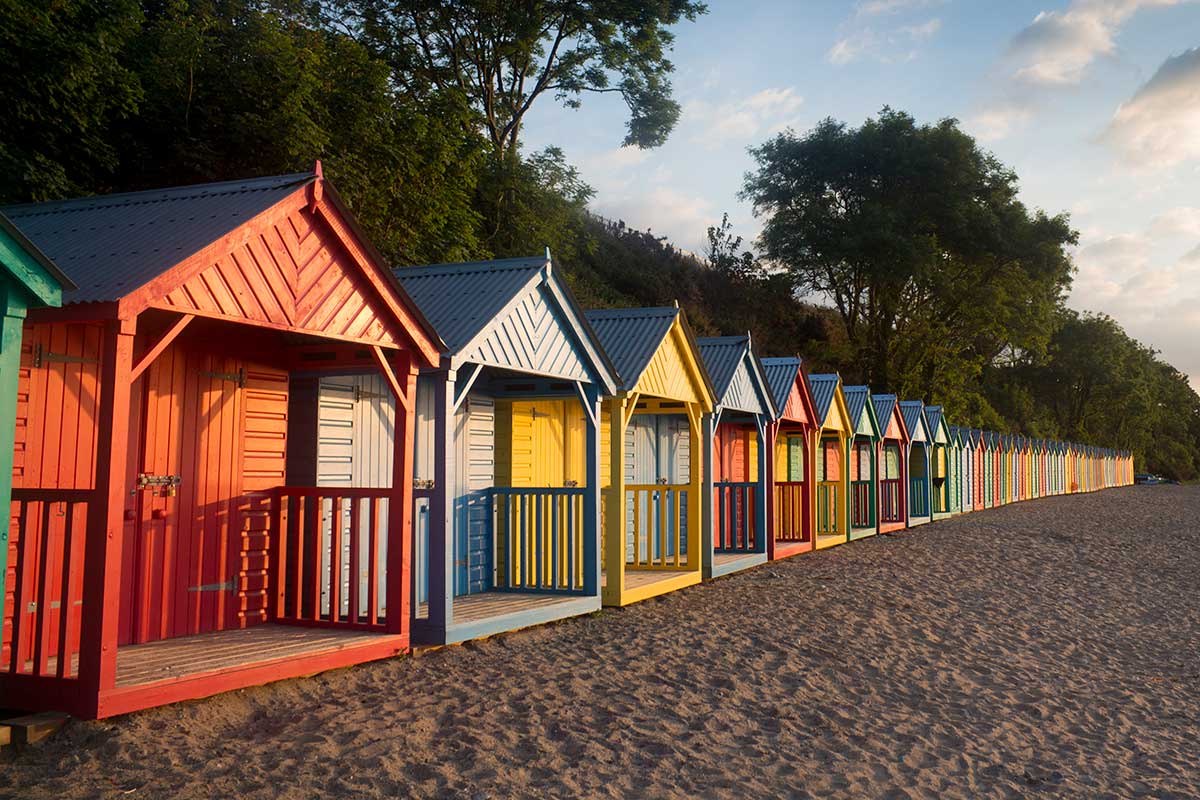

Caernarfon is the northern gateway to the Llŷn Peninsula, the long finger of sublime countryside and coast extending southwest into the Irish Sea.
It’s one of the main Welsh-speaking heartlands, with some astonishing beaches (Dinas Dinlle and Porth Oer on the north coast, Llanbedrog on the south), one of the best beach pubs in the world at Porthdinllaen, a lovely seaside town with a Castle (Criccieth) and ancient pilgrimage routes to Bardsey Island, the mystical ‘Isle of 20,000 Saints’.
Beyond Caernarfon, my advice is to drive. You can reach a few places by bus, but services are scant compared with other parts of North Wales, with frequent two-hour intervals between buses, and three hours between trains on the south coast. It takes a long time to travel short distances, and somewhere closer than Bangor like Criccieth would give you a few more options.
Things To Do In Bangor Wales – Final Thoughts

I hope that you have enjoyed reading this article and find it useful for planning a trip to North Wales. Bangor has a few wonderful corners to explore, and is one of the best bases for exploring the whole region, particularly if you are travelling by public transport.
For further inspiration, take a look at some of my other articles on North Wales:
Castles In North Wales
- Best things to do in Conwy – A stunning UNESCO Heritage town on the edge of Snowdonia National Park
- Best Things To Do In Caernarfon – one of the most imposing medieval castles in the world, and a great base for exploring Snowdonia and the North Wales coast
- Things To Do In Beaumaris – Anglesey’s World Heritage Castle and one of the loveliest towns in Wales
- 22 Best Things To Do In Harlech – World Heritage Castle, a world-class beach and a superb base for exploring southern Snowdonia and beyond
- 12 Best Things To Do In Criccieth – step back to yesteryear in this gorgeous seaside town on the Llŷn Peninsula
Magical Anglesey – the Biggest Island in Wales
- Llanddwyn Island – One of the most special of all Welsh islands
- Anglesey beaches & coastline – Home to some of the best beaches in the UK
- Best Shore Excursions From Holyhead Wales – day tour and trip ideas for cruise passengers docking at Holyhead
- Things To Do In Holyhead – complete guide to Anglesey’s port town and the beautiful surrounding area
- 13 Best Churches on Anglesey To Visit
- Best walks on Anglesey – Eight of the best Anglesey walks to help you discover more of this magnificent island.
- Lighthouses on Anglesey – Well worth seeing & great places for walks
- Best things to do on Anglesey – the largest of Welsh Islands
- Things To Do In Amlwch – home to the ‘lunar’ landscape of Parys Mountain and some of the finest coastal scenery and walks in Wales
Best Places in North Wales
- Best beaches in North Wales
- Best castles in North Wales
- Llŷn Peninsula beaches – The Llŷn Peninsula beaches are among the best in Wales
- Things To Do On The Llŷn Peninsula – the magical corner of Wales to the west of Snowdonia
- Best Things To Do in Llandudno – the Queen of Welsh aeaside resorts
- Betws-y-Coed – A picturesque Welsh mountain town in the spectacular Snowdonia National Park
- Portmeirion – A gorgeous Italianate village on an estuary on the North Wales coast
- Barmouth Beach – A wonderful Welsh seaside resort
- Welsh Slate Landscape – UNESCO World Heritage Site North West Wales
More Beautiful Places to Visit in Wales
- Landscapes in Wales – Breathtaking landscapes in Wales you must see
- Rivers in Wales – Some of the most beautiful scenery in Wales
- Lakes in Wales – Where you find some of the best views in Wales
- Landmarks in Wales – famous places in Wales to Explore