

Best Places To Visit in Normandy
One of the most famous landmarks in Europe, gorgeous medieval towns and villages, the birthplaces and inspiration for Impressionist art – these are a few of the best places to visit in Normandy.
Then there are the D-Day beaches where the Allies invaded Nazi-occupied France in 1944, medieval castles and churches, the casinos and beaches of the Cote Fleurie and some of the best coastal hikes in France.
In this guide I show you my pick of the best twenty places to see in Normandy, describing each in detail and covering the practicalities of visiting them, either by yourself or on tour, and places to stay along the way.
I hope that you find it helpful.
At A Glance – Top 5 Places To Visit In Normandy

Rouen
Le Mont-Saint-Michel
D-Day Beaches
Monet’s House and Garden, Giverny
Étretat
Upper Normandy
1. Rouen

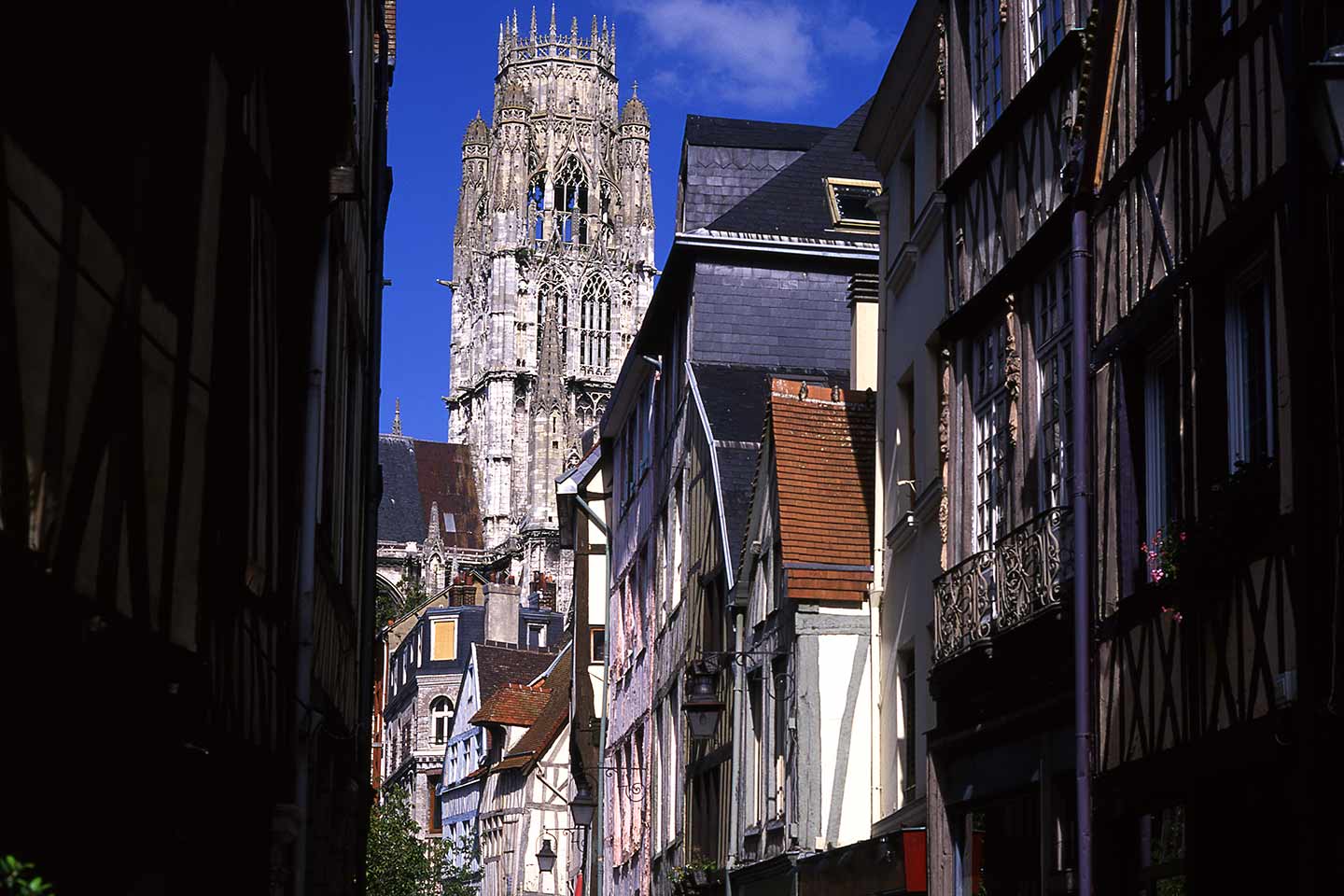
Rouen is the ancient capital of Normandy, the great medieval city on the Seine halfway between Paris and the English Channel. It’s best-known for its association with French heroine Joan of Arc – it’s where she was put to death in 1431 – but it’s worth going well out of your way to see one of the most beautiful medieval cities in France for yourself.

Joan of Arc was burned at the stake by her English captors in the Place du Vieux Marché, the old market square, many of whose medieval houses wouldn’t look very different today from that day in 1431. The modern church dedicated to her was completed in 1979, though the medieval stained-glass windows are originally from the nearby Church of Saint-Vincent, lost to Allied bombs in 1944.

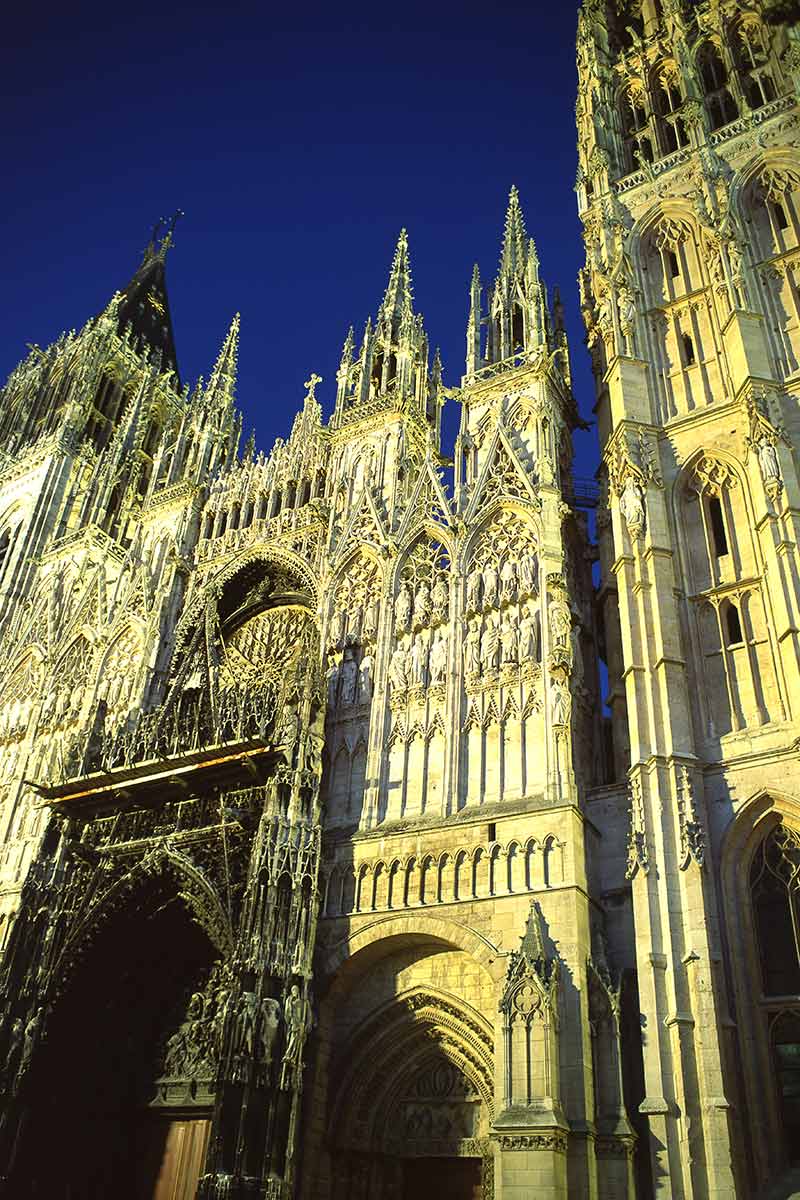
The most popular sight in Rouen is the Cathedral of Notre Dame de Rouen, one of the great Gothic cathedrals of France. The west front is an overload of stonework and the senses, two vast Gothic towers from different periods flanking an intricately carved portal and rose window. Claude Monet – a name we’ll encounter several more times during the course of this article – completed over 30 paintings of the central part of the west front in different lighting conditions, one of four similar major studies of a subject that he completed during his lifetime.
The Cathedral’s spire – which was partly damaged in a 2025 fire, is 495 feet high, and for four years was the tallest building in the world.

The Old Town has some of the finest half-timbered houses and streets in France, and two more magnificent Gothic churches, Saint-Ouen and Saint-Maclou. The Aitre-Saint-Maclou, near the latter church, is a fascinating sight, a rare surviving charnel house where thousands of skeletons and bones of local dead were stored.
Getting there: Rouen is a little over an hour from Paris by train, services departing Gare Saint-Lazare and arriving at Rouen Rive Droite.
Where To Stay: Mercure Rouen Centre Cathedrale – superb option a two-minute walk from the Cathedral
2. Giverny and Monet’s Garden
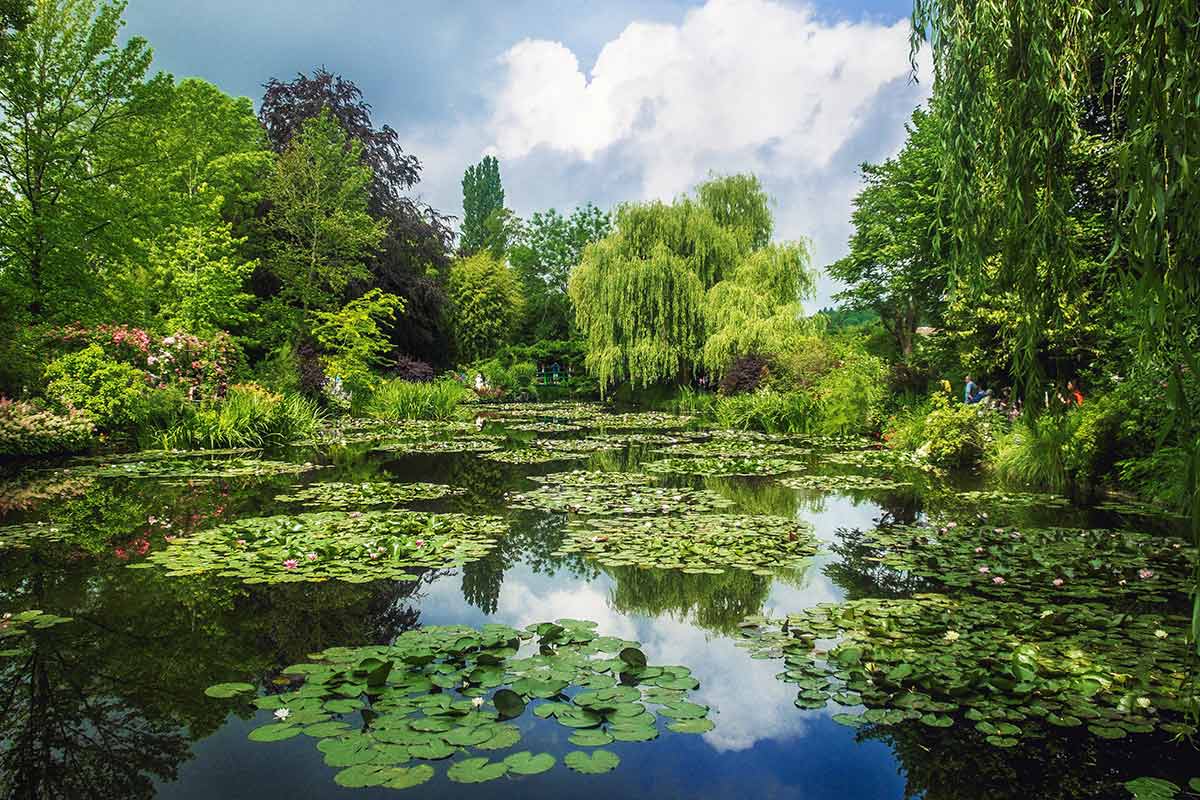
Monet’s House and Garden in Giverny, in the southeastern corner of Normandy, is one of the most popular day trips from Paris. The leading Impressionist painter – long a favourite of my wife Faye and I – lived in the house from 1883 until his death in 1826, and created the Gardens around it which were the subject of some of this most renowned works, including the Water Lilies series.
The house is fascinating, full of late 19th and early 20th-century details, and is decorated with reproductions of the same paintings that Monet hung around the walls.
Step outside and you move from his living space to walking through some of his paintings. The Japanese-style Water Garden is the best-known, as it’s here that he spent countless hours on his Water Lilies series. When visiting nearby Paris, don’t miss his cycle of paintings in the Musée de l’Orangerie, at the western end of the Tuileries Garden.
The House and Garden are open between 1st April and 1st November each year. If travelling independently from Paris, take the train from Gare Saint-Lazare to Vernon-Giverny, then the regular Giverny Shuttle bus (€5 single, €10 return) from there.
Otherwise, this half-day Giverny tour from Paris takes you there and back, with tickets and a self-guided tour of the house and gardens included.
3. Le Bec-Hellouin
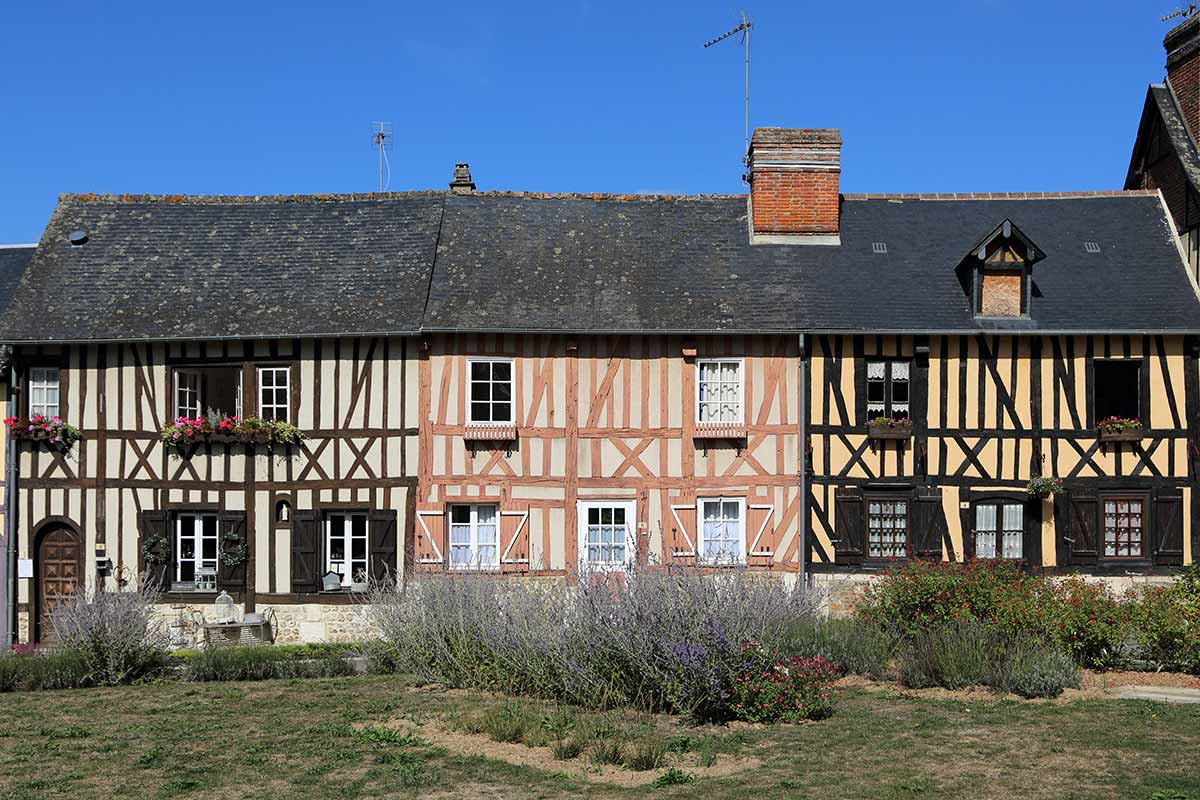
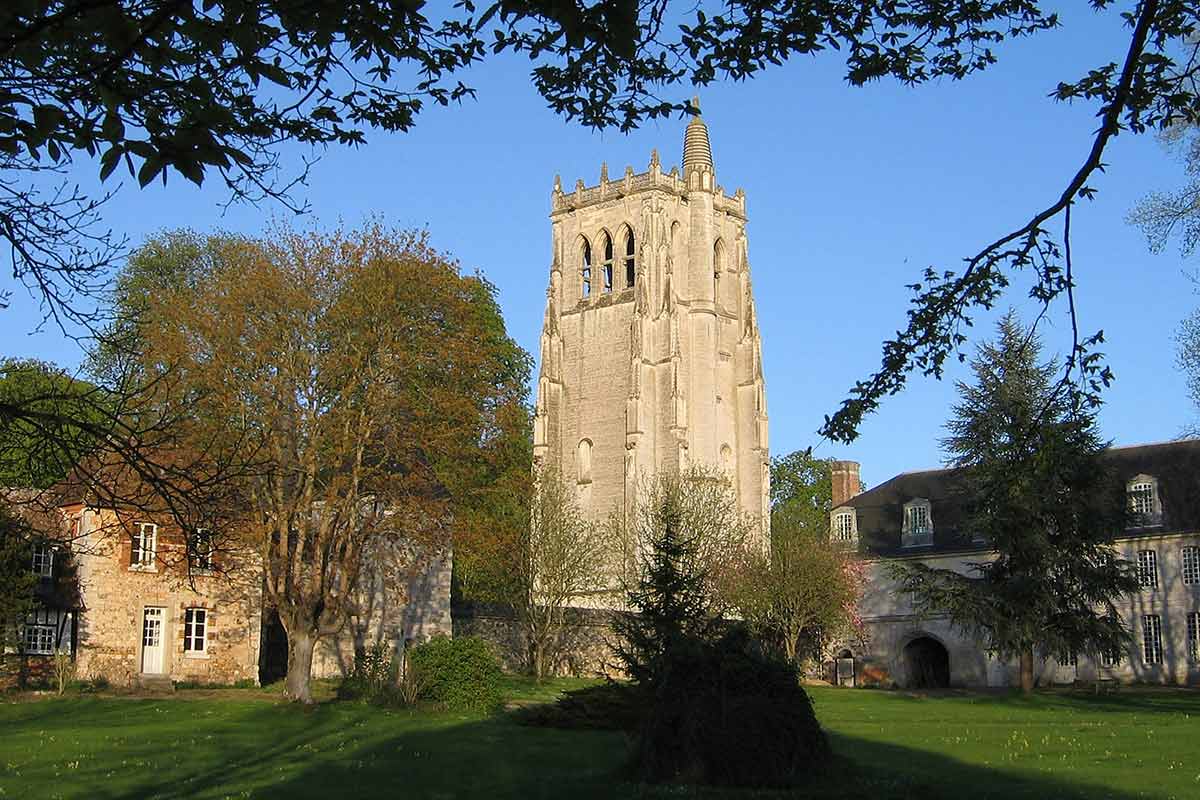
Le Bec-Hellouin, in the peaceful Bec valley southwest of Rouen, is one of the most beautiful villages in Normandy and a member of the ‘Les Plus Beaux Villages de France’ group.
It’s my favourite village in Normandy, a few streets packed with medieval half-timbered houses clustered around what’s left of the Abbey of Bec-Hellouin.
The Abbey was a major intellectual centre after its 11th-century foundation, and one of its early abbots, Lanfranc, went on to become Archbishop of Canterbury. The original church and buildings were destroyed by fire, and its successors were also seriously damaged, but the handsome Tour Saint-Nicolas was rebuilt in the 18th century.
It doesn’t take long to visit, but it’s well worth going out of your way to see Le Bec-Hellouin. It’s a 30-40 minute drive from Rouen, from which you can also reach Le Bec by train and bus – this takes around two hours each way, with a change in nearby Brionne.
4. Étretat


Étretat is the most popular stop on the Côte d’Albâtre, the coastline of the Pays de Caux in Upper Normandy. Its name means the Alabaster Coast, and it’s one of the most beautiful coastlines in Europe, lined with sheer chalk cliffs with breaks for beaches next to the towns and villages along the way.
Étretat, like numerous other locations in Normandy, was a great inspiration for Impressionist-era artists, including Monet, who made a series of around 50 paintings over a period of three years. It seems hard to imagine now, when a single painting of his would fetch tens of millions of euros, that he produced so many paintings there to support his partner (and future second wife Alice) and their eight children.
Before Monet, Eugène Delacroix, Gustave Courbet and Monet’s mentor Eugene Boudin also painted the beach and coast at Étretat.
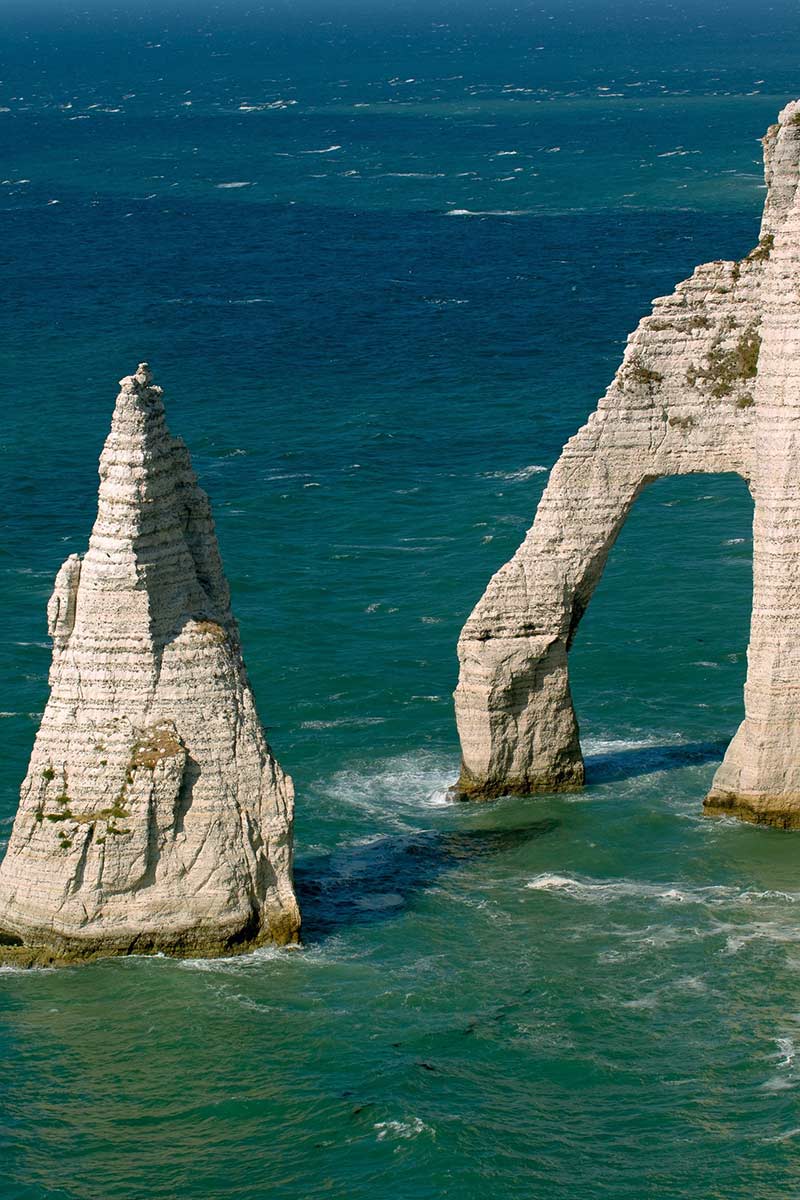
This section of coastline is so well-known because of its unusual features, including the Falaise d’Aval, a tall sea arch that looks like a white elephant’s trunk being dipped in the water, and the neighbouring Aiguille sea stack. Another distinctive rock formation, the Porte d’Amont, where a small arch has formed at the base of an outcrop of rock.
For me, the best thing to do in Étretat is the coastal walking. The GR21 runs the length of the Côte d’Albâtre, and the walk along the path to Fécamp is the one of the best coastal hikes I’ve ever done.
Day Tours to Étretat
This Étretat and Honfleur tour from Paris makes a great introduction to Normandy and its sublime coast.
And if your cruise is docking at nearby Le Havre, this return shuttle trip to Etretat gives you time to enjoy the town, beach and a clifftop walk.
Where To Stay In Étretat
Villa Eliane – guest house in a beautiful villa less than 1 km from the beach and cliffs
5. Le Havre


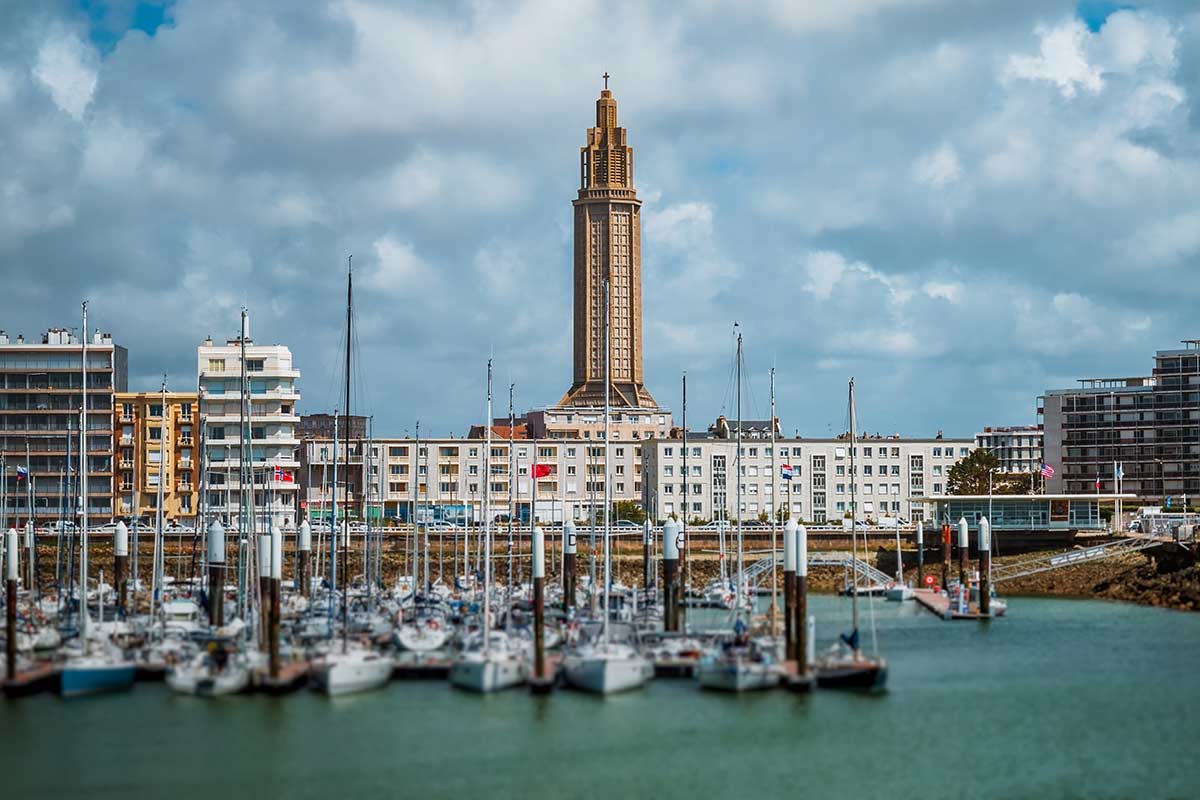
The port of Le Havre – the second largest in France – is the birthplace of Impressionism, a UNESCO World Heritage site thanks to its modernist architecture, and one of the main cruise ports in France. It’s also the first place I ever visited abroad, on my life-changing three-day trip to Paris and Rouen from Wales in October 1982. It has always been somewhere I’ve passed through, though it very much deserves to be a destination in its own right.
Much of Le Havre was destroyed by Allied bombing in 1944, and was rebuilt to plans by Belgian modernist architect Auguste Perret, who also designed the striking Church of Saint-Joseph. Its tower is one of the city’s main. Landmarks, along with Le Volcan, an arts and cultural centre close to the port, which was designed by Brazilian Oscar Niemeyer.
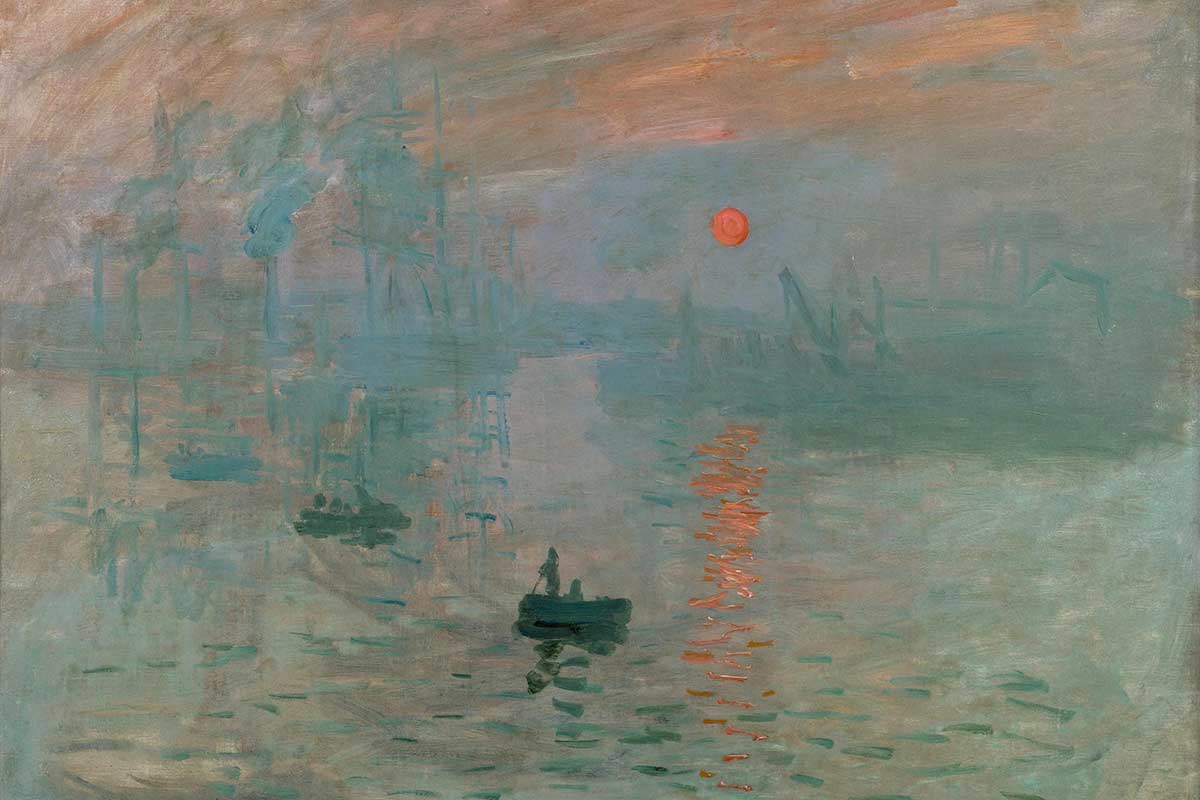
The superb natural light of the Seine estuary attracted many painters in the 19th century, and the city was Claude Monet’s childhood home. His 1872 painting Impression, Sunrise was credited with giving the Impressionist genre (for want of a better word) its name. JMW Turner, Corot, Boudin, Courbet and many other major figures were also drawn to the port city in the 19th century.
The Musée National André Malraux (MuMa)in the city centre is a must-see for lovers of Impressionist art. After the Musee d’Orsay in Paris, it has the second most extensive collection in France, and therefore one of the largest in the world, from this period.
If you’re exploring Normandy without a car, Le Havre makes a good base for day trips to the likes of Rouen, Honfleur, Caen and Étretat, with train or bus connections to each. There are also many possible shore excursions from Le Havre if your cruise ship is scheduled to dock there.
Where to Stay – Mercure Le Havre Centre Bassin de Commerce – great location right in the middle of the city, also close to the port
6. Les Andelys and Chateau Gaillard
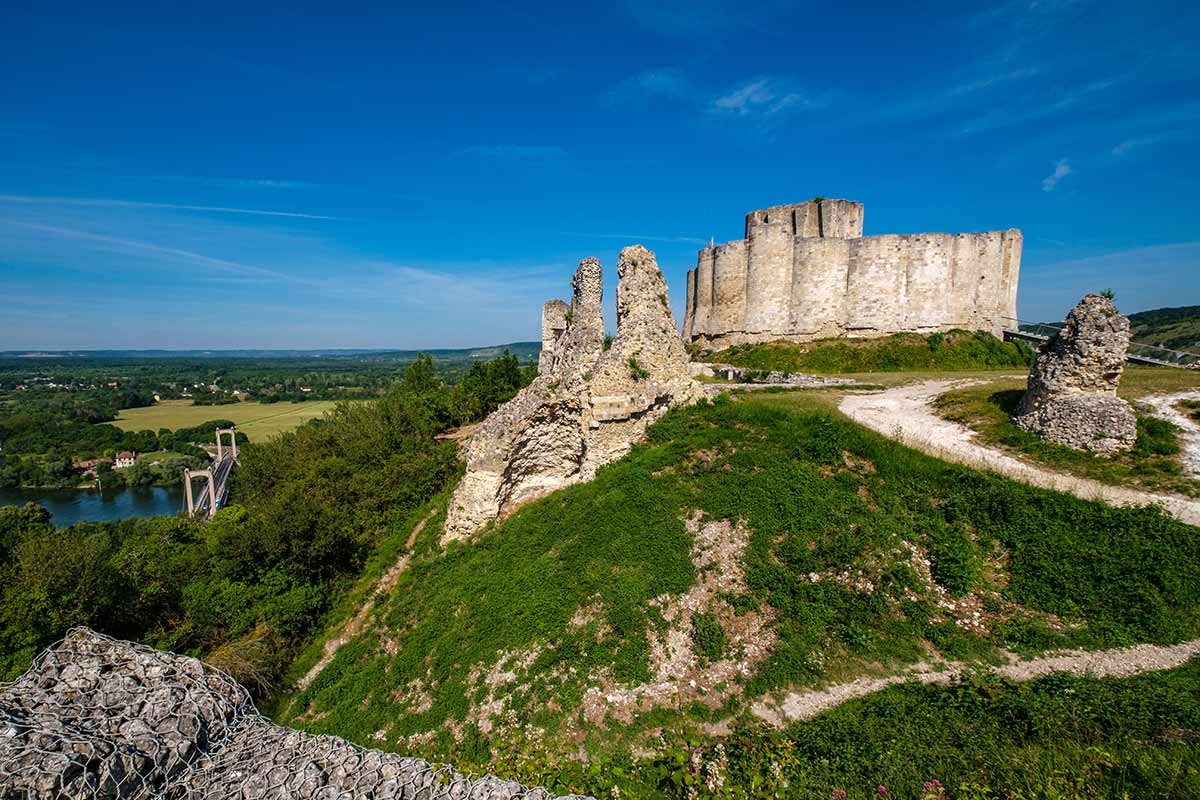
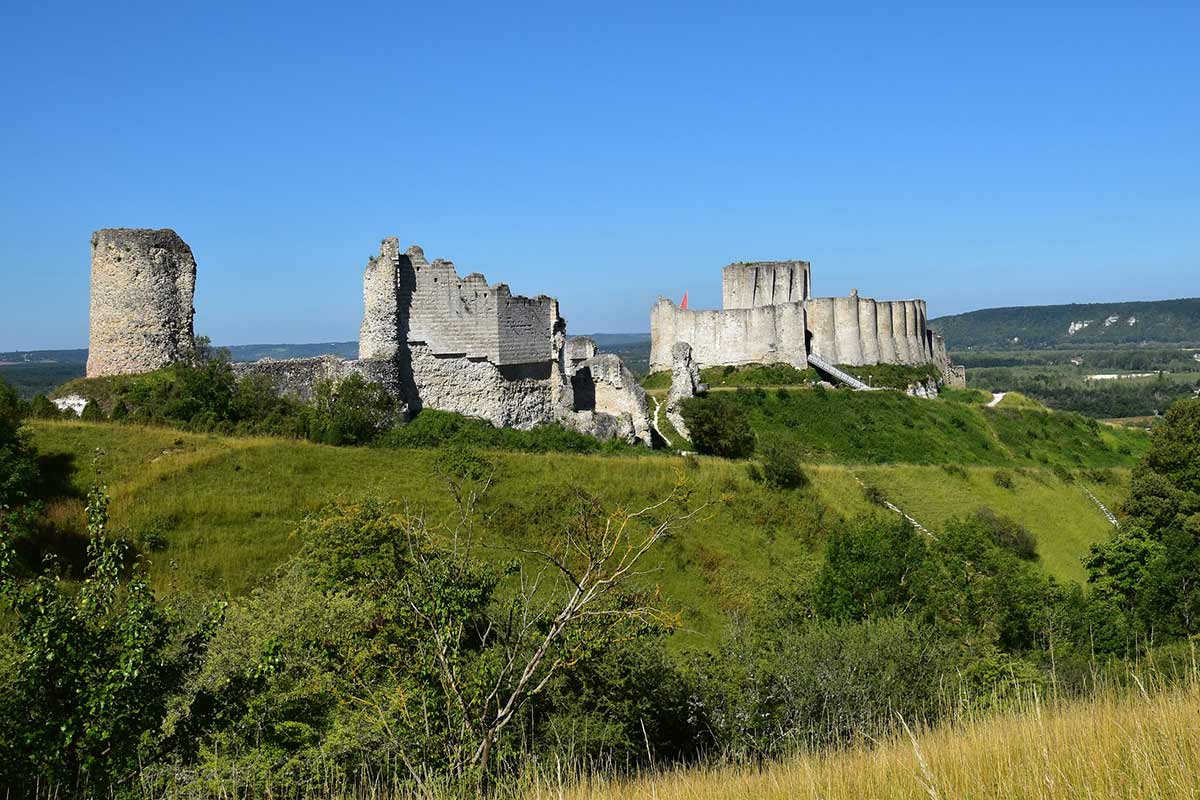
Chateau Gaillard is one of the most famous castles in Normandy, a 12th-century behemoth built on the orders of Richard the Lionheart, King Richard I of England.
It’s one of the most technically advanced castles of its time (late 12th century) and one of the first where concentric principles (essentially a castle within a castle, with outer walls) were put into practice.
Its strategic position was important as it stood on a hill above the River Seine, the main transport route through the region. Normandy was under English (i.e. Richard’s) control at the time and he wanted to secure his territory from the threat of French King Philippe II. It also became a favourite residence of Richard’s, though he died within a year of its completion, from an arrow wound sustained fighting elsewhere in France.
Richard was right to be wary of Philippe, who captured the Castle in March 1204 after a brutal six-month siege in which many of the population of Grand Andely, the first of two villages, died of exposure over the winter months.
Despite its prominence Chateau Gaillard is still rather off the beaten track. This is largely because public transport links are not good. You can travel there from Rouen by bus four times a day, with a change each time, taking between 1 hour 40 and 2 hours 40 minutes.
Both villages below the chateau are lovely, with numerous traditional Norman timber-framed houses and a superb Gothic church in Grand Andely to visit.
Where To Stay – Le Petit Nicolas – great two-bedroom ground-floor apartment with garden in the centre of Les Andelys
7. Veules-les-Roses
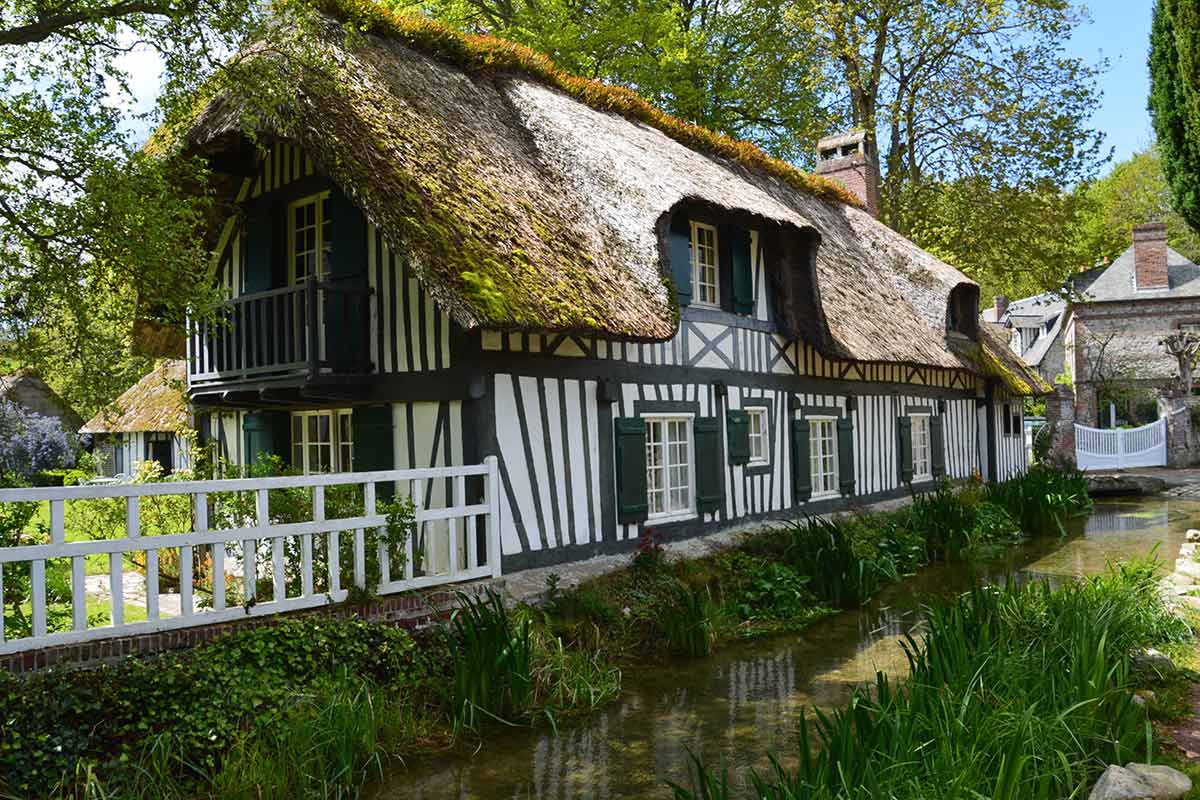
There’s plenty of competition, but Veules-les-Roses is one of the prettiest villages in Normandy. It’s on the Côte d’Albâtre, around ten miles southwest of the port of Dieppe, with a few half-timbered houses built either side of a stream (officially a river!).
Unsurprisingly it has attracted artists since the 19th century, including Victor Hugo. As well as the timber-framed houses, there’s a great pebble beach with tall white cliffs either side. At low tide a wide swathe of sand is revealed, so if you have kids with you it’s a great place to have a paddle in the sea.
Where To Stay – Hotel Douce France – characterful historic coaching inn where Victor Hugo stayed several times, and where the individual rooms are named after artists
Lower Normandy
8. D-Day Beaches
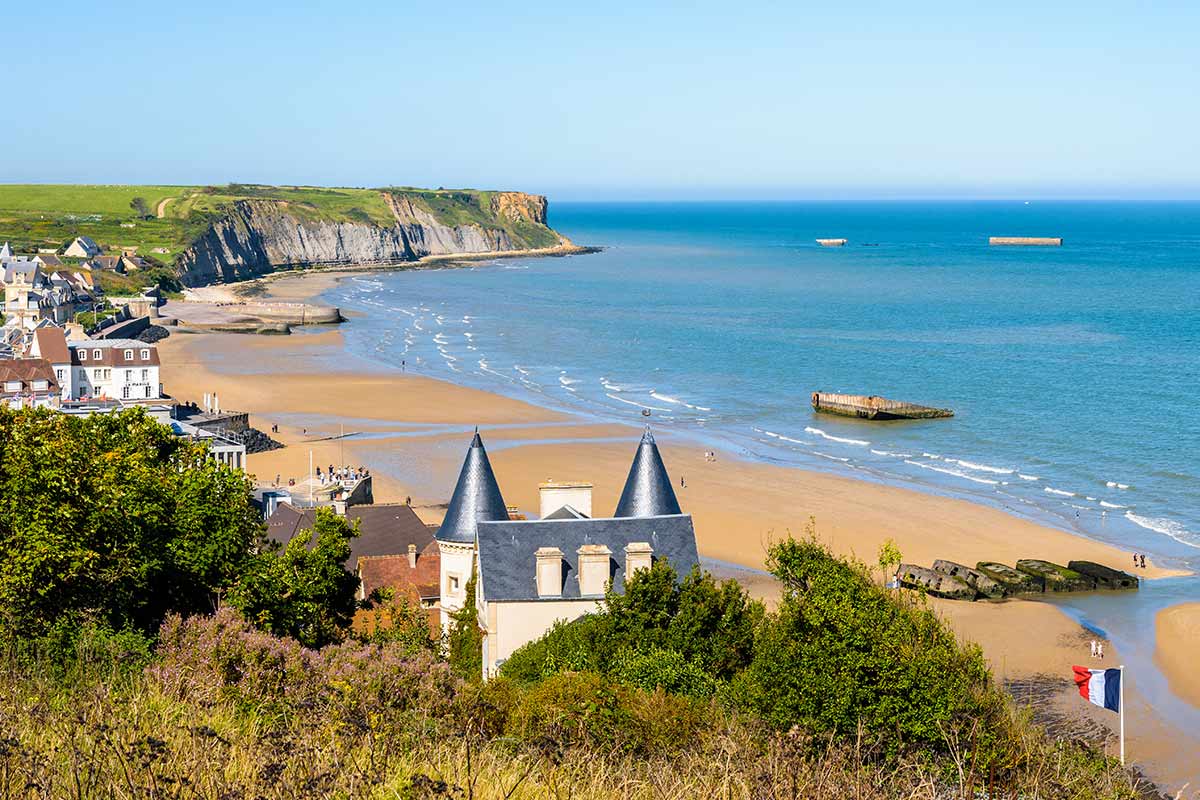
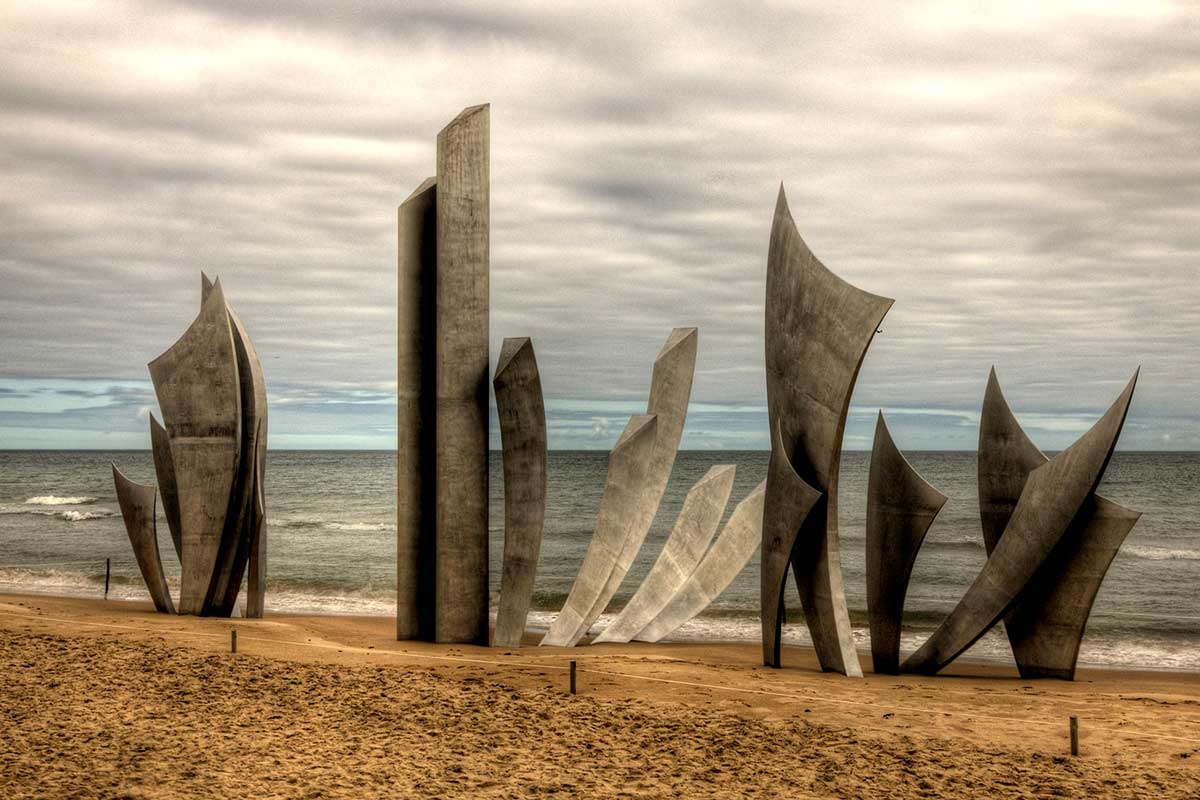
The D-Day Beaches, where Allied troops pulled off the biggest maritime invasion in history, are one of the biggest draws for visitors to Normandy. They are located on the Côte de Nacre (Mother-of-Pearl Coast) west of the estuary of the river Orne and north of the cities of Caen and Bayeux. The landing sites stretch around 50 miles (80 km) from Quinéville in the west to Ouistreham in the east.
I’ve spent the best part of two weeks – over three visits – exploring the D-Day Beaches, and still haven’t covered all the places I’d like to. Many American visitors tend to head for Utah and Omaha beaches to the west, while Canadian visitors head for Juno Beach, located between the two British and French sites at Gold Beach and Sword Beach, on the eastern part of the coastline.
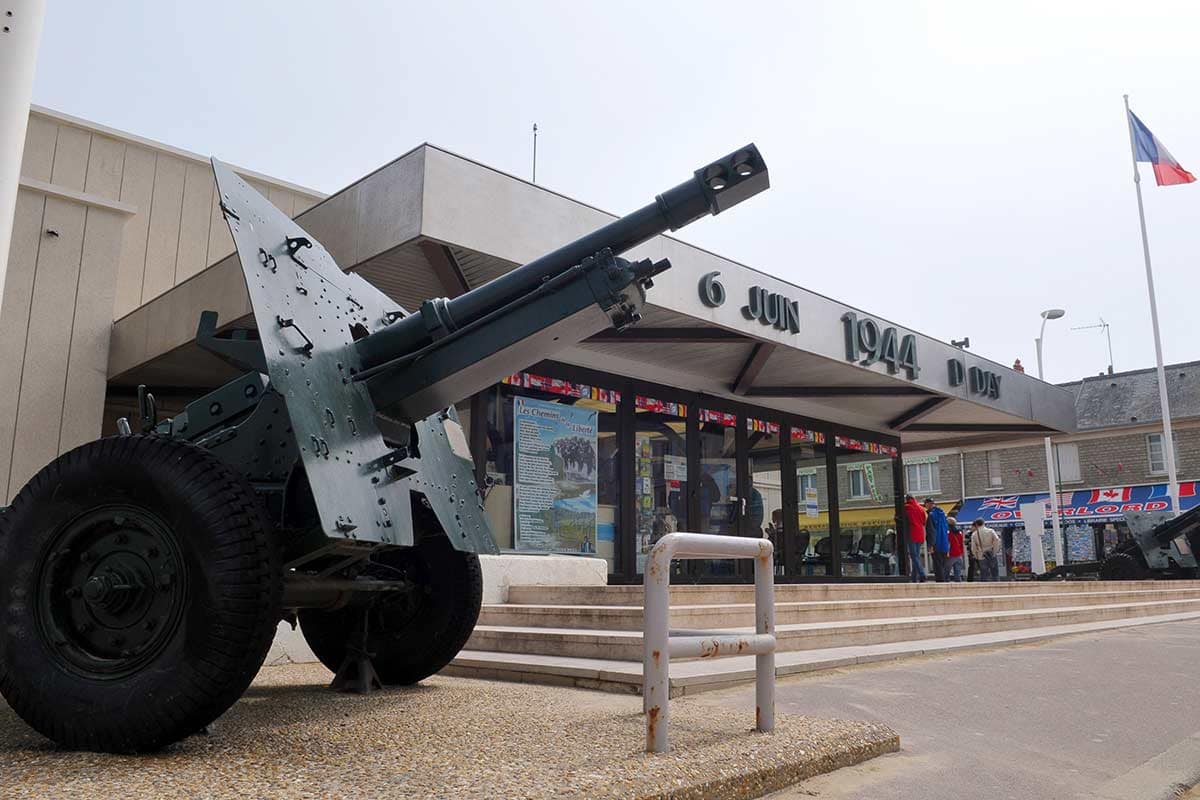
There are many sights, memorials, cemeteries, landmarks to see around the D-Day Beaches, and if you’re exploring them independently. The Nomad bus service is a great improvement on the previous services in the area, with a circular service from Caen covering the British and Canadian landing beaches. Two other services also cover the American landing sites, from Bayeux or Carentan (close to the famous church tower and paratrooper statue at Sainte-Mère-Église. It runs from mid-May to the end of September.
D-Day beaches tours tend to be split between either the American landing sites, the British beaches or Canadian landings at Juno Beach. There is also the option of a D-Day beaches day tour from Paris, which covers Omaha and Juno Beaches and Arromanches.
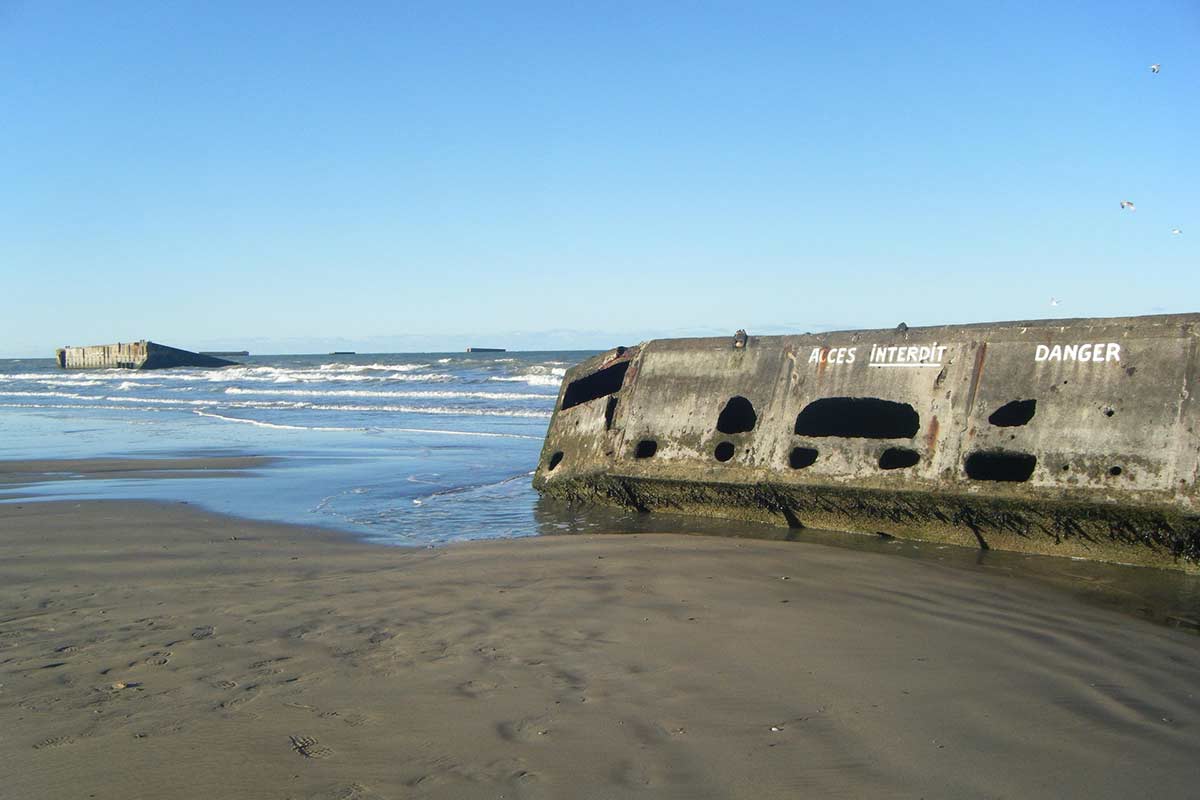
For somewhere to stay, I recommend the village where I stayed twice on school trips – Arromanches-les-Bains, where there are extensive remains of the prefabricated Mulberry Harbour. Hotel de la Marine is right on the seafront, with views of the beach and the Mulberry Harbour.
9. Honfleur
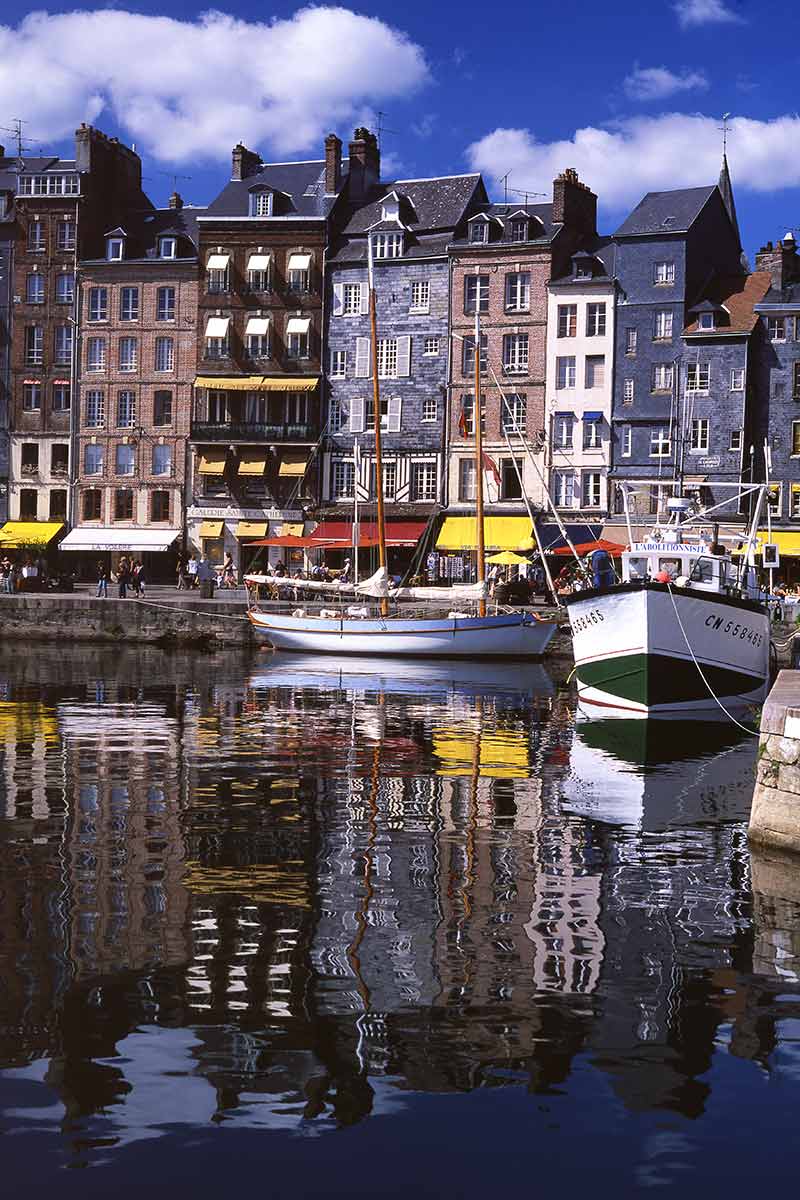
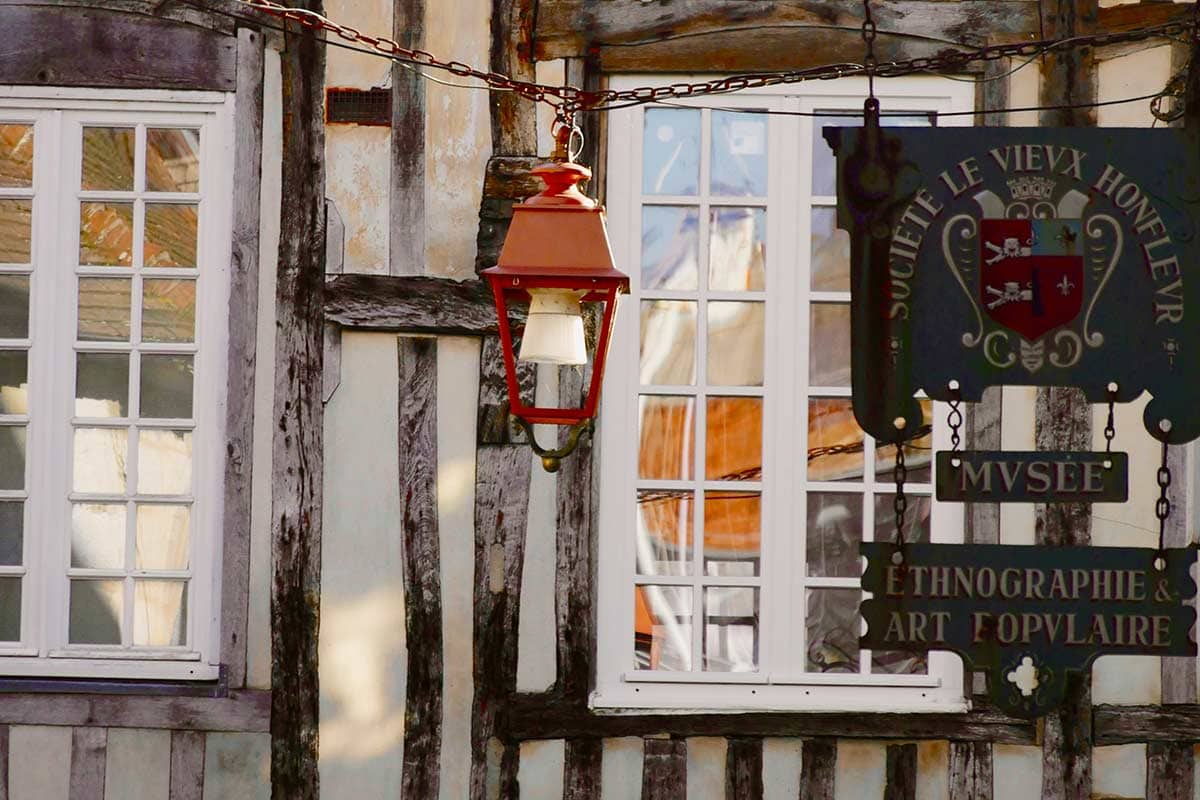
Most visitors to this exquisite historic port only come on a day trip, but there are enough things to do in Honfleur and the surrounding area to warrant staying there, with Rouen, Le Havre, the beaches of the Cote Fleurie and the Pays d’Auge all within easy reach.
Honfleur – along with Harfleur, now a suburb of Le Havre – was the major port of the Seine estuary in the Middle Ages, but gradual silting meant that the area’s main port was relocated to the new city of Le Havre, on the river’s right bank. Its marina still has many pleasure boats, but the industrial traffic has long gone.

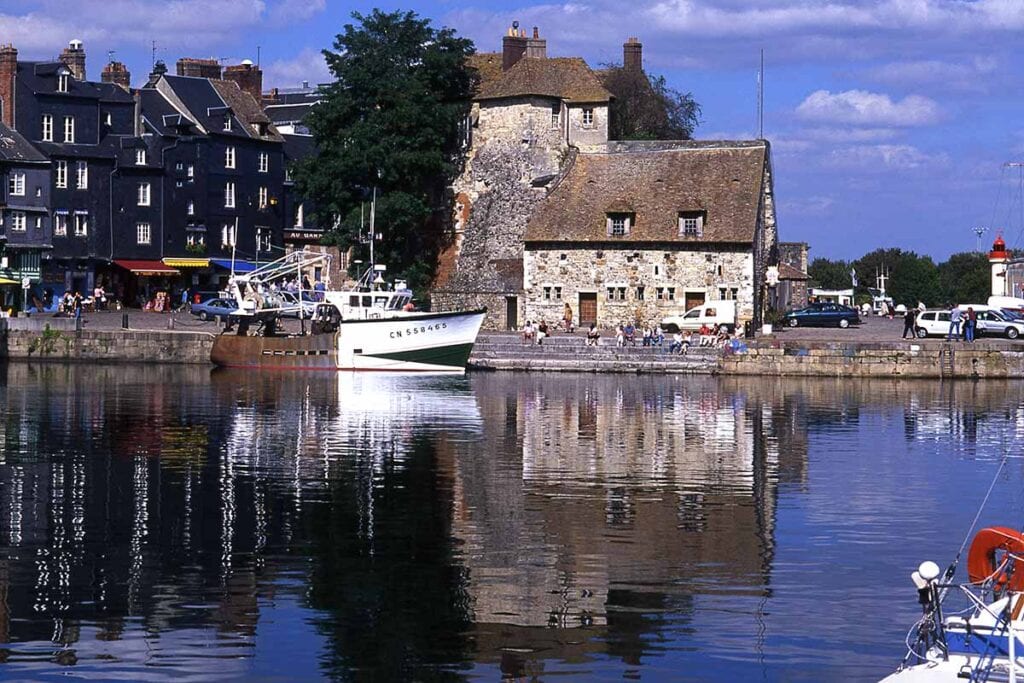
Honfleur was a major inspiration for the Impressionists in the 19th century, but it had been discovered decades earlier by English painter JMW Turner. One of the artists whose work prefigured Impressionism – indeed who was something of a mentor to Claude Monet, Eugène Boudin – lived in the town, and the Museum dedicated to him has a great collection of his work and that of some of his contemporaries.
The main sight that everyone heads for in Honfleur is Quai Ste-Catherine, a wonderfully picturesque terrace of tall 17th-century townhouses stacked like sardines on the quayside of the Vieux Bassin (Old Port). If you visit Honfleur over the next two or three years you may see two of the houses propped up by buttresses. This is because the houses are even closer than they seem, with dividing walls knocked through in some cases. There is concern that they may collapse, but this seems to have been averted for the time being.
The old streets behind the port are a delight, full of timber-framed houses like you find across Normandy, and a few small museums are also hidden away. One of these is the Maisons de Satie, where composer Erik spent some of his early years. There are also beaches along the estuary shore, which were a huge inspiration for the Impressionists, and boat trips to the impressive Pont de Normandie, the nearby bridge linking Honfleur with Le Havre.
Tours: This 2CV tour from Honfleur takes you around the local beaches and countryside, with 2- and 4-hour options, in the iconic vintage French car.
Where To Stay: La Cour Sainte Catherine – a wonderful bolthole, in a former convent building dating from the 17thcentury and only two minutes’ walk from the Vieux Bassin
10. Caen
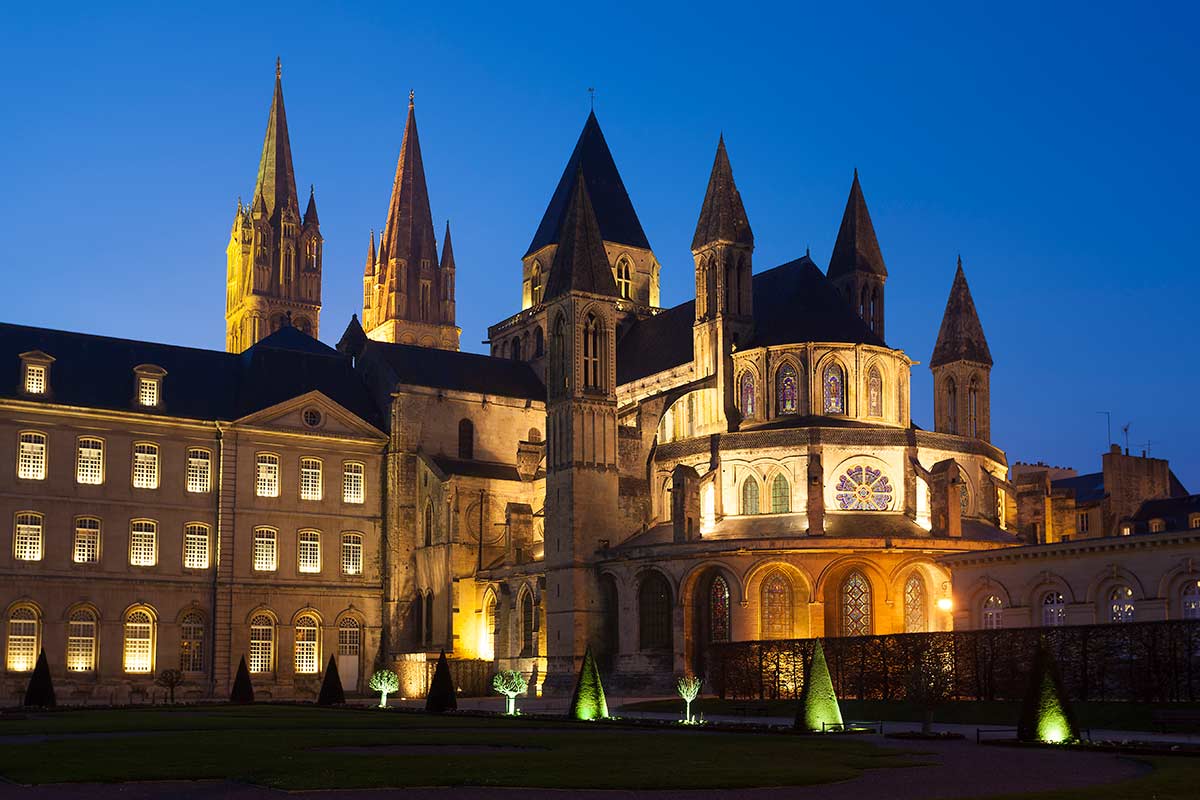
The second largest city in Normandy, Caen bore the brunt of Allied bombings around the time of the D-Day landings, and gets surprisingly overlooked by visitors heading for the beaches a few miles to the north.
Caen was the capital of Normandy at the time of William the Conqueror, and he chose to be interred in the church he founded, the Abbaye aux Hommes (“Abbey for Men’) in the heart of the old city. This superb Romanesque church was built in the late 11th century, and his wife Matilda of Flanders founded the Abbaye aux Dames (Abbey for Women) elsewhere in the city. William also began the Chateau de Caen, an imposing early medieval fortress, around 1060.
Although the Allies landed just 10 miles to the north, it took them a further 33 days to liberate Caen after D-Day. By this time much of the city had been destroyed by air raids. Le memorial de Caen documents this, and goes beyond what the numerous other war-related museums in the region do, providing context in terms of the whole 20th century, including the Cold War. A new exhibition is due to open in May 2027.
Like a few other places across Normandy, Caen is renowned for its food – indeed, a particular dish, tripes a la mode de Caen. It’s tripe – cow’s stomach – and trotters (feet). It’s not the most appealing dish I’ve ever seen – indeed I recoiled the first time I saw it served in a restaurant in Normandy, and I’m pretty sure the person who ordered it did so too.
Caen is on the Paris to Cherbourg train line, so is one of the easiest places to reach if you’re travelling around Normandy without a car.
Where to Stay: Le Clos Saint-Martin – beautiful B&B in a 16th-century mansion in the city centre
11. Bayeux
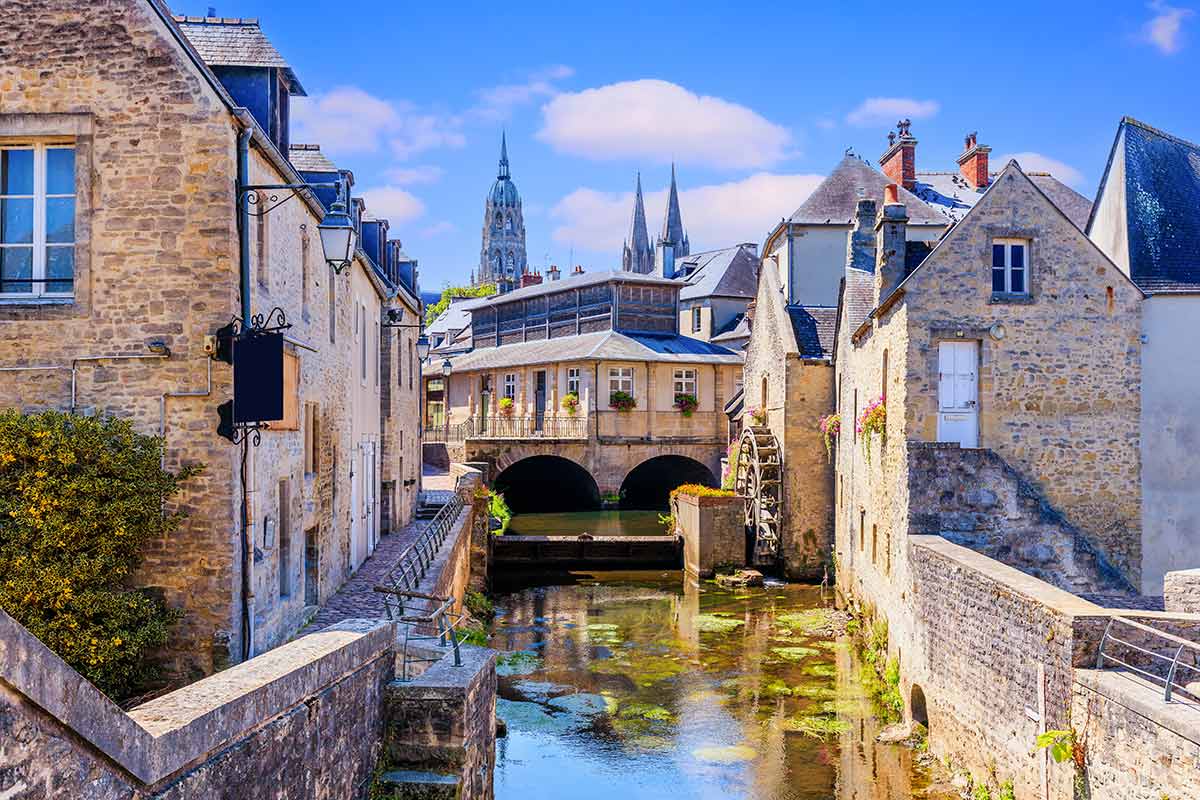
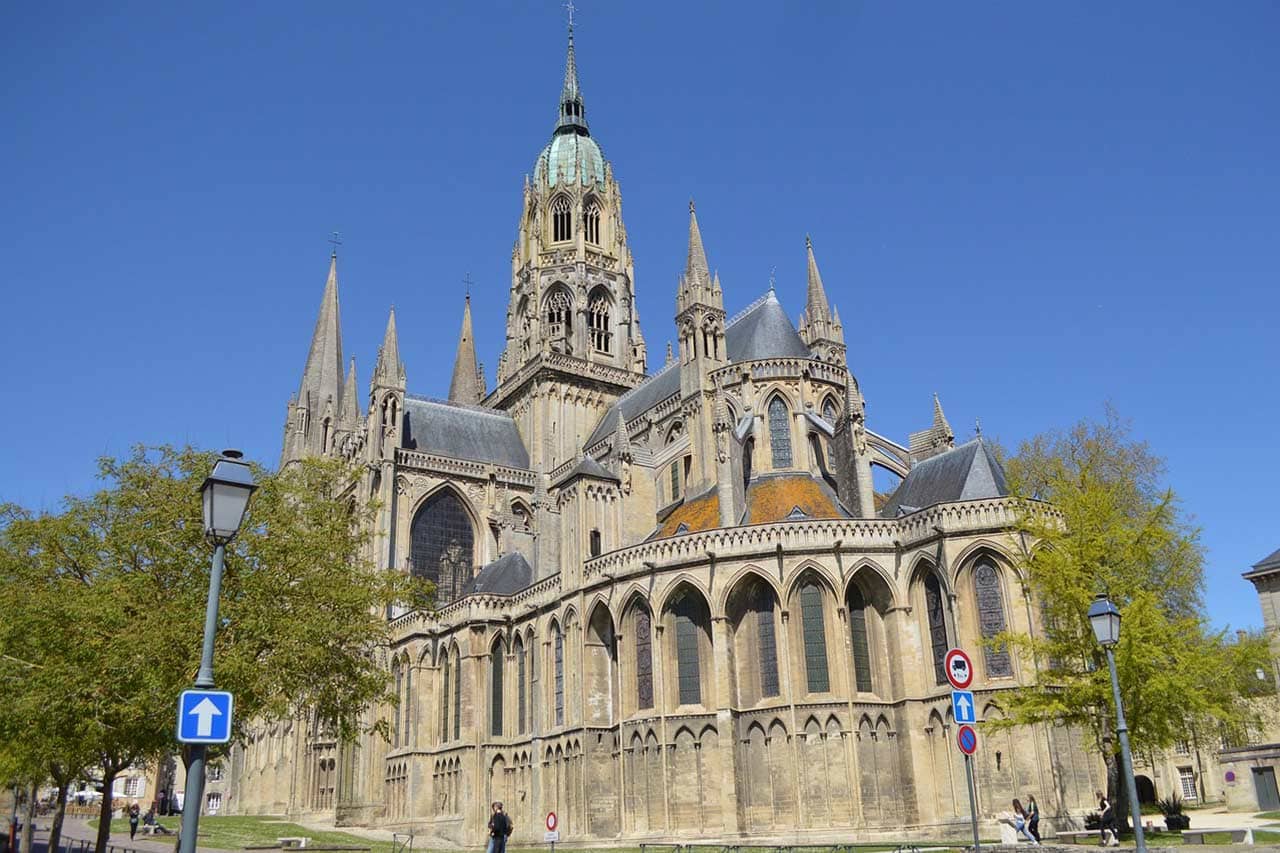

Bayeux is one of the most beautiful small cities in Europe, a gorgeous medieval city with one of the greatest historical records of the Middle Ages and an excellent base for exploring Lower Normandy (Basse Normandie) and the D-Day beaches ten miles to the north.
At the time of writing, the 11th-century Bayeux Tapestry is on loan. To the British Museum in London, and it’s due back home in Bayeux in the autumn of 2027. It’s one of the main reasons visitors have come to Bayeux over the last few decades, an astonishing contemporary record of the events before, during and after the Norman Conquest of England in 1066.
Bayeux is often overlooked as one of the loveliest medieval cities in France, with a superb Gothic cathedral and many half-timbered houses lining its narrow streets and river.
Unlike nearbv Caen, Bayeux came through the Allied landings in Normandy largely undamaged. But it’s home to two major wartime sites, the Bayeux War Cemetery (with well over 4,000 soldiers’ graves, immaculately maintained) and the Museum of the Battle of Normandy, one of several in the region covering the 1944 Allied invasion.
Where To Stay: Domaine de Bayeux – elegant 18th-century house with gardens just outside the city centre
12. Falaise Castle
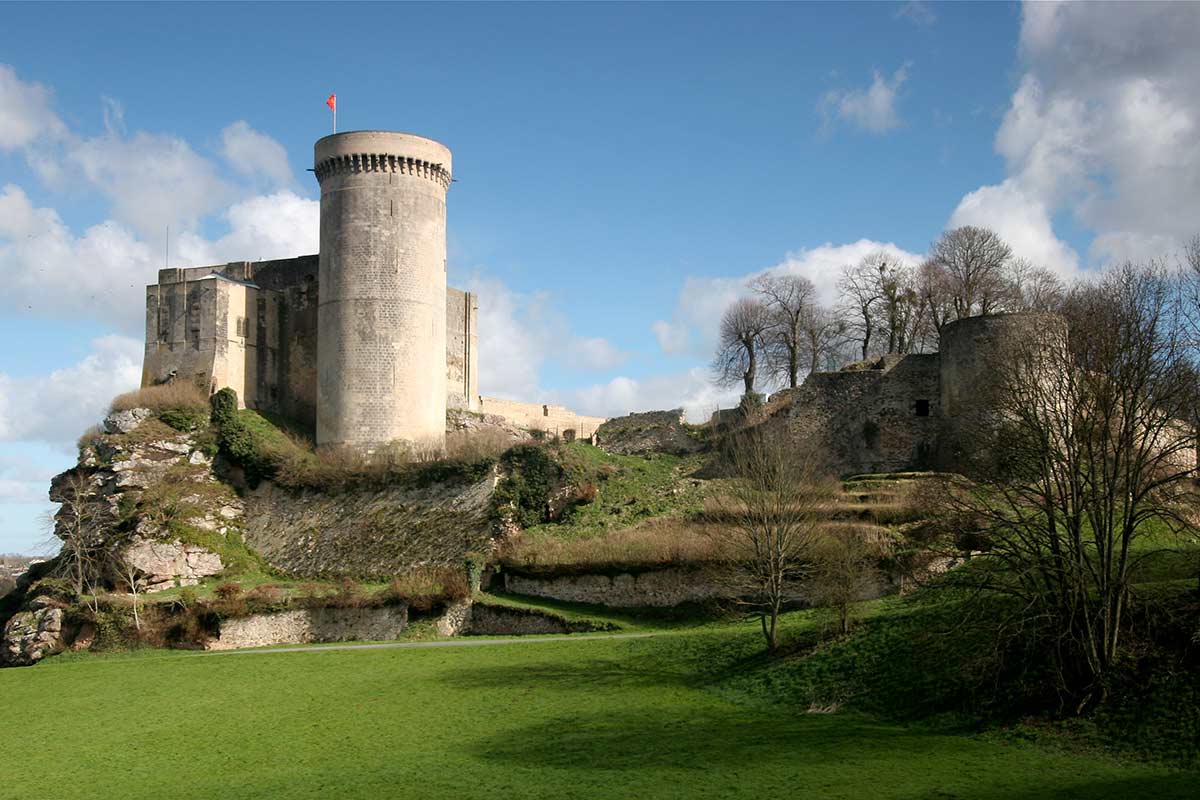
The Chateau de Falaise is one of the most famous landmarks in Normandy, The future William the Conqueror – known earlier in his life as William the Bastard – was born there to a local woman in the 1020s or 1030s. He succeeded to the Duchy of Normandy as his father was Duke Robert and later went on to claim the English throne in 1066.
Much of the present castle dates from after William’s death in 1087, with the main tower built at least a century afterwards. Nonetheless the strong association remains.
It’s a stout, impressive fortress, easily among the finest castles in Normandy, and anyone with an interest in history should consider paying it a visit.
Falaise was also the site of the decisive phase of the Battle of Normandy in 1944. Two German armies were surrounded there by Allied forces, and they failed to force their way out of the encirclement through the so-called Falaise Gap. Most of the Wehrmacht forces surrendered, and 10,000 of their soldiers were also killed. This victory finished German resistance in Normandy, opening the way for Allied troops to move east towards to Paris to liberate the capital.
13. Côte Fleurie – Deauville and Trouville
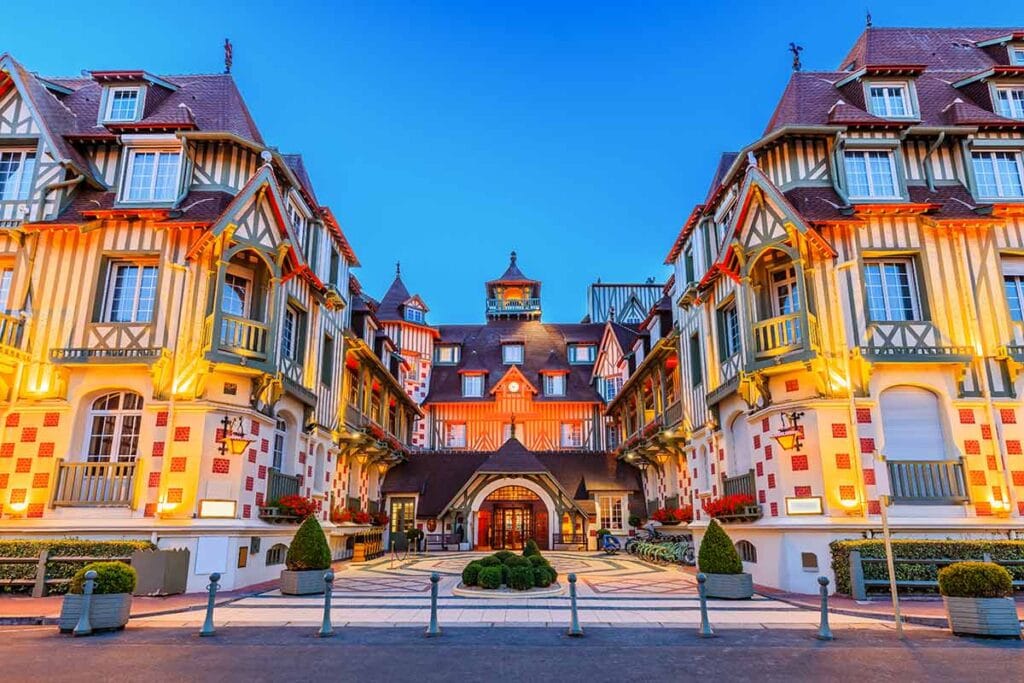
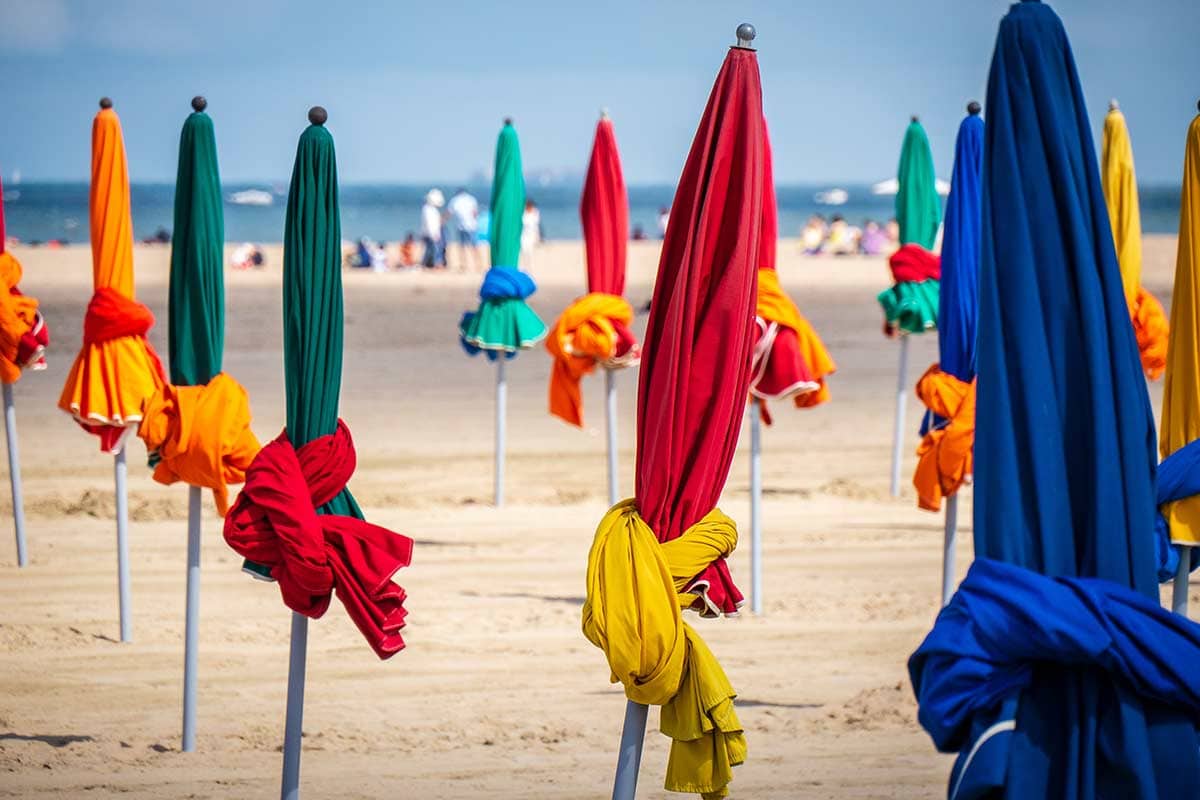
The Côte Fleurie – Floral Coast – is the series of long, sandy beaches between Honfleur (on the Seine estuary) and Cabourg.
These beaches are the closest to Paris if what you’re looking for is sun and lots of sand, and certain places along the coast – particularly Deauville – have had a high glamour quotient since the railway from the capital first arrived in the 19thcentury.
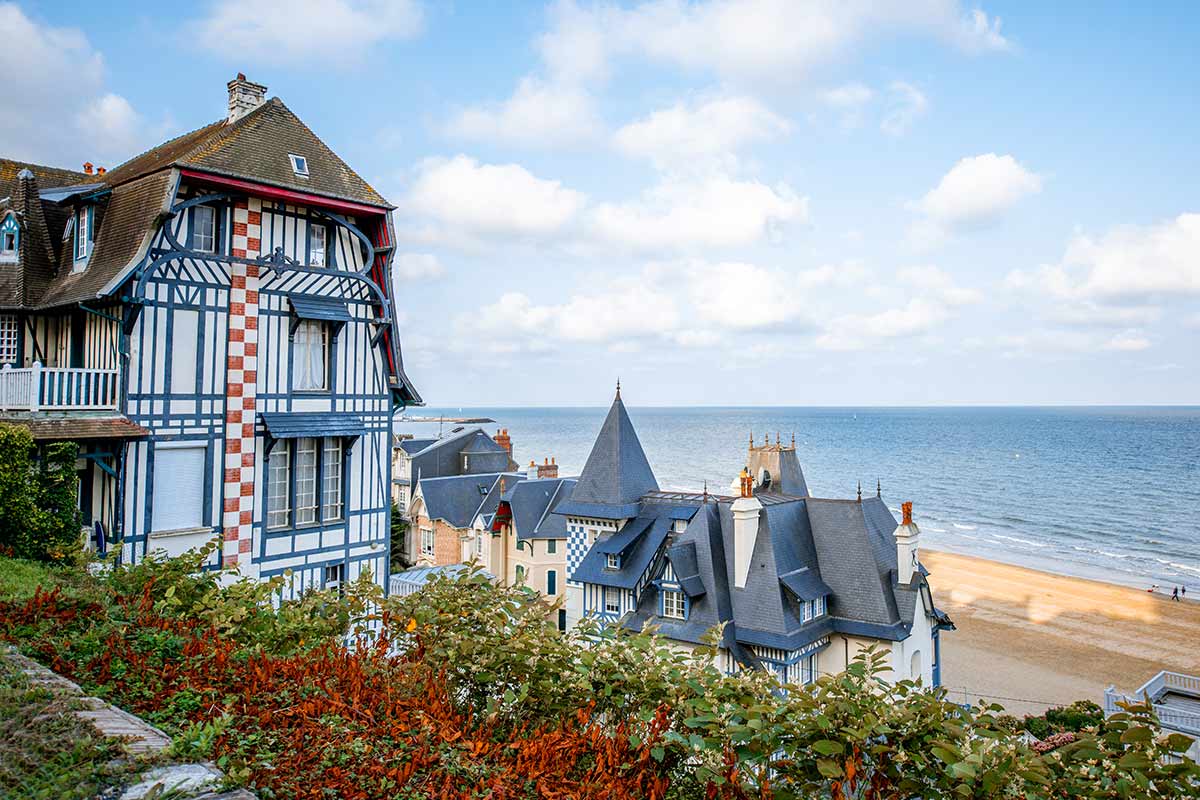
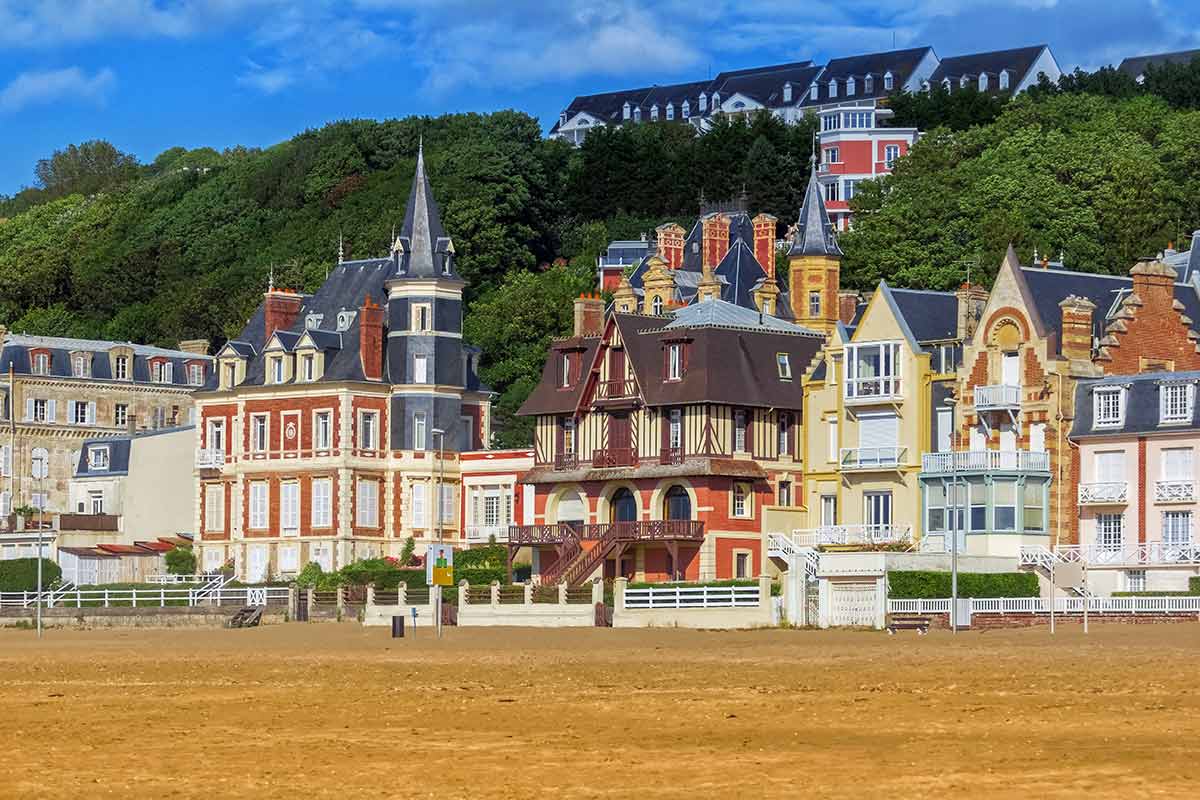
What you get along the Côte Fleurie is beach after fabulous beach, with some wonderful Belle Époque architecture from around the turn of the 20th century. They range from the lavish Deauville Casino to some fine mock-medieval villas along the seafront, a reminder that rural Normandy is very close by.
Deauville is the most popular place to visit along the coast, and if you’re there I recommend seeing its immediate neighbour to the west, Trouville, which is every bit as beautiful, with a lovely fishing harbour as well as a fine wide beach.
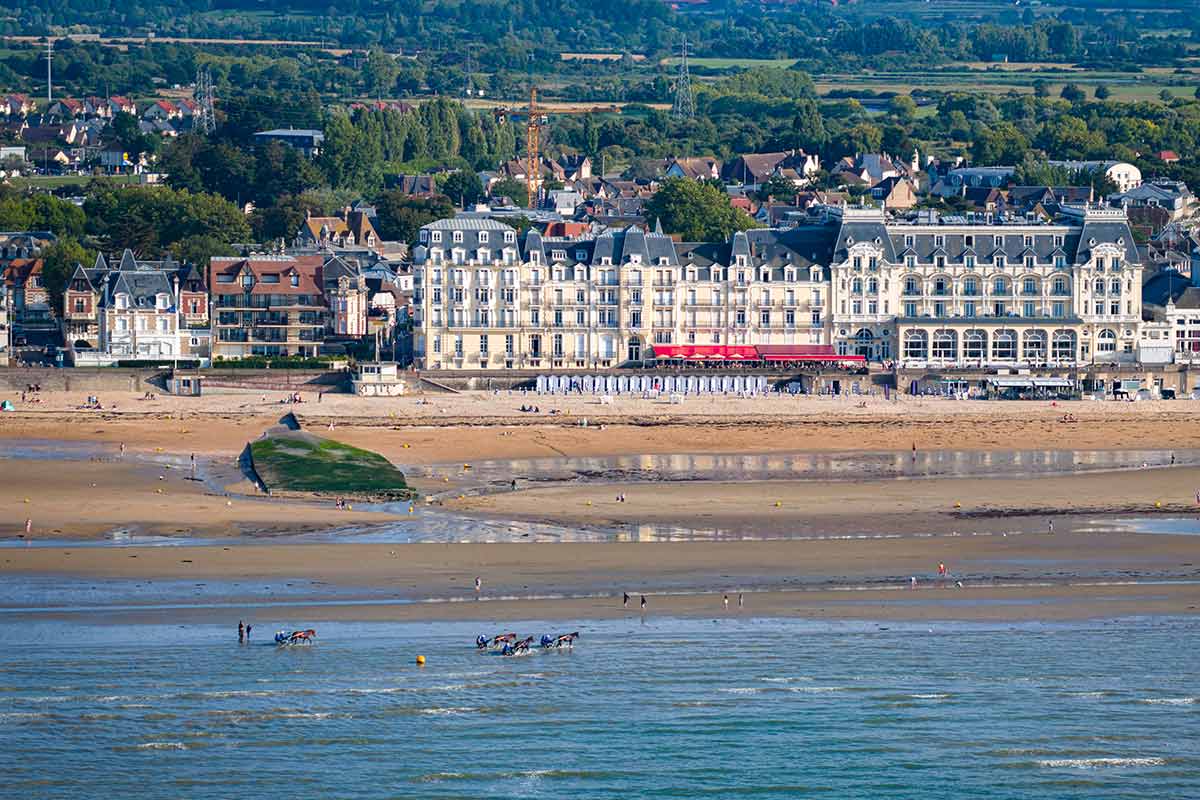
Tours: This Deauville tour by vintage sidecar is a great way to get your bearings around the town
Where To Stay – Le Grand Hotel de Cabourg – splash out at one of the great traditional seaside hotels of France
14. La Suisse Normande
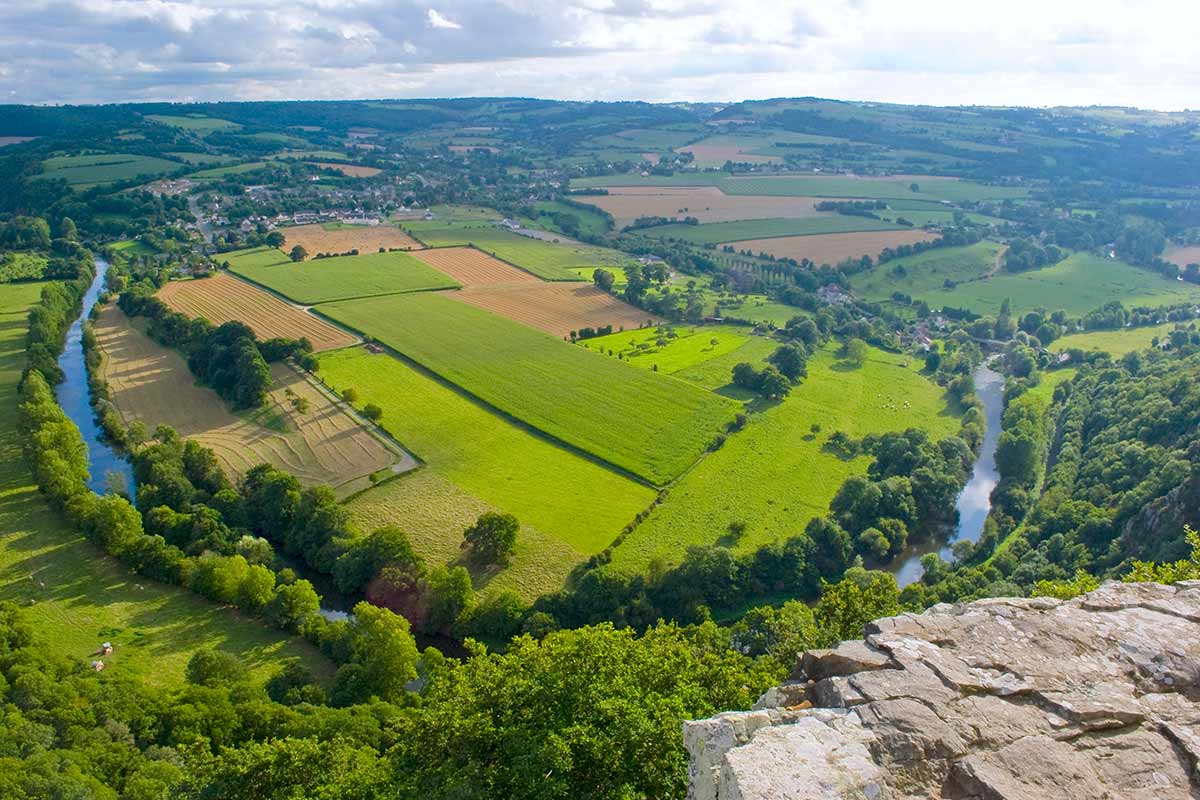
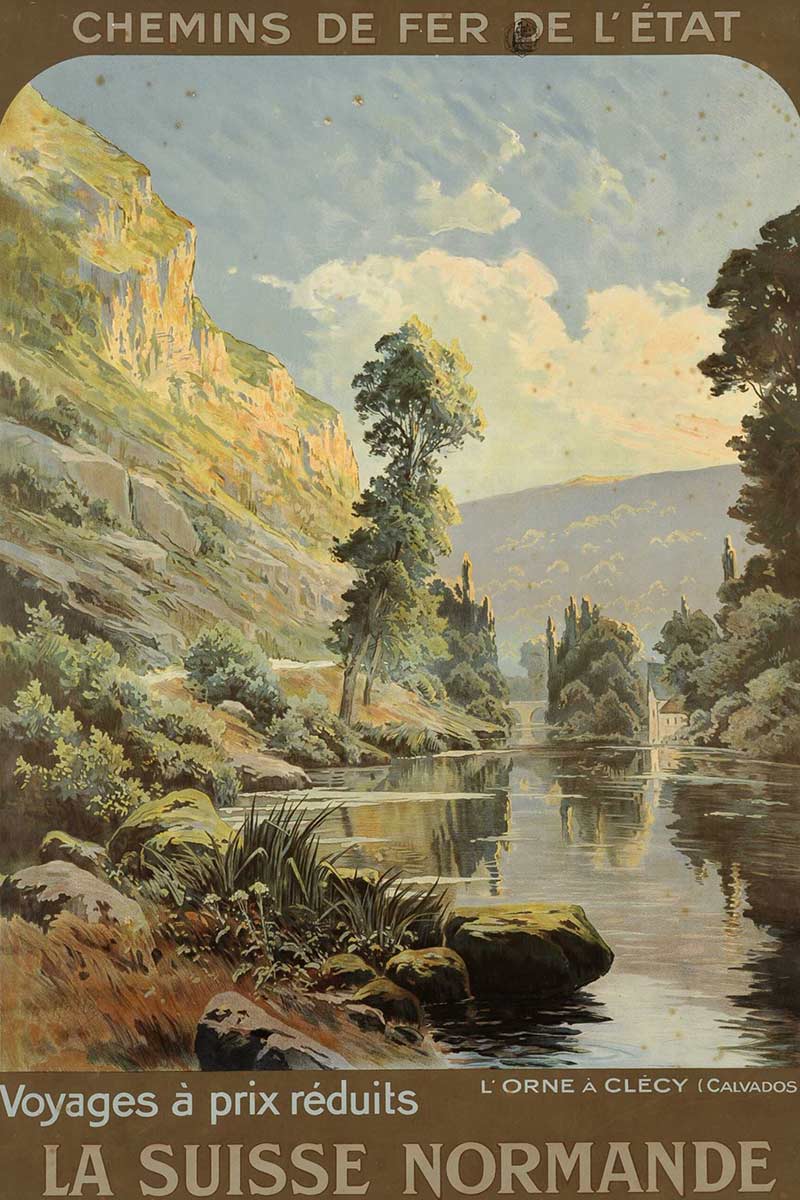
The Norman Switzerland is well off the beaten track for most visitors to Normandy, and I was lucky I got to know it through a couple of school trips to this part of the region in the 1980s.
The ‘Switzerland’ name promises a bit more than it delivers, and like the Saxon and Bohemian Switzerland southeast of Dresden in Germany, it won’t bear much resemblance to the alpine country to many visitors. Rather than alpine scenery, there are some beautiful river valleys, including the Orne (pictured), and a superb view over a bend in the river which I’m so glad I enjoyed. It’s more rugged than the pastoral countryside of the Pays d’Auge, but still gentle scenery compared with the mountains of central and southern France.
The best of the scenery is to the west of Falaise, close to the medieval village of Clecy. There are some great moderate-level hikes in the area, and the Orne is also popular for canoeing and kayaking.
The area is only reachable by car, and is a pleasant break away from other parts of France – indeed two or three parts of Normandy – that are overcrowded. You may even have some places to yourself.
15. Pays d’Auge – Camembert Country
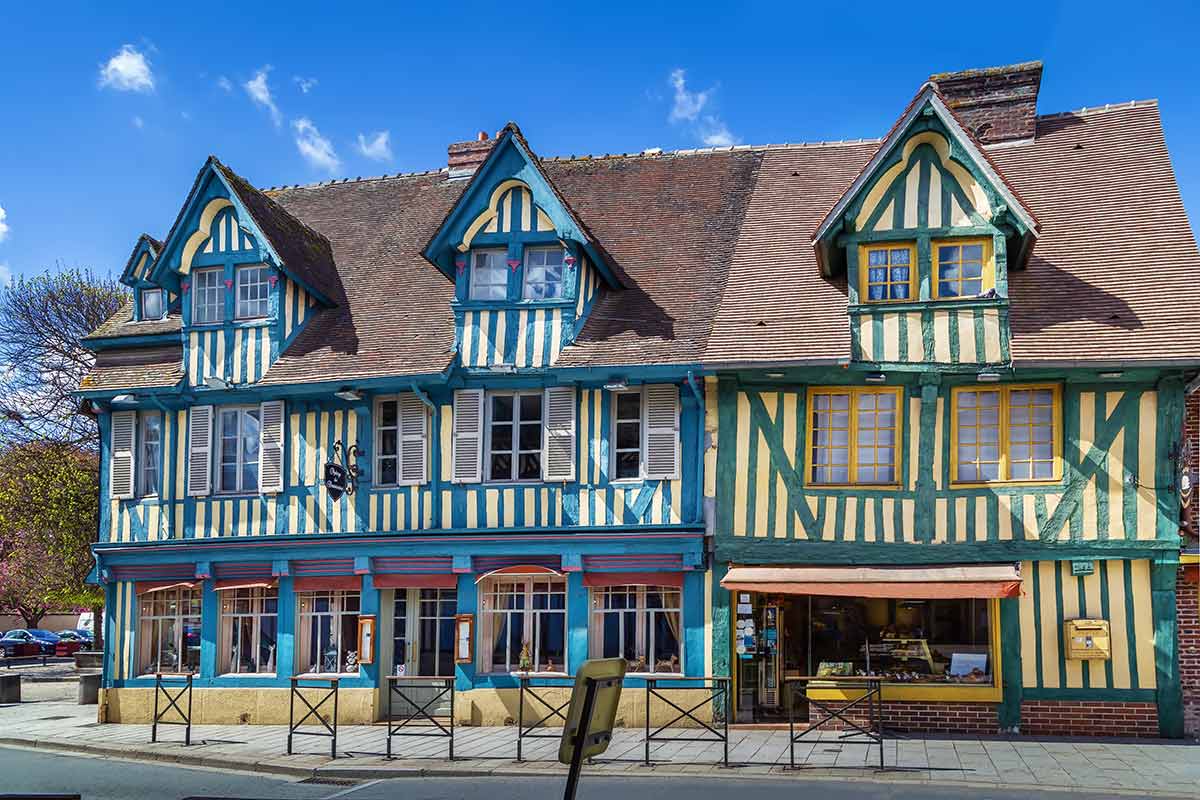
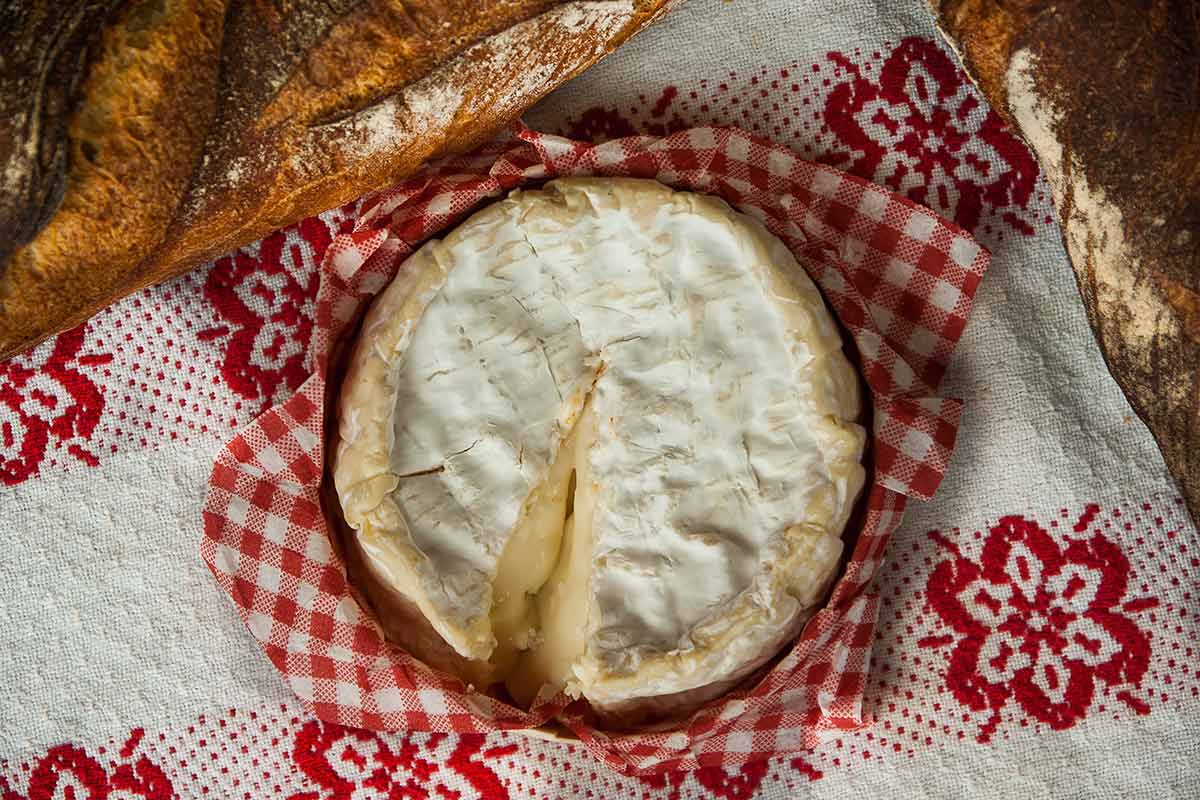
The Pays d’Auge, to the south of Caen and the Côte Fleurie, is the heartland of rural Normandy. This is a landscape of green rolling hills, half-timbered hamlets and dairy farms producing some of the most famous – and finest cheese in France.
It’s home to Camembert, the rich creamy circular cheese that is believed to originate from the village of the same name in the Orne departement, a few miles from the country town of Vimoutiers. Marie Harel and a local abbot are credited with inventing the cheese in the late 18th or early 19th century, and there’s a small Camembert Museum in Vimoutiers. Camambert became universally known in France in World War I, when it was part of the ration packs issued to soldiers fighting in the trenches.
There are many beautiful small towns and villages around the Pays d’Auge, and the one not to miss is Beuvron-en-Auge, which is part of the invitation-only Les Plus Beaux Villages de France organisation.
Several other cheeses are produced in the area, including Livarot and Pont-l’-Évêque. The latter is one of the oldest cheeses in France, made by local monks in the 12th century. It’s a soft cheese with washed rind, produced only from milk in a designated small area around the town.
Tours: This rural Normandy tour visits Beuvron-en-Auge, a traditional dairy and a distillery where the local calvadosdrink is produced
Cotentin Peninsula
16. Le Mont-Saint-Michel
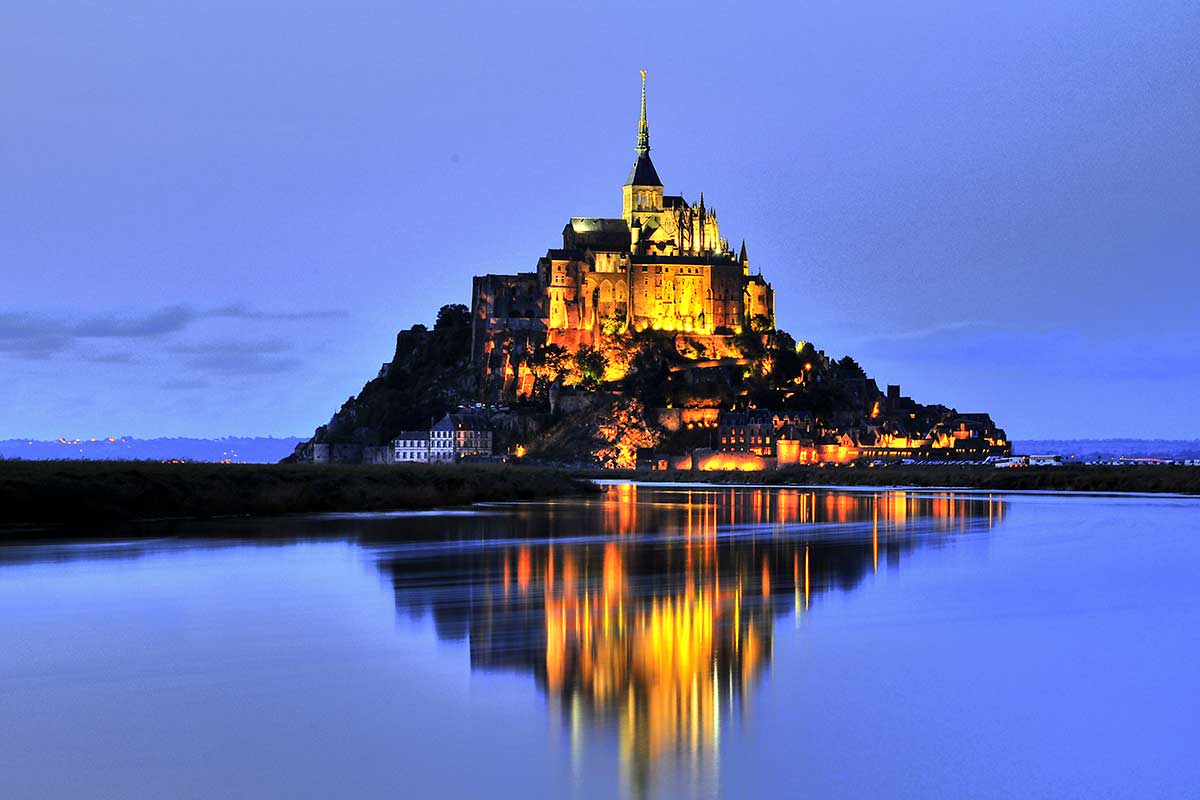
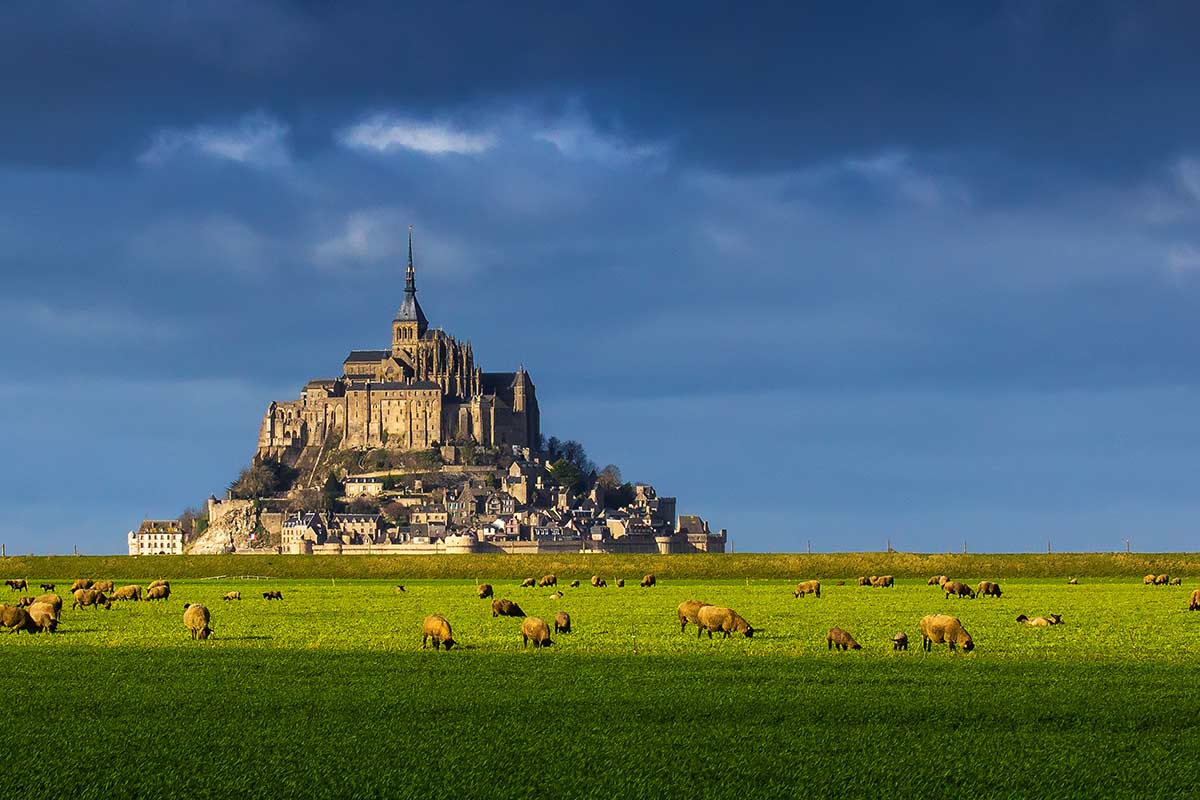
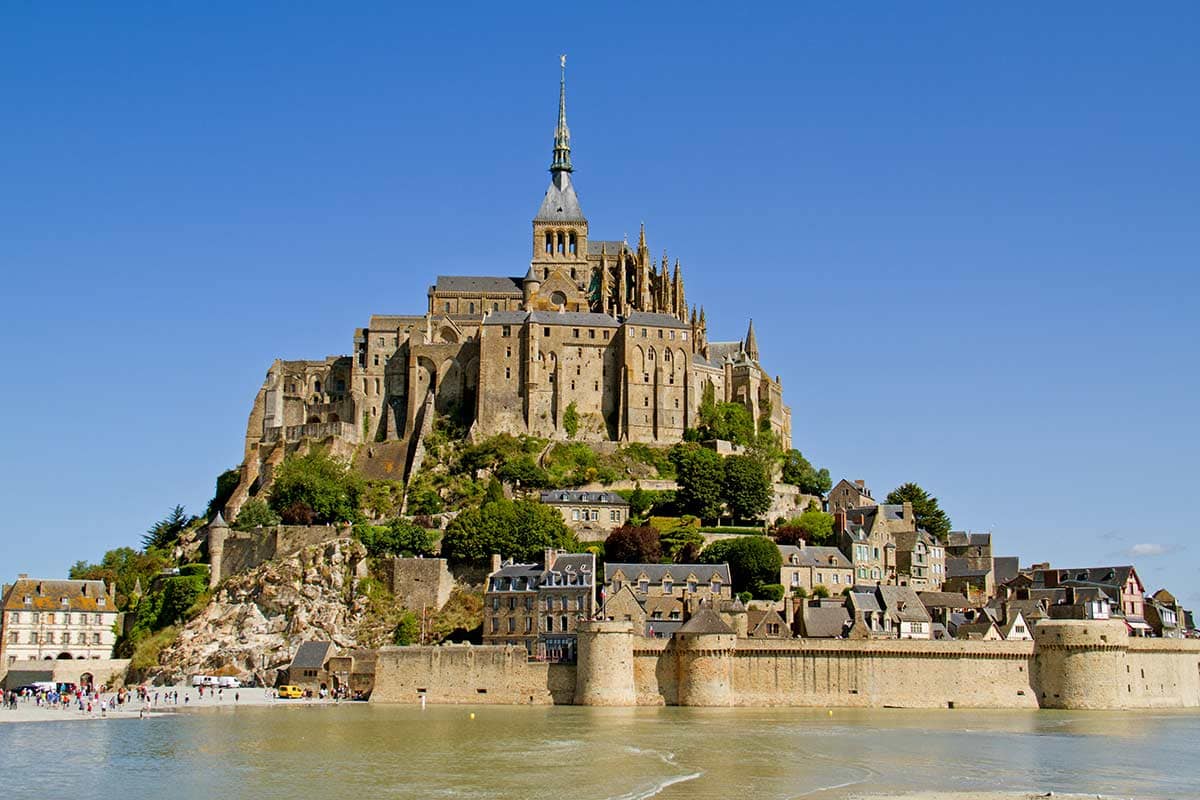
One of the most famous landmarks in France, indeed Europe, Mont-Saint-Michel is one of the essential places to visit in Normandy.
The fortress-abbey-village is built on one of the most improbable of locations, a rocky islet surrounded by the shifting tidal sands of the Couesnon estuary, the historic boundary between the Duchies of Normandy and Brittany.
It was built there by Bishop Hubert of Avranches, who is said to have had a vision from the Archangel Michael instructing him to build an abbey there. Medieval abbeys were often built in remote, inaccessible locations, so this does at least fit the pattern of the times.
The causeway road that used to lead to the Mont has long since been replaced by a bridge, over which visitors are ferried by frequent shuttle buses to the village. A narrow stepped street leads up from sea level to the Abbey at the top of the Mont, crowned by a stunning Romanesque and Gothic church, one of the most beautiful in France.
After Paris, Mont-Saint-Michel is the second most popular place to visit in France, and the best time to visit is towards the end of the day when the coach parties have left, or in the shoulder season (October is much less crowded than July, I can tell you from personal experience).
There are many tours to Mont-Saint-Michel to choose from. This Mont-Saint-Michel tour from Paris offers a standard package, with transport there and back and entrance to the Abbey included.
This Mont-Saint-Michel shore excursion from Le Havre is the ideal option for cruise passengers, giving you an ample four hours at the Mont.
And if you’re driving around Normandy, you can pre-book your Abbey entrance ticket here.
17. Barfleur
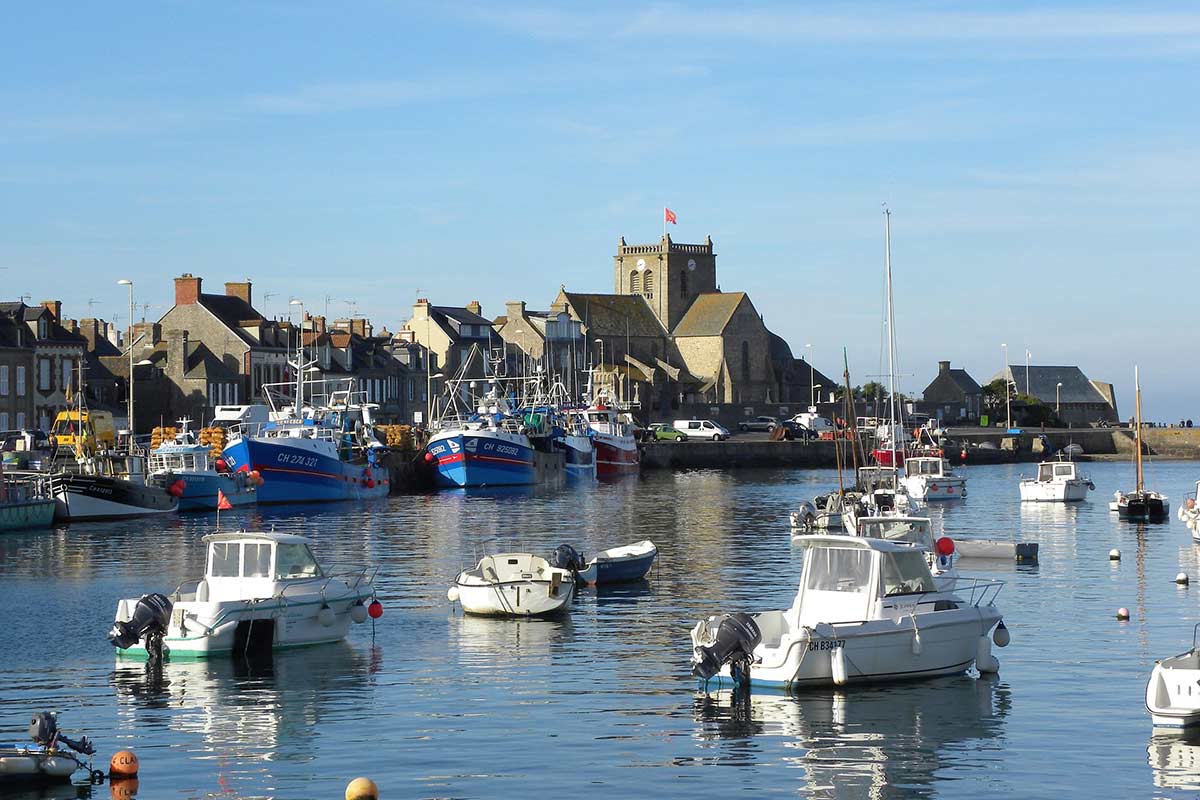
Another Norman member of Les Plus Beaux Villages de France, Barfleur is a tiny fishing village on the northeast coast of the Cotentin peninsula, just ten miles from the ferry and cruise port of Cherbourg.
It’s one of the best places to visit on the Cotentin peninsula, with a rich history. It was one of the departure points for William the Conqueror’s invasion fleet heading across the channel to England, where he would win the Battle of Hastings and become King of England.
Barfleur is very small, a cluster of granite cottages huddled around the harbour with a 17th-to-19th-century church built to replace a Romanesque one wrecked by successive English occupiers. The village is not unlike some of the fishing villages across the Channel in Cornwall like Mousehole.
There are some great walks along the coast from Barfleur. The Phare de Gatteville- the second tallest lighthouse in France – is only 2km to the north. And Normandy’s least-known World Heritage Site – the towers at Saint-Vaast-la-Houge and just offshore on Tatihou Island – are one of twelve locations around France that comprise the Fortifications of Vauban World Heritage Site. Saint-Vaast is another lovely fishing village just north of Utah Beach, just 10 km (6 miles) south of Barfleur.
Where To Stay – Domaine de l’O – beautiful guesthouse on the outskirts of Barfleur village
18. Coutances
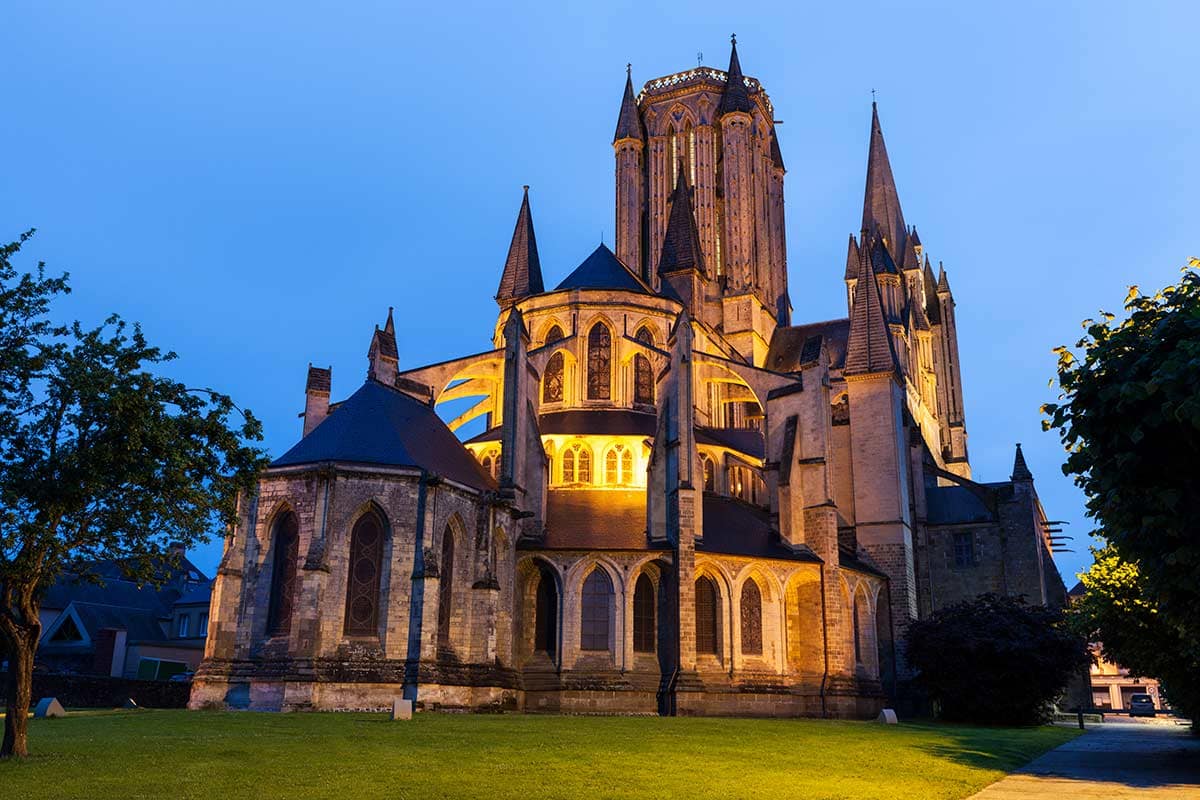
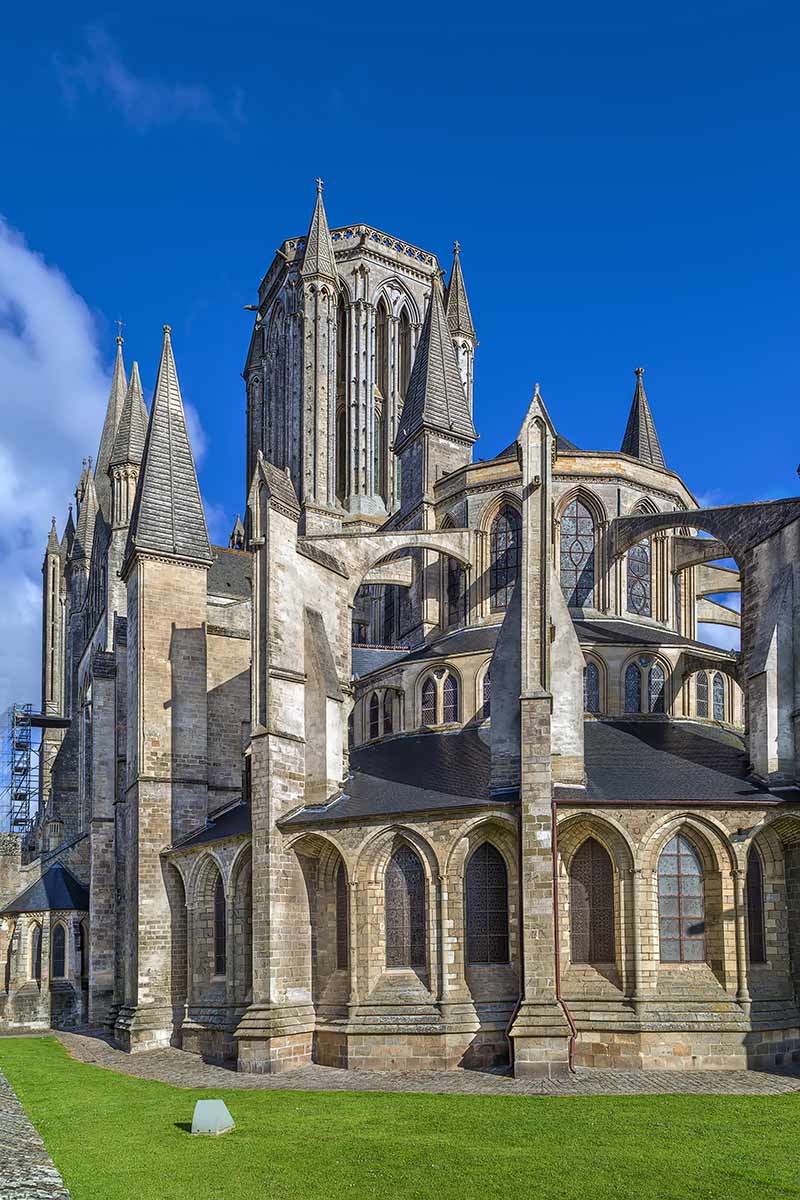
Coutances is the hidden gem of the Cotentin Peninsula, worth the journey for its hilltop Cathedral which can be seen from as far away as the Channel Islands.
It’s a formidable sight, severe and imposing at first, its spires and turrets bristling like arrows or missiles about to be launched. But up close the impression fades, as you realise you’ve chanced upon one of the finest and most underrated cathedrals in France.
Unusually for medieval cathedrals there’s a unity of style – Gothic – as it was built in a single unbroken spell between 1220 and 1274 – very short for the time.
The central lantern tower is magnificent, a rarity in French cathedrals and comparable to the likes of Ely Cathedral in England.
Coutances makes a good base for exploring the west of the Cotentin, with the ruined Abbey of Hambye a few miles away, and the long beaches and dunes of the peninsula’s west coast a few miles’ drive away. One of the best beaches in the area is Gouville-sur-Mer, which has some highly photogenic colourful huts in the dunes just behind the beach.
Where To Stay – Hotel La Pocatiere – fine central mid-range option a short walk from the Cathedral and centre
Granville
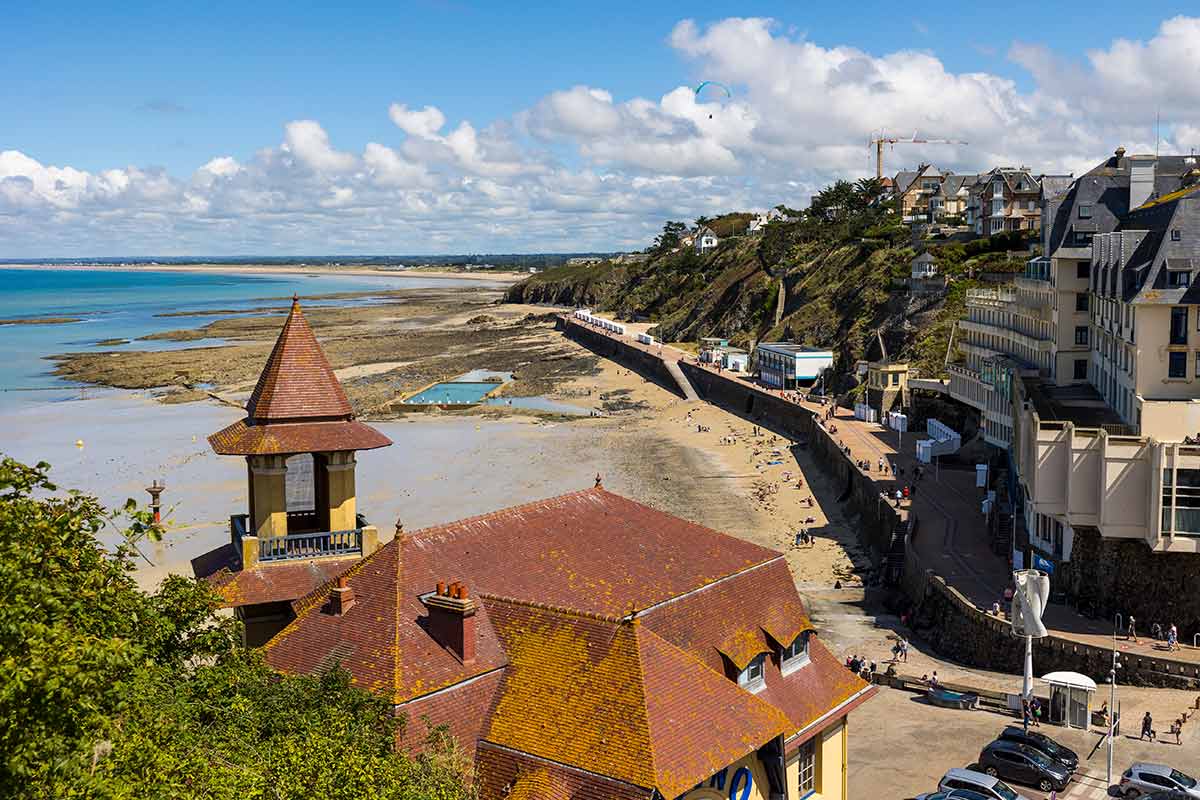
Granville is one of the most underrated places to visit in Normandy, and somewhere only repeat visitors to the region tend to discover. On my first visit in 1988, I was very much reminded of the historic seaside town of Tenby in my native Wales, with its headland, cliffs, beaches and centuries-old core, and my return 16 years later confirmed my impression that it’s a very special town.
The upper town is the place to begin, with some beautiful stone houses on the seafront and among the backstreets, with sections of town ramparts and the clifftop 15th-century Notre Dame du Cap Lihou church to explore. Granville’s most famous son is fashion icon Christian Dior, and his childhood home is now a museum.
Down on the shoreline, the harbour is one of the most picturesque in Normandy, with a fleet of small boats making a living catching shellfish. The town has four beaches, two either side of the headland, and Plage Herel is my pick of these, just to the south of the marina.
Granville is also the gateway to the Iles Chausey, the little-known French Channel Islands, 11 miles (17 km) offshore to the west. As there are no transport links to the British Channel Islands, they tend to be overlooked by all but French tourists. Only one of the islands – the largest, Grande-Ile – is inhabited, and it’s where you’ll find the islands’ only hotel and restaurant, L’Hotel des Forts et des Iles.
Getting there: Granville is the terminus of a direct train service from Paris which also calls at Caen.
Where To Stay – Mercure Granville Le Grand Large – the best beachfront option in town, with magnificent sea views
20. Nez de Jobourg
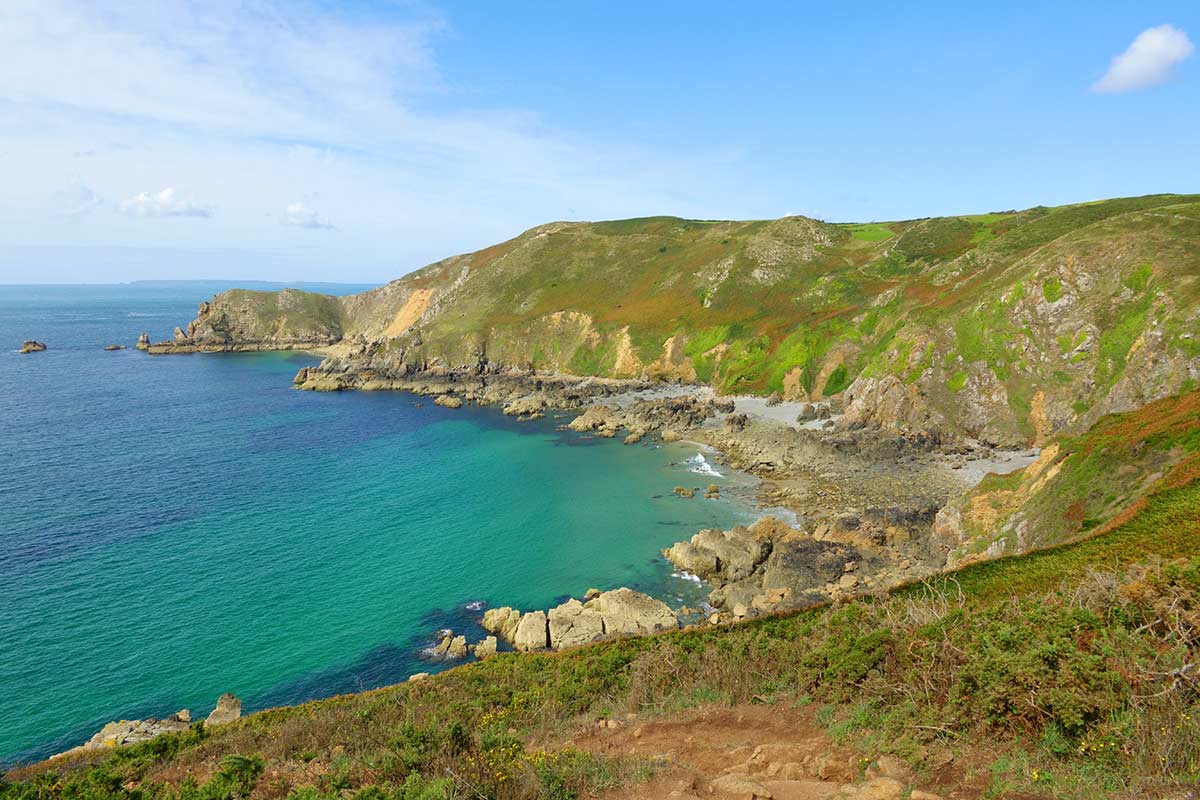
The northwest coast of the Cotentin has some of the best coastal walking in Normandy – indeed northern and western France.
The GR223 – the Customs Officers Route – long-distance trail covers the peninsula coast, and the section around Cap de la Hague to the Nez de Jobourg headland has some of the tallest cliffs in Normandy – over 130 metres high.
The views from this stretch of coast are superb – even on a moderately clear day it’s likely that you’ll be able to see some of the Channel Islands (Iles de la Manche) on the horizon.
Where To Stay – La Roserie – two-bedroom holiday cottage in the village of Auderville, a few miles north of the Nez de Jobourg and close to Cap de la Hague
Best Places To Visit In Normandy – Final Thoughts

I hope that you have enjoyed this article, and that as well as recognising some familiar places you’ve also discovered a few new ones. I’m still discovering more and more of the region well over 40 years after my first visit!
I’ve travelled widely around Normandy and France, and here’s a selection of my other France articles on the site:
Normandy Articles
Things To Do In Rouen – the wonderful ancient capital of Normandy
Things To Do In Honfleur – Normandy’s delightful historic port town
Best Shore Excursions from Le Havre – including Honfleur, Rouen, D-Day Beaches, Mont-Saint-Michel and more
Paris Articles
Best Eiffel Tower Views – 28 best places to see the Eiffel Tower in Paris
Arc de Triomphe Paris – all you need to know before visiting this great Paris landmark
Things To Do In Montmartre – the hilltop village that inspired so many artists in the 19th and 20th centuries
Sunset in Paris – the 15 best places to see one
Things To Do In The Latin Quarter Paris – exploring the historic Left Bank
Visiting Place de la Concorde Paris – one of the most iconic squares in Paris
Pont Alexandre III Paris – stunning Belle Epoque Parisian bridge
Famous Churches In Paris – 22 stunning Parisian churches to seek out
Icons of Paris – from the Mona Lisa to the Moulin Rouge, the Arc de Triomphe to Art Nouveau Metro signs, and many more
La Sainte Chapelle Paris – one of the most beautiful Gothic churches ever built
Southern France
South of France Road Trip– a 10-day itinerary across Provence and Occitanie
Things To Do In Albi – stunning red-brick World Heritage city with outstanding Toulouse-Lautrec Museum
One Day In Arles – Roman monuments aplenty, anda chance to follow in the footsteps of Vincent van Gogh
One Day In Avignon – 24 hours by the Rhone in the City of Popes
Best Day Trips From Avignon – 14 fantastic day trips from the City of Popes