

Things To Do In Montmartre
Watch the world go by from a street café, delve into its rich art history, climb its atmospheric stepped streets or visit a traditional cabaret. These are just a few of the best things to do in Montmartre, the hilltop former village overlooking central Paris.
The history of Montmartre – its name is derived from the Latin for ‘hill of martyrs’ – goes back over two thousand years, but much of what makes it famous is from the late 19th and early 20th centuries. At this time it was home to near-penniless artists like Pablo Picasso who went on to change the world of art.
Its thriving cabarets were also immortalised in posters by the likes of Henri de Toulouse-Lautrec. And Montmartre’s skyline changed forever at this time with the building of the Byzantine-influenced Basilica of Sacré Coeur, its domes becoming one of the most familiar landmarks in Paris, indeed France.
In this guide to Montmartre, I’ll show you:
The best places to visit
Where art history was made
Where to eat
Where to stay
How to get to Montmartre
Tours of Montmartre and how to buy tickets to the main attractions.
I hope you find it enjoyable and helpful.
Hotels in Montmartre
Le Terrass” Hotel – elegant hotel in 19th-century building on the west side of Montmartre, close to the Cemetery
Hotel 29 Lepic – family-run boutique hotel on one of the most fascinating streets in Montmartre
Hotel du Beaumont – small, elegant hotel as close as you can possibly get to the Moulin Rouge
La Bohème Montmartre – outstanding aparthotel on Rue St Rustique, one of the loveliest streets in Montmartre, and a few steps from Sacré Coeur
Citadines Montmartre – aparthotel in great location close to Place de Clichy, at the bottom of the Butte de Montmartre
Montmartre Tours
Montmartre Guided Walking Tour – great introduction to Montmartre, covering the main sights and several hidden gems
Montmartre Art Lovers Guided Walk – superb tour taking in all corners of Montmartre and its art and cabaret history
Scenic Montmartre Train Ride & Optional Seine Cruise – the petit train is a great way to get your bearings if you’re visiting Montmartre for the first time
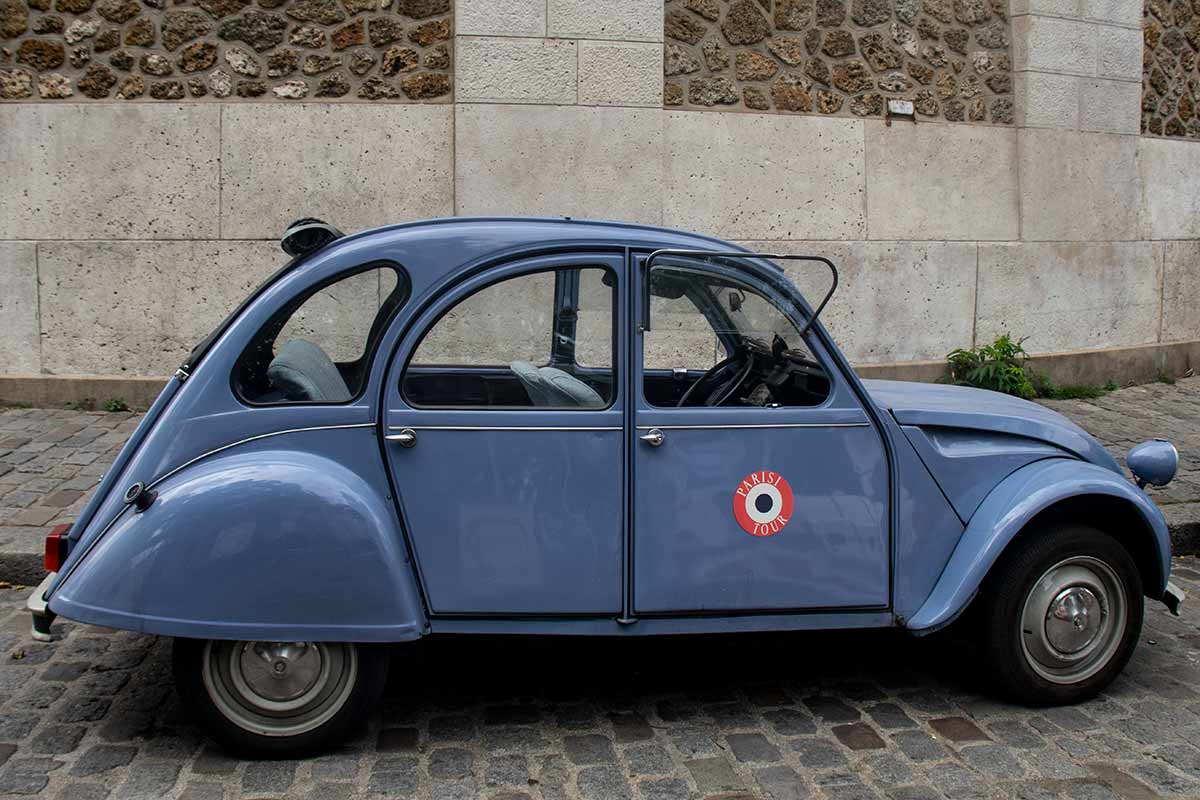
Montmartre and Paris in a 2CV – a 2-hour tour of Paris, beginning and ending in Montmartre, taking in the main sights in an iconic Citroen 2CV
Sacré Coeur
Byzantine-style Basilica that gives the area an exotic touch
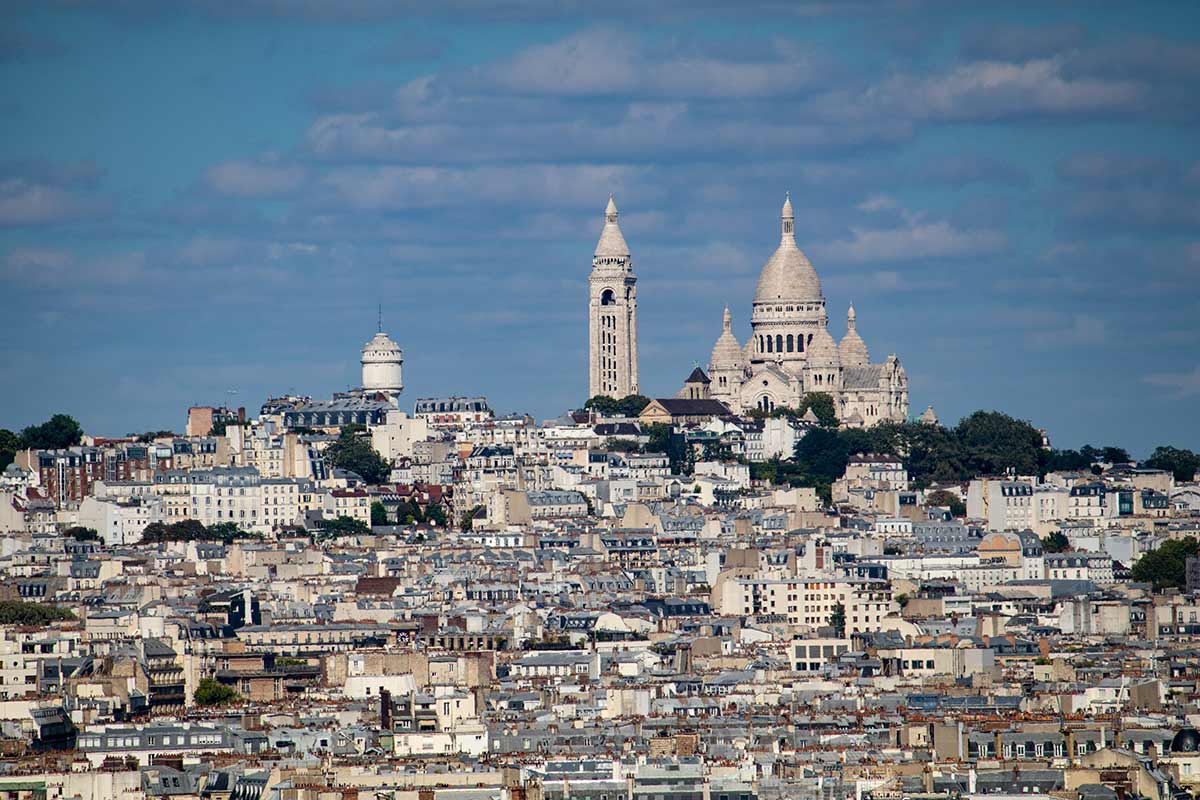
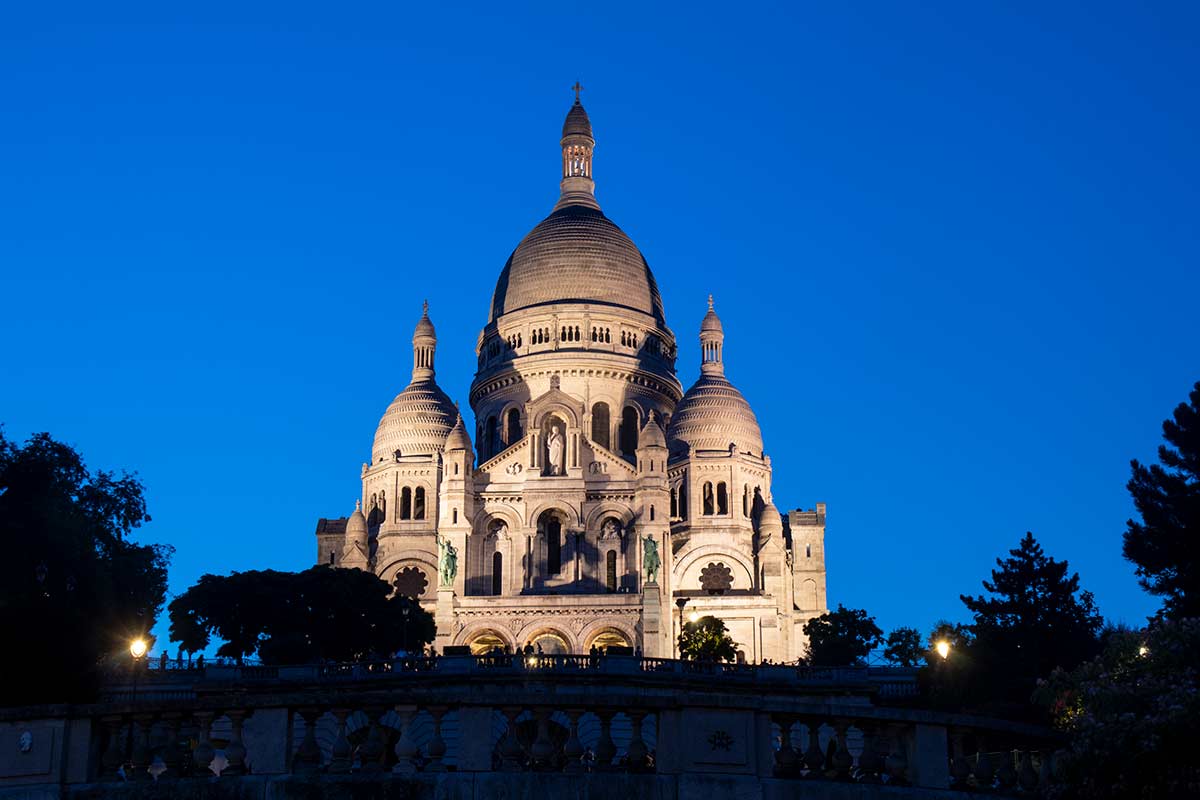
From afar, the Basilica of Sacré Coeur (Sacred Heart) dominates Montmartre, its white domes and belltower soaring above the rest of the area’s skyline. From up close, it has a more discreet presence, its main dome or tower peeking above a narrow street of old houses. It’s one of the three or four most famous churches in Paris, and perhaps the most exotic in the city, its domes offering a hint of Byzantium above the capital.
I credit Sacré Coeur with enchanting me and bringing me under the charms of Paris back in my teens (in the 1980s), and I loved the sight of it from the Place du Tertre so much that a print of it adorned my bedroom wall for many years. I still love the sight of it from outside, and always will.
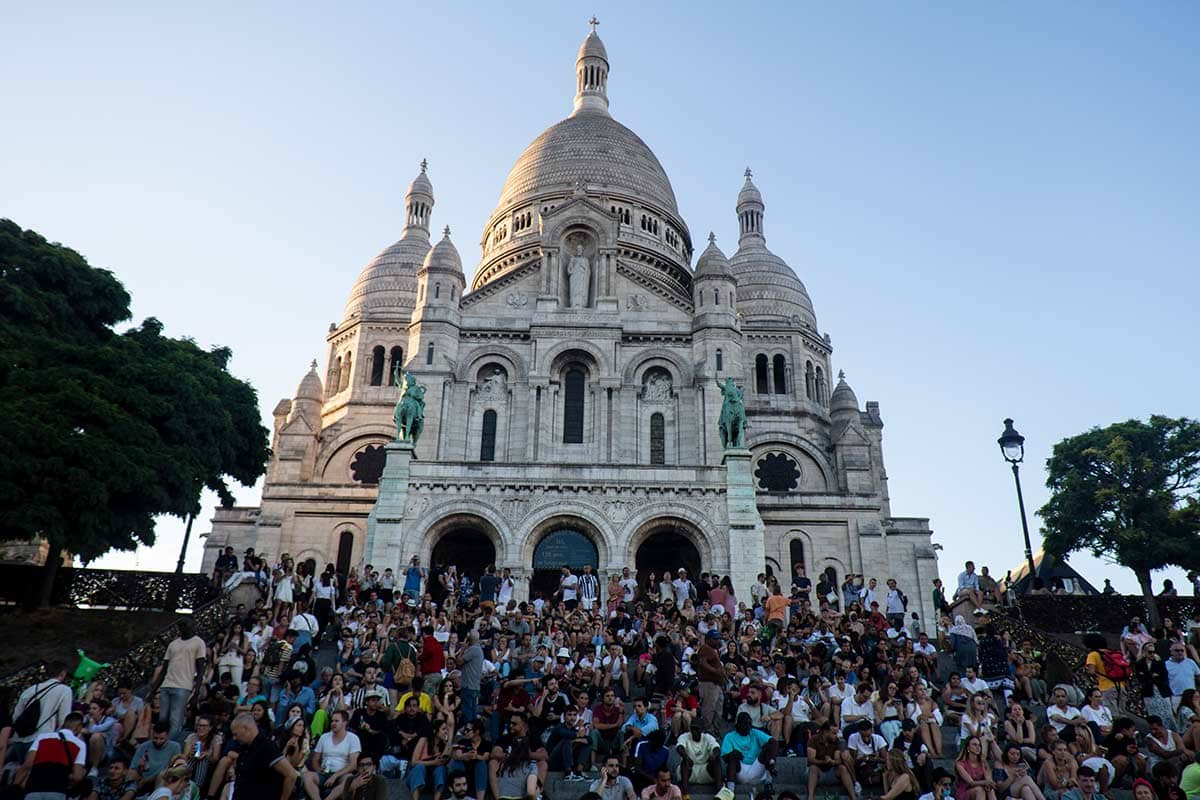
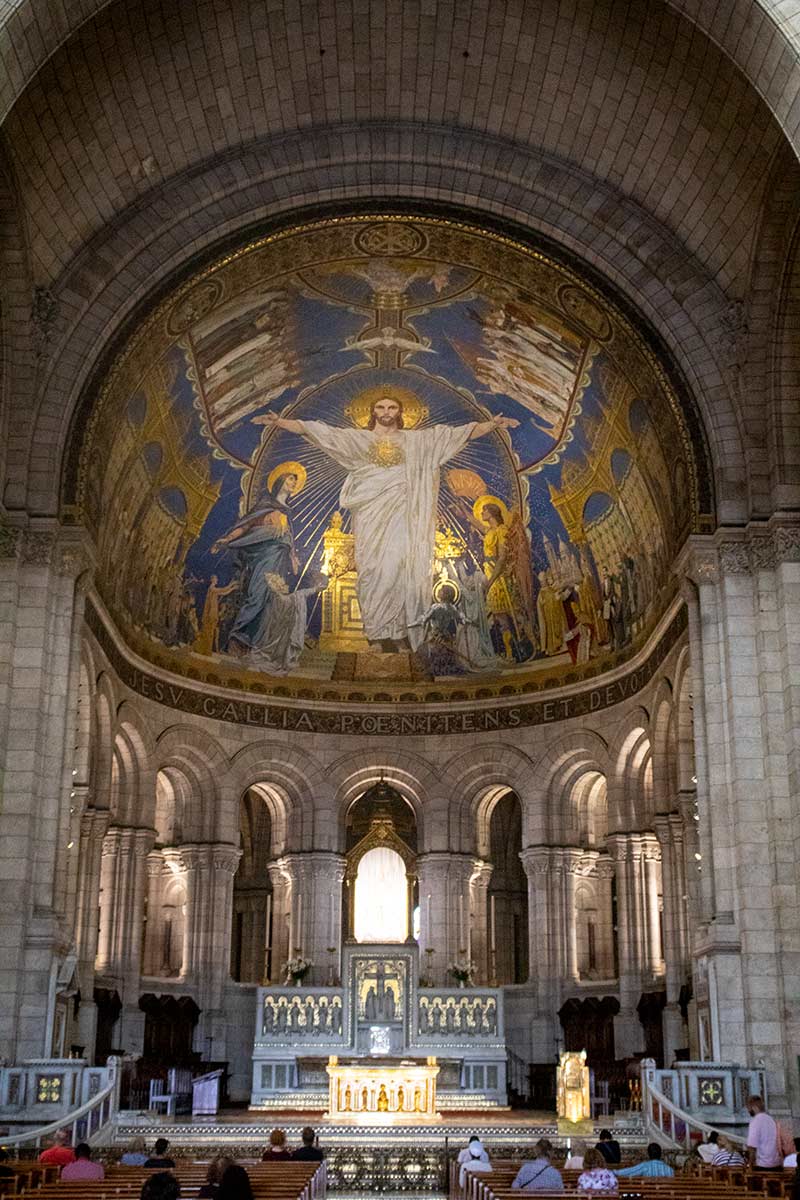
The interior has its moments too, particularly the early 20th-century mosaics which recall the Byzantine churches of Italy and beyond, the Near East.
But venturing inside has left me feeling a certain emptiness the last couple of times I’ve visited. Everything is set up to extract cash from you, and the crowds of a hot summer day don’t help. It’s rather a soulless cavern, a pity as the exterior promises so much.
See Also: Visiting Sacré Coeur Paris – the complete guide
2. Moulin Rouge
Cabaret, the can-can and much more
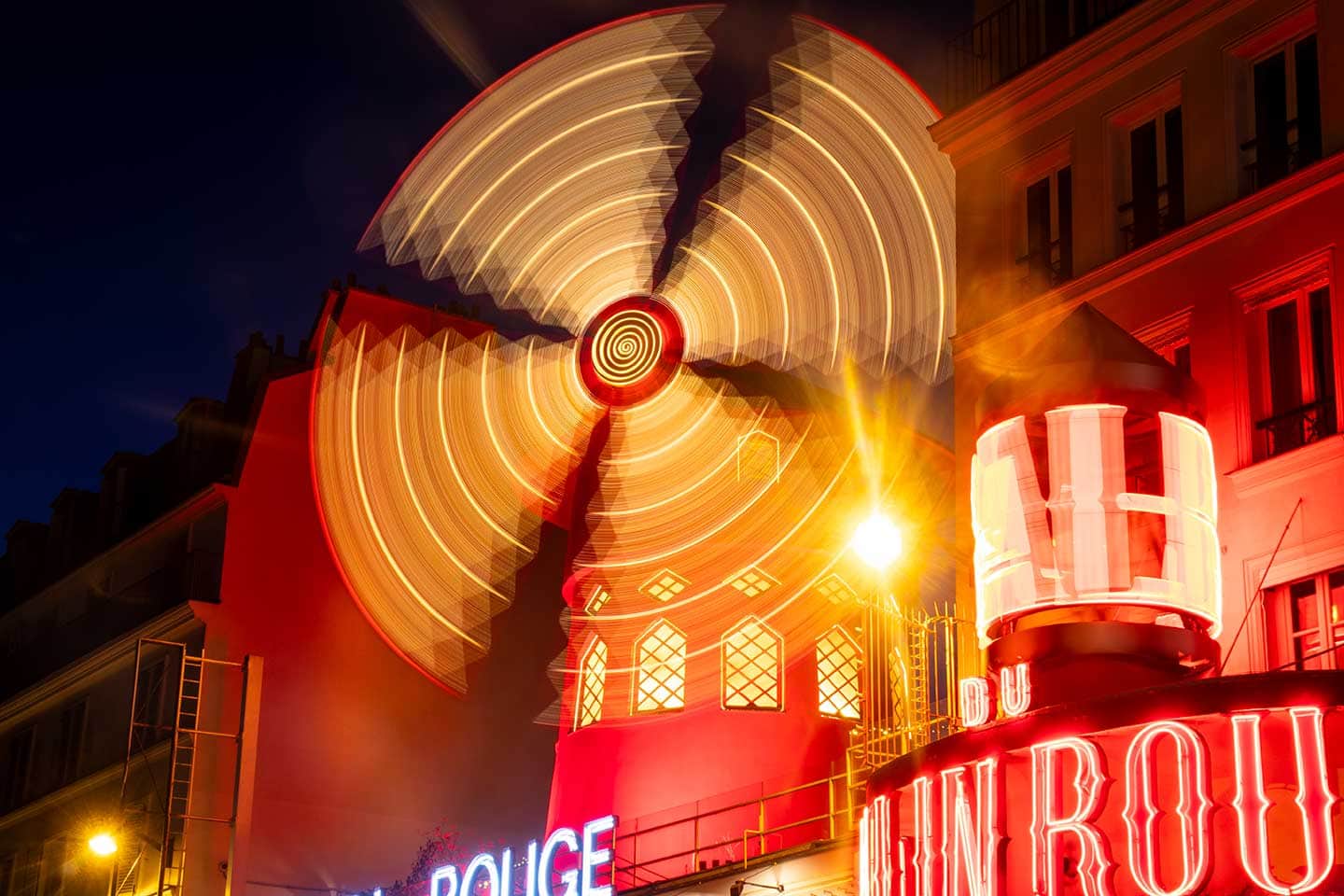
The Moulin Rouge (Red Mill) is the most famous cabaret in Paris, and one of the most famous icons of Paris.
It’s at the southern end of Montmartre, at the foot of the Butte on the Boulevard de Clichy, and just a block down the hill from the Amelie movie location, the Café des Deux Moulins. The cabaret theatre also inspired the 2001 movie of the same name.
The Moulin Rouge was opened in 1889, the year that the Eiffel Tower was completed. It’s most famous as the birthplace of the modern can-can, a high-kicking dance usually performed by a chorus line of women, but which originated as early as the 1840s. On a very different note, it also played host to many performances by the freeform farting artist, Le Petomane.
The first Moulin Rouge was made famous by the posters of one of its patrons, Henri de Toulouse-Lautrec, but the theatre burned down in 1915 and only reopened ten years later.
The current Féerie show has been running since 1999, and seeing a performance there is one of the most popular things to do in Montmartre, indeed Paris. You can book your Moulin Rouge tickets right here.
Abbesses Metro Station
One of the great treasures of Art Nouveau Paris
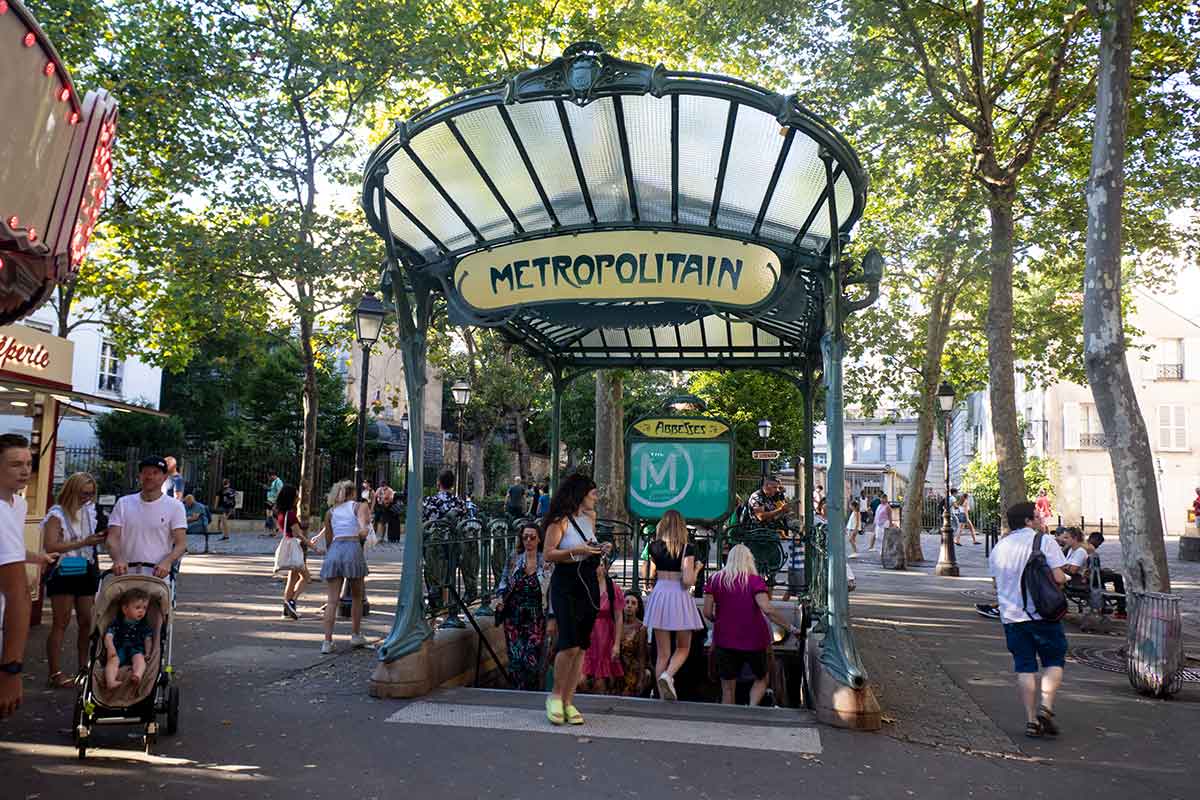
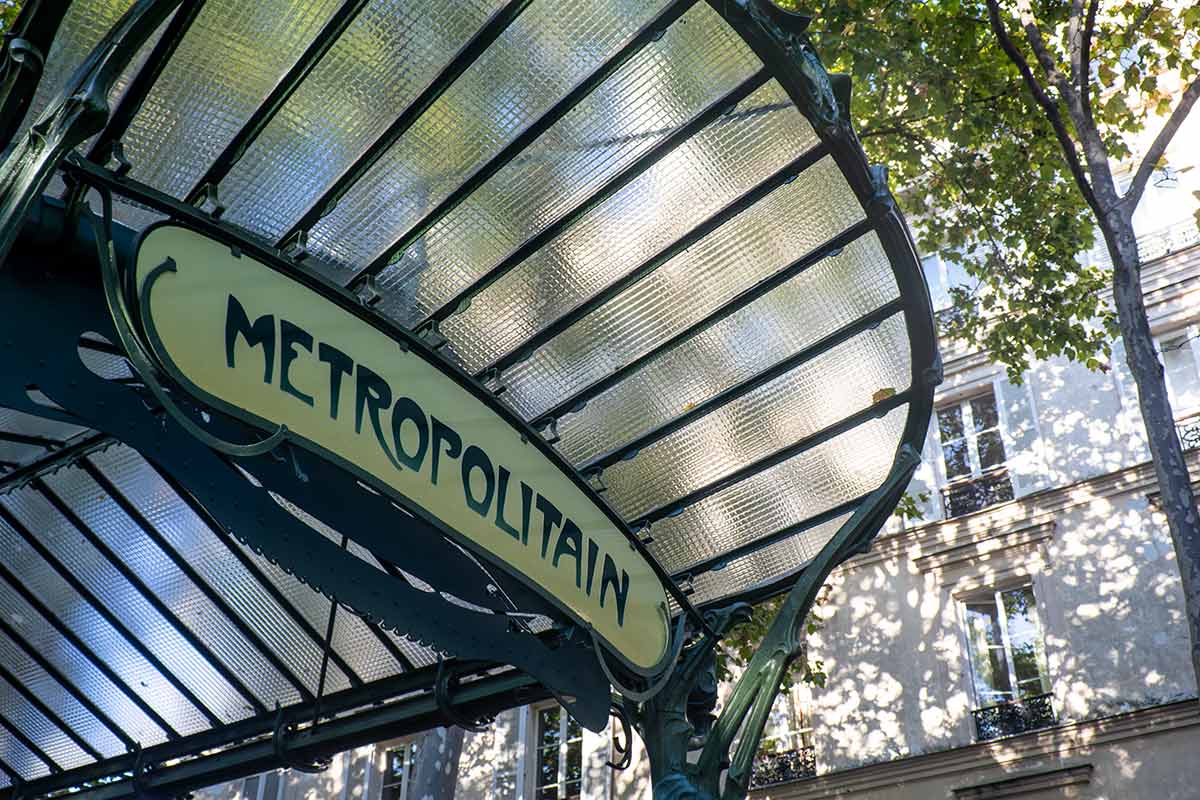
The Art Nouveau station entrances and signs designed by Hector Guimard are among the great icons of Paris. Over 80 of the gorgeous signs remain around the city, though many more have been lost, including station pavilions, and only two édicule B entrances with dragonfly-style glass canopies remain. One is at Abbesses Metro station, on line 12, and the other is at Porte Dauphine, on line 2.
The Abbesses entrance is the better-known and more visited of the two, as it’s in a more central and more popular part of Paris. The dragonfly (some compare it with a butterfly) canopy is one of the loveliest surviving examples of Art Nouveau Paris architecture, and I think it’s one of the most elegant station entrances I’ve seen anywhere in the world.
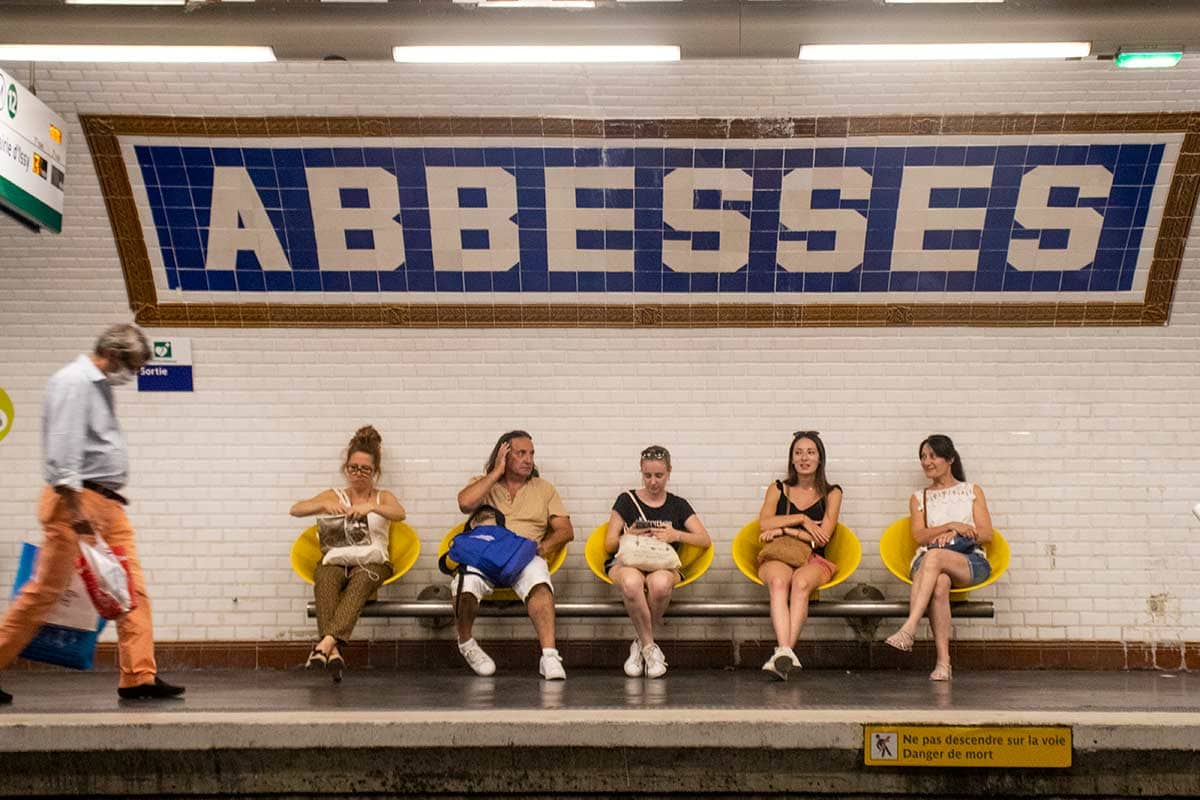
The station is also the deepest in the Paris Metro network, with a 144-step schlep up the stairs to Place des Abbesses and plein air Paris. But it’s well worth the walk rather than the lift, as you get to admire the murals all the way up the staircase.
Place du Tertre
Tourist Central – but still one of the loveliest squares in Paris
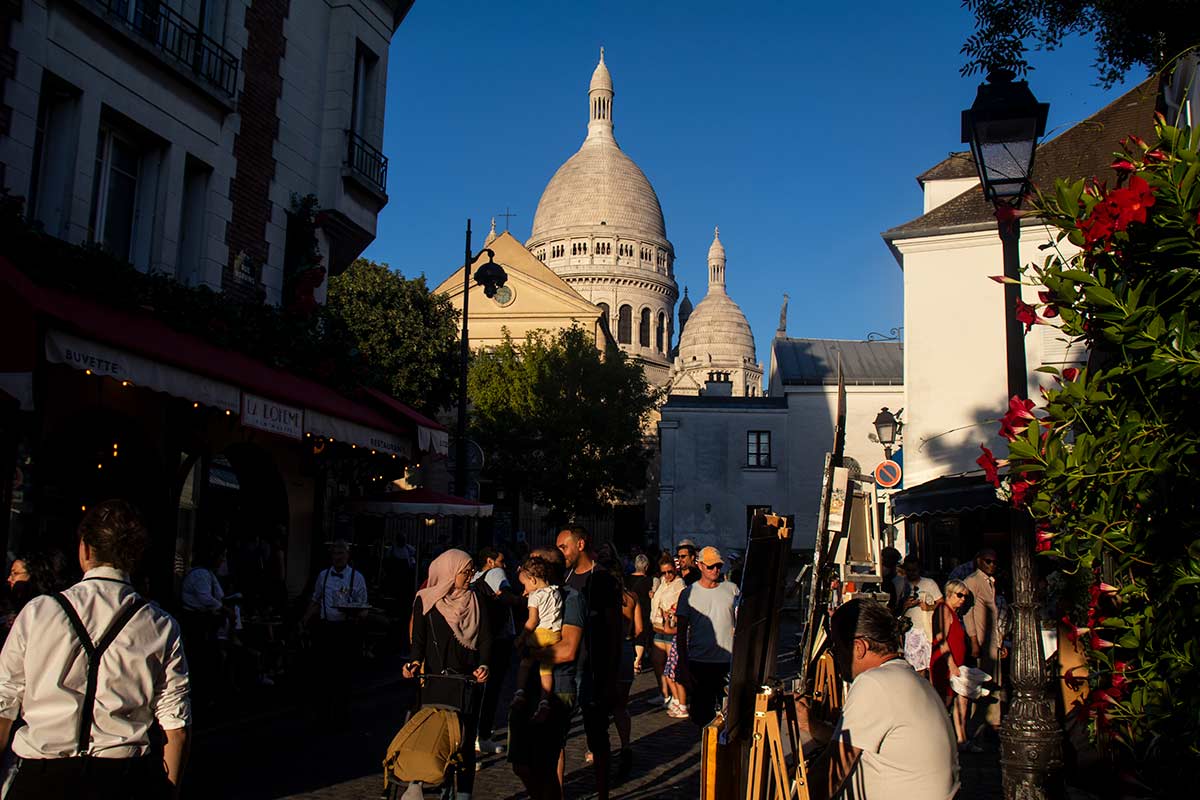
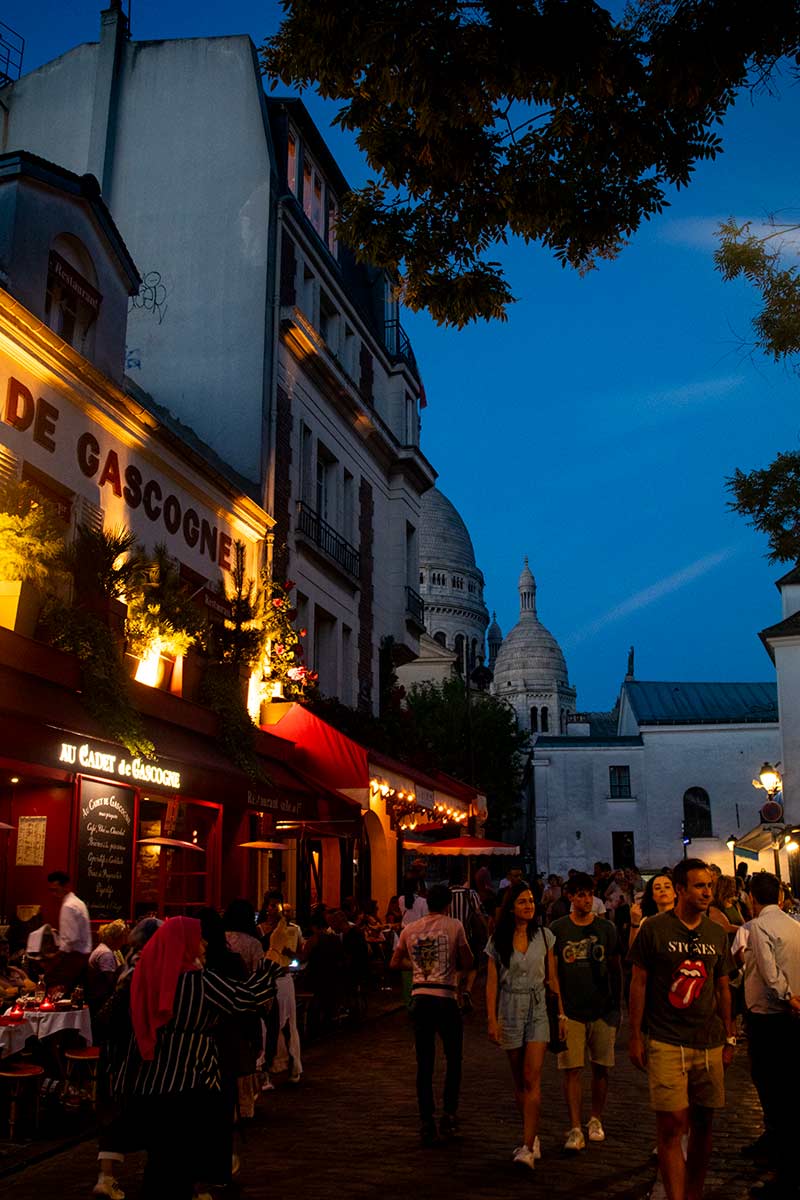
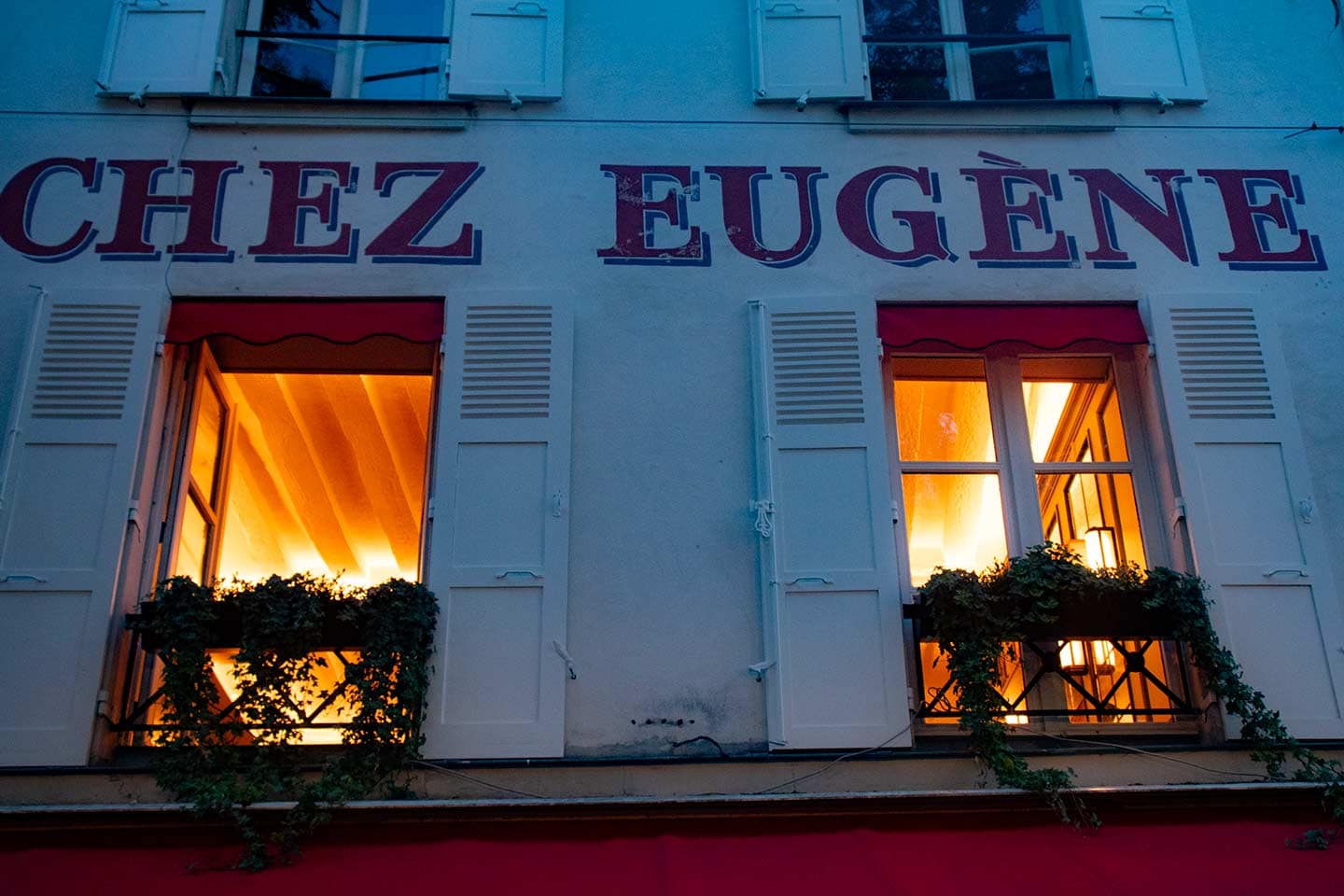
Place du Tertre, the lovely village square in the heart of Montmartre, is very different depending on what time of year you visit. In summer, the tables around the edge of the square with its famous cafes, including Au Cadet de Gascogne and Chez Eugene, are busy, and each restaurant occupies part of the centre of the square with tables under giant umbrellas. It’s a little reminiscent of a large canteen, sadly.
However, in autumn and winter the central tables and umbrellas are packed away for a few months, and the Place du Tertre can breathe again, and you can better appreciate its charms.
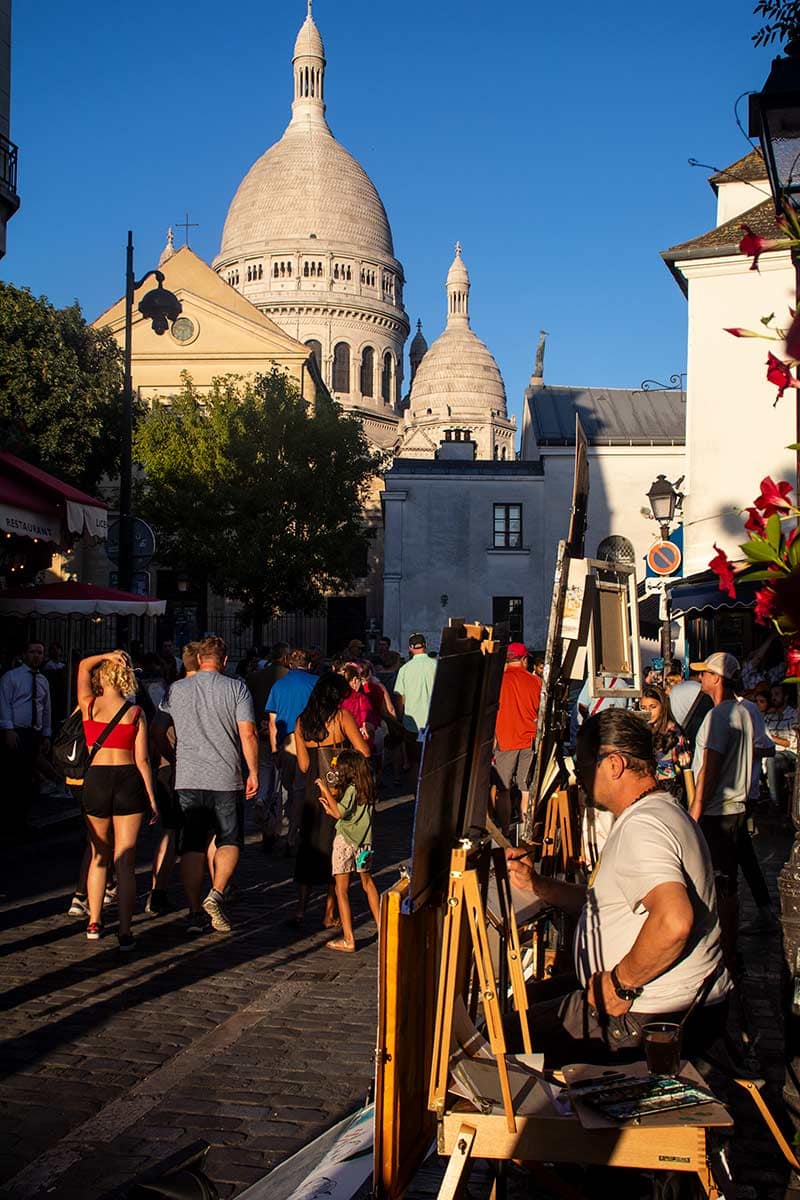
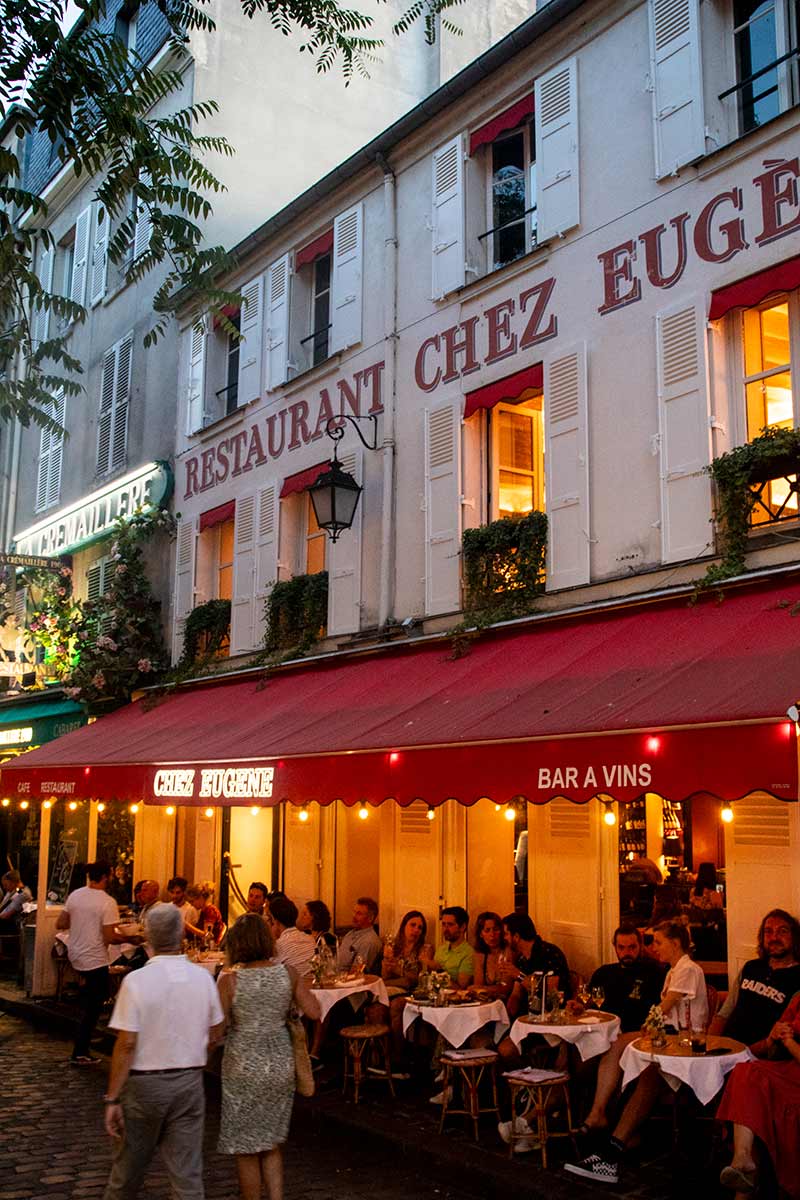
The square is renowned for its views of Sacré Coeur and the artists who paint and sell portraits, caricatures and Parisian scenes to passing visitors. The painters’ pitches on the Place du Tertre are highly sought after, with high standards of work demanded and sometimes a years-long waiting list. If an artist succeeds in winning a pitch, he or she has a square metre in which they can work, and must share it with another artist, using it on alternate days.
The artists work year-round, and winter is a more pleasant time to visit the square. Of course it’s overtouristed, but it can still enchant you.
Carrousel de Saint-Pierre
Wonderful traditional carousel at the foot of the Butte de Montmartre
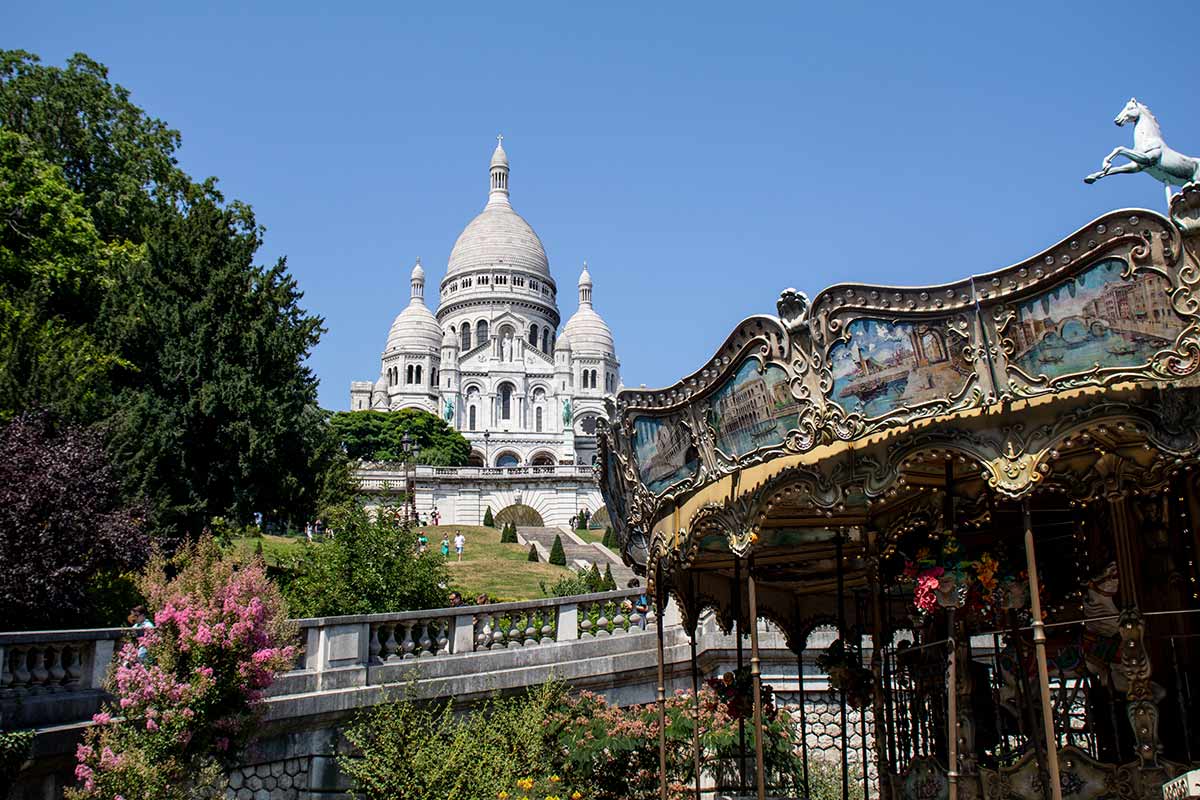
If you’re visiting Montmartre with kids, this carousel – in a beautiful spot with Sacré Coeur in the background – is an essential stop.
It’s one of the oldest Paris carousels, dating from the 1920s, and is the only double-decker carousel I’ve seen in the city.
Each Parisian carousel has a theme, and this one is decorated with paintings of Venetian scenes, which adds to the exotic feel of the ride.
It isn’t the best-maintained of the ten or so carousels in the city, but its setting – on Place Saint-Pierre – is up there with the best.
Au Lapin Agile
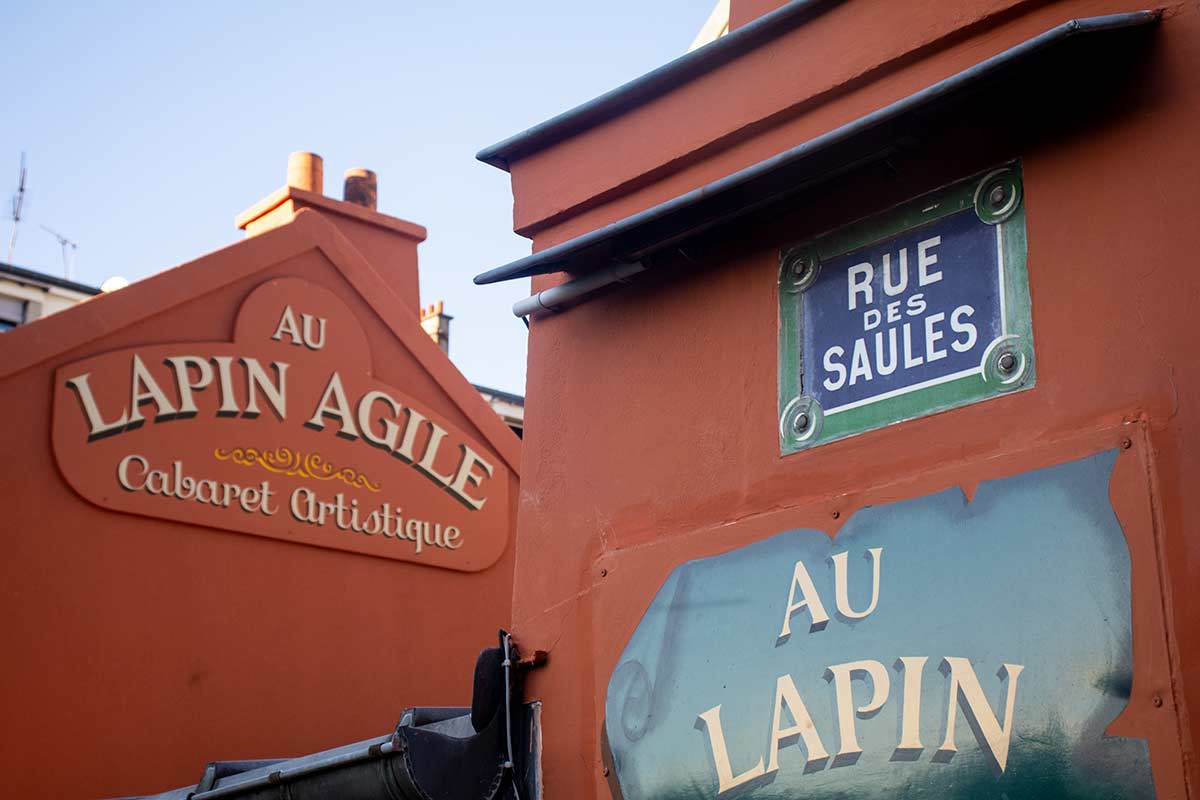
Au Lapin Agile – which translates as ‘At the Agile Rabbit’ – is believed to be the oldest cabaret in Paris. It’s located on Rue des Saules, just down the hill from the summit of the Butte de Montmartre on its northern side, and it became famous as an artists’ hangout around the turn of the 20th century, when it was frequented by the likes of Pablo Picasso, Maurice Utrillo and Amedeo Modigliani.
It was originally founded around 1860, when it was known as Au rendezvous des voleurs, the Thieves’ Meeting Place. It later became known as the Cabaret des Assassins, before artist André Gill painted a sign for the venue, with a rabbit leaping out of a saucepan balancing a bottle of wine. It became known as the Lapin à Gill (the Rabbit of Gill), before evolving to its present name.
Au Lapin Agile was also made famous by a Picasso painting of a musician and audience members in the club. It’s still in the same location, at 22 Rue des Saules, in an extended house painted orange with green shutters.
It hosts performances four nights a week, Tuesdays and Thursdays to Saturdays, between 9.00 pm and 1.00 am. Tickets include admission and a drink, which comes to €40 per person. You can reserve your tickets here, otherwise pay cash at the door.
It’s a very different experience to the Moulin Rouge. I went there once when I lived in Paris, and it was as much a singalong as a performance, with the audience joining in many of the songs. If you speak French you may appreciate it more, but it’s very warm and welcoming, one of the most enjoyable things to do in Paris.
Rue de l’Abreuvoir and La Maison Rose
One of the most beautiful streets in Paris, with a gorgeous view of Sacré Coeur
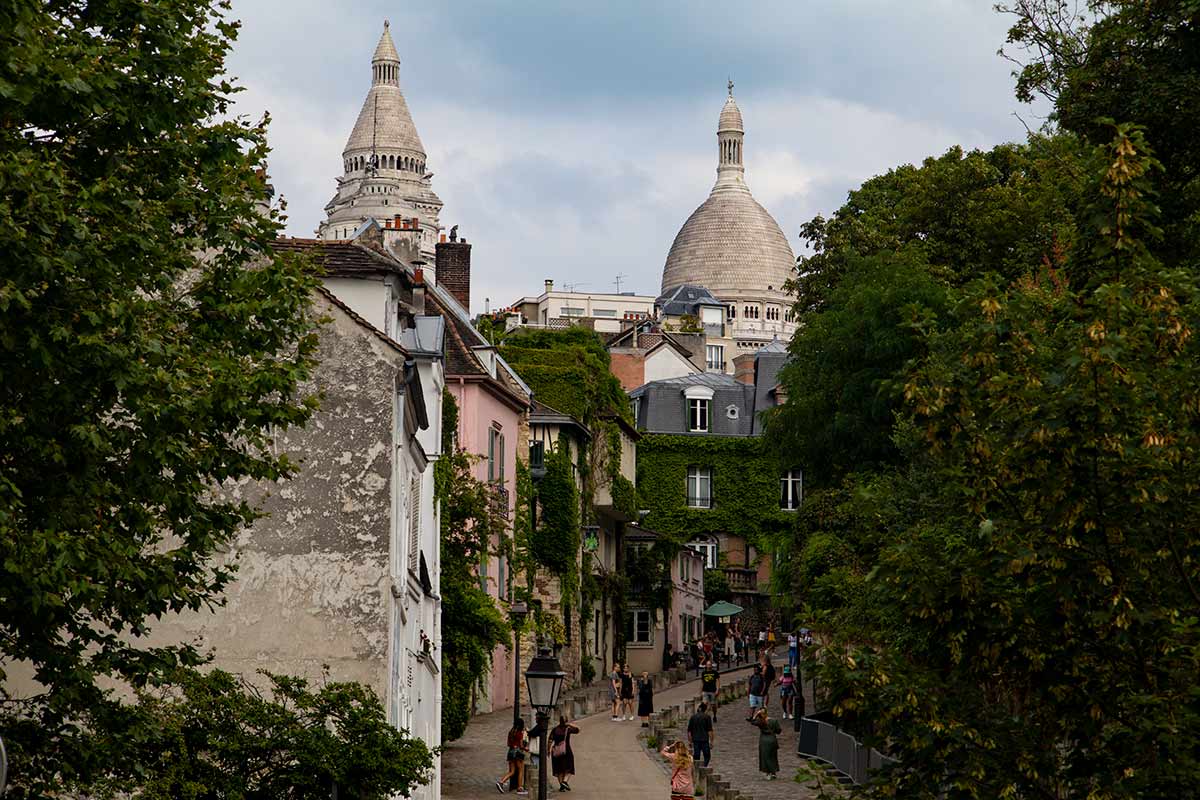
Rue de l’Abreuvoir, barely 150 metres long, is one of the most beautiful streets in Paris. Stand near the bust of singer Dalida (see following section) for the best view, looking up past ivy-covered old houses to the domes and tower of SacréCoeur above.
The street is believed to be around 700 years old, dating back to the 14th century. Its name – abreuvoir – mean water trough, suggesting that one may have been there when part of the Butte de Montmartre would still have been farmland.
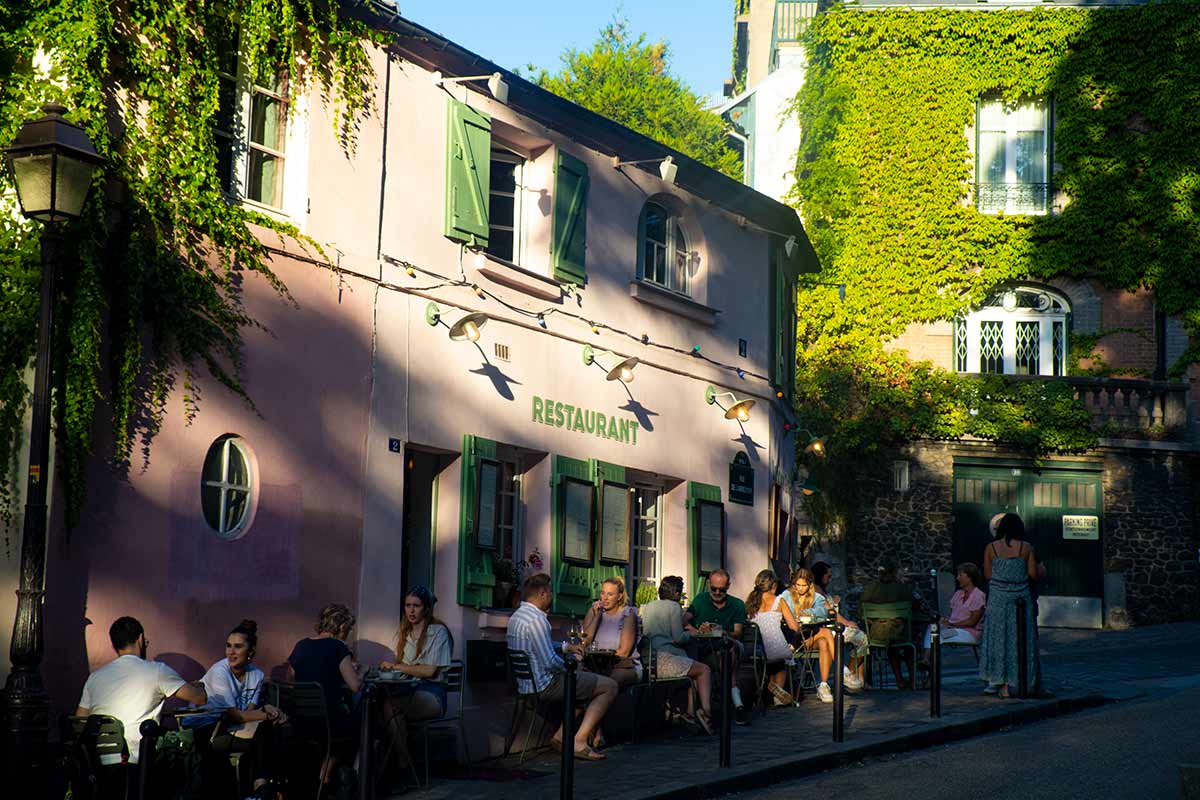
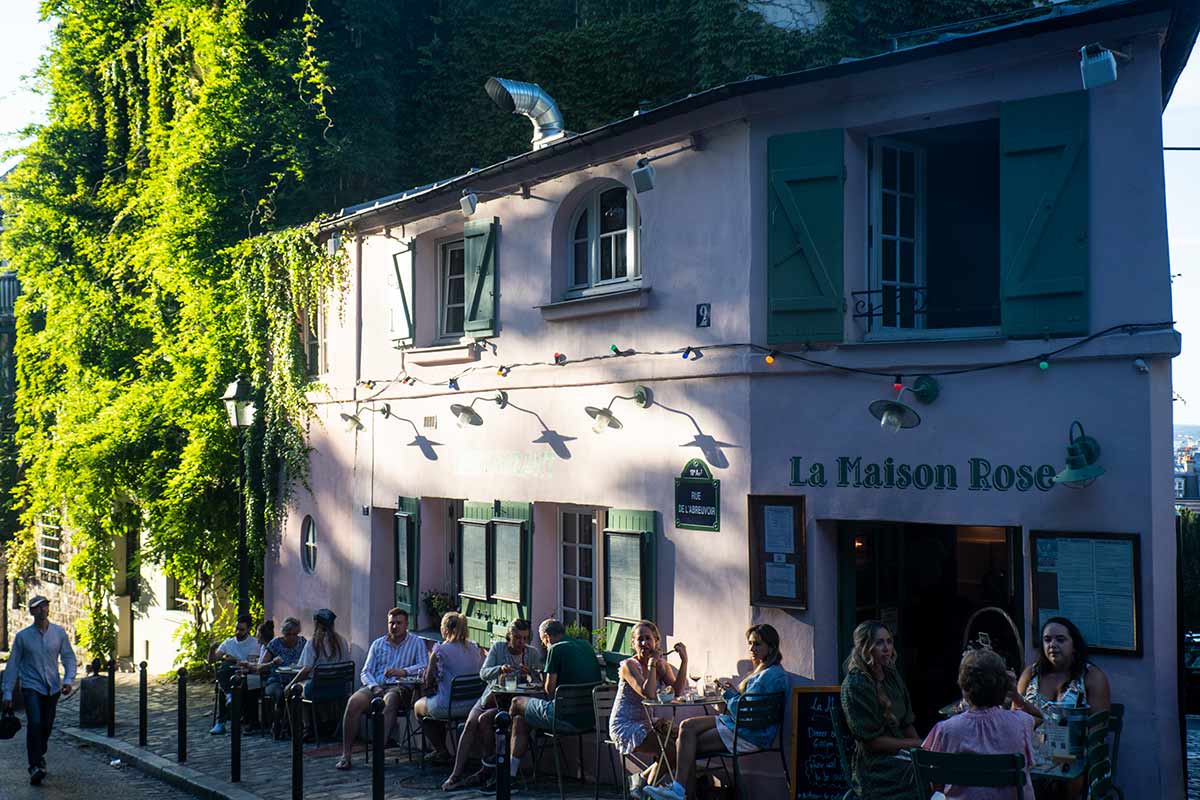
Perhaps unsurprisingly, Rue de l’Abreuvoir is rich in art history. Pablo Picasso and Salvador Dali visited La Maison Rose (‘the pink house’) restaurant numerous times, and local artist Maurice Utrillo also famously painted it. It’s a beautiful building, with pink walls and green window shutters, which it’s hard not to photograph when walking past. Don’t bother resisting. It also houses a mid-range restaurant, one of the best-known Montmartre restaurants.
Just down the hill, Impressionist painter Camille Pissarro resided at number 12.
Dalida Statue
Bust of famous chanteuse who lived nearby in Montmartre
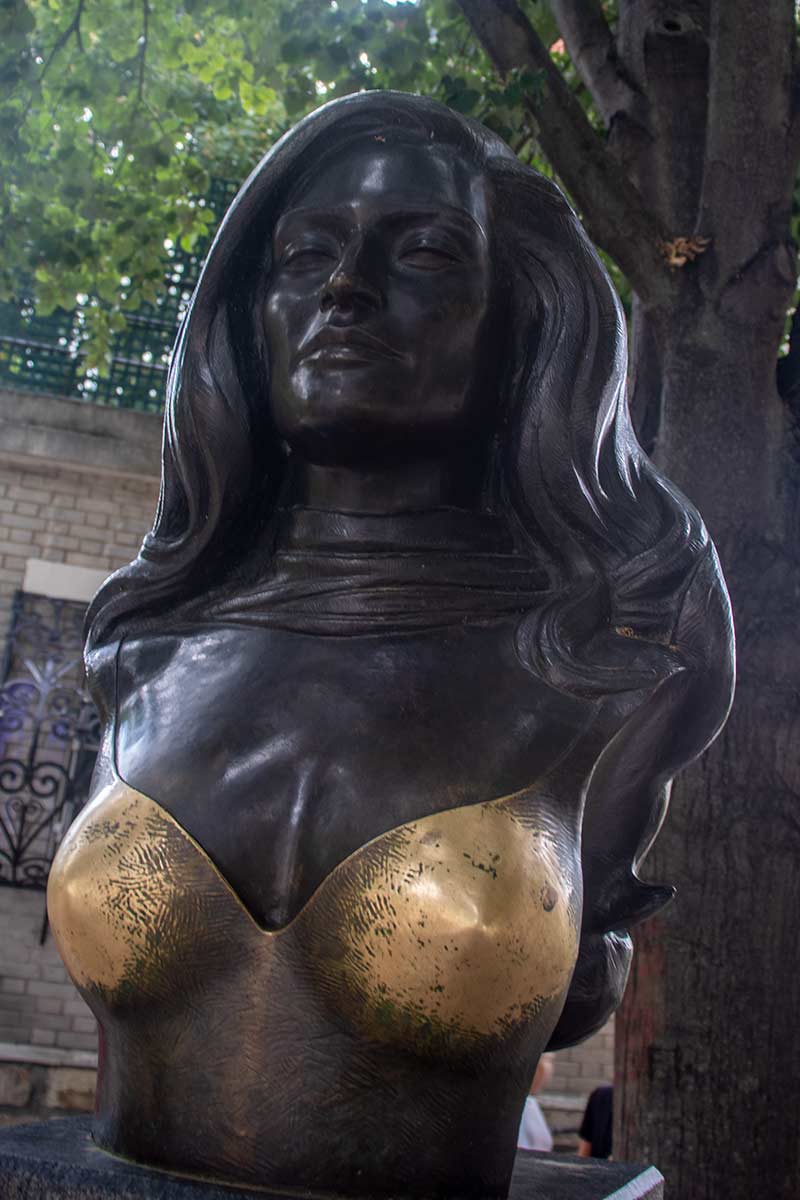
Egyptian-born singer and actor Iolanda Gigliotti – better known by her stage name, Dalida – was a major star across much of Europe and the Middle East from the 1950s to the 1980s, though she isn’t as well-known to English-speaking audiences.
She lived around the corner from this bust of her (on Place Dalida) on Rue d’Orchampt, but fought with depression for many years, partly because of three partners committed suicide.
This bust of her – by Alain Aslan – was inaugurated in 1997, a decade after her own death by suicide. Her breasts are a different colour to the rest of the sculpture, a result of having been touched so many times by visitors over the years. Almost 40 years on, I prefer to hope she rests very much in peace.
St Denis Statue
A traditional take on the beheaded patron saint of Paris
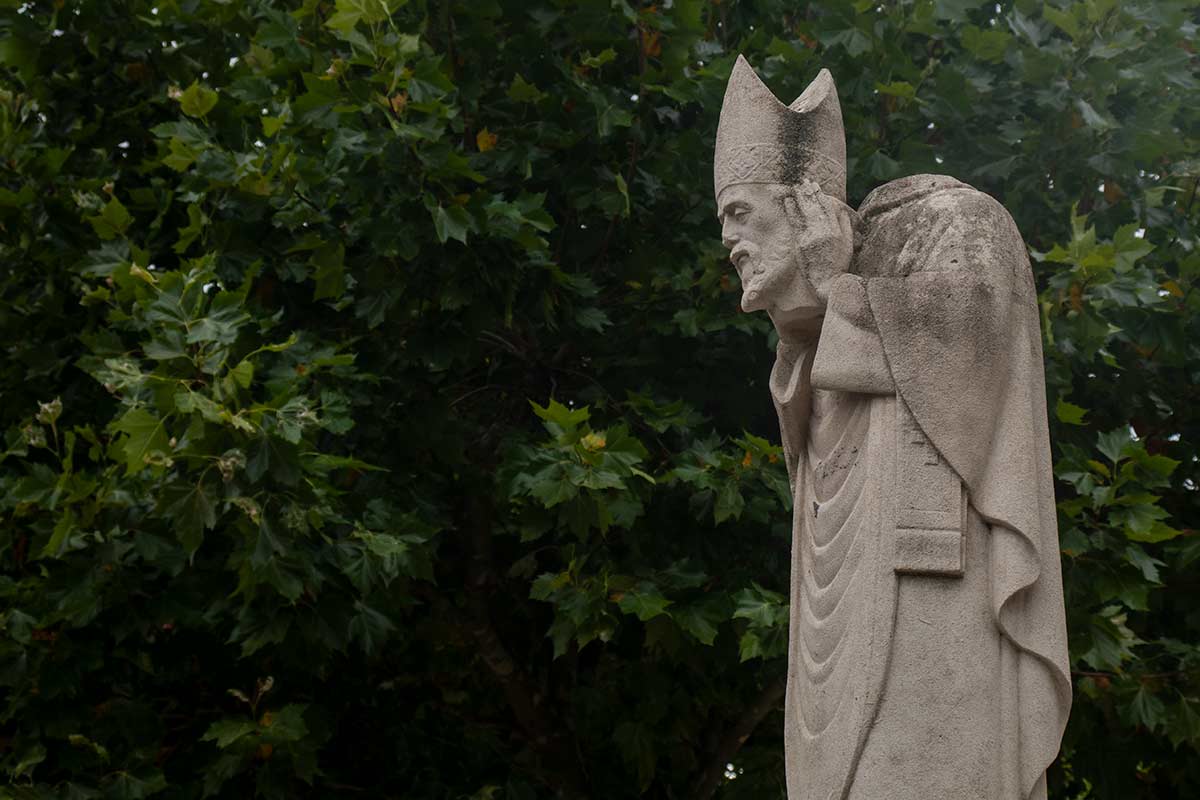
Square Suzanne Buisson, off Avenue Junot and Rue Girardon, is one of the loveliest parks in Montmartre, a quiet garden with a few benches and this notable sculpture of the patron saint of Paris, St Denis.
Denis is believed to have been beheaded around 270 AD, a common punishment for Christians who persisted with their beliefs in the 3rd century AD. He is traditionally the first bishop of Paris.
According to tradition, after Denis was beheaded, he picked up his head and walked around 4 miles with it, stopping en route at a fountain to clean his detached head. It’s said that this fountain may have been at the site of the fountain on Square Suzanne Buisson, above which stands the statue of the saint holding his head, with his mitre (bishop’s headwear) still attached.
St Denis has long been portrayed like this, with a statue of him on the west portal of Notre Dame de Paris also holding his head, and there is also a similar depiction of him in a sculpture in the superb Cluny Museum Paris. He was also shown in paintings like this throughout the Middle Ages, and beyond.
Eiffel Tower Views From Montmartre
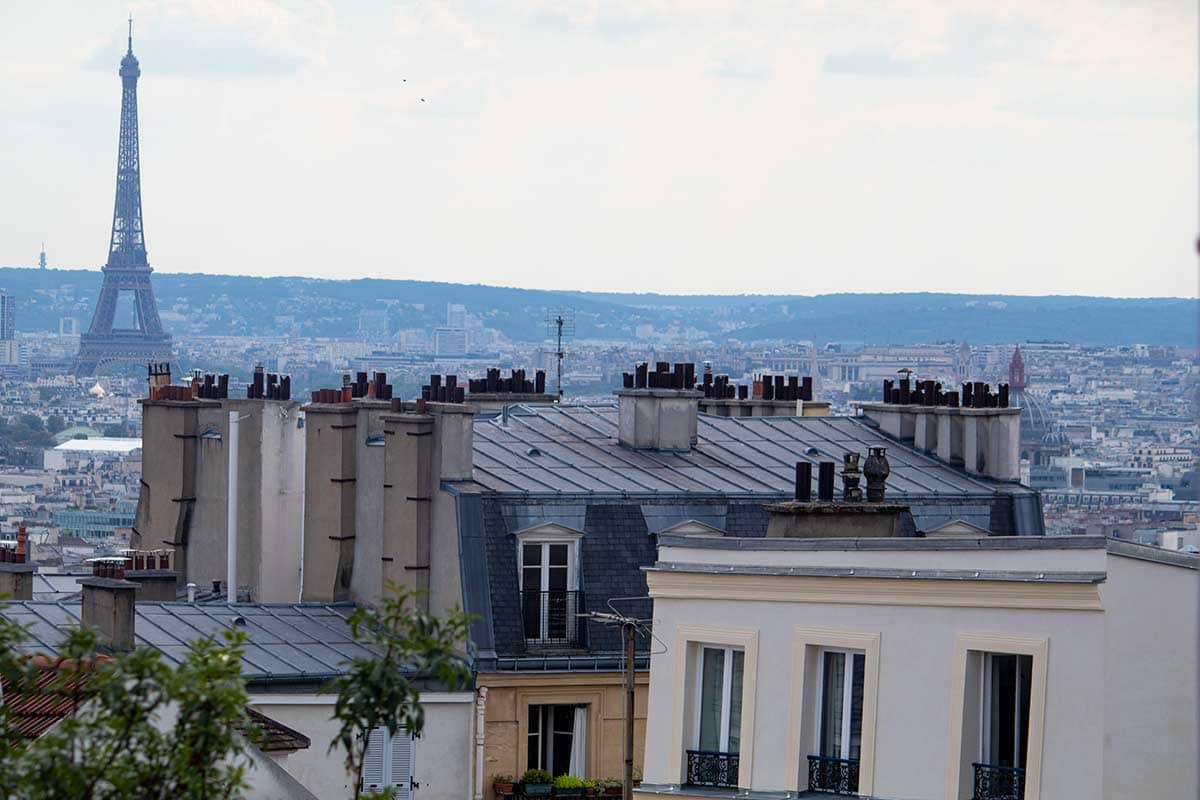
Montmartre is renowned for having some of the best Eiffel Tower views, but here’s a small tip – you need to visit Paris at a certain time of year to enjoy them at their best.
There are several places from which you can see the Eiffel Tower in Montmartre, but if there’s foliage on the trees, it’ll impede your view of the Iron lady.
The image above is one of the best angles I was able to find during my recent extended summer visit. But winter – with no leaves on the trees, and a clear sunset on a frigid cold day with warm colours in the sky – is the best time to see and photograph the Eiffel Tower from Montmartre.
And the closer you are to the winter solstice (21st December) the better.
Bateau Lavoir
Site of the great artists’ hub of the early 20th century
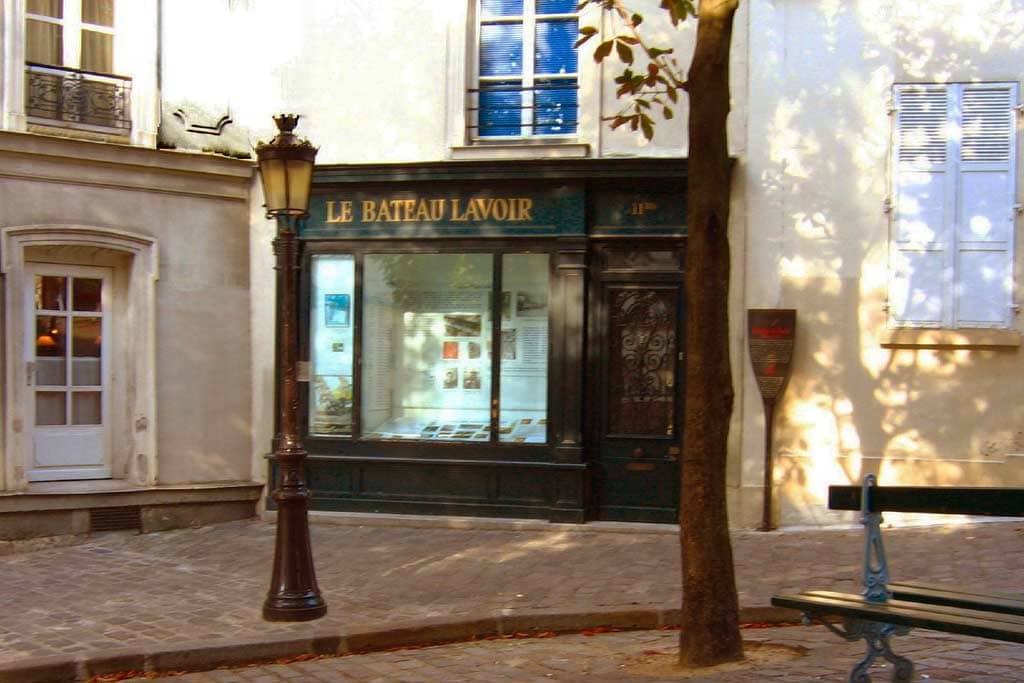
The Bateau Lavoir was a building in Montmartre where many artists lived and worked in the late 19th and early 20thcenturies.
Its name means ‘laundry boat’, and it was a former factory which was taken over by squatters, then divided into 20 units. These were taken over by artists, writers and other creatives, including Picasso, Modigliani, Georges Braque and Guillaume Apollinaire.
The dilapidated original building survived until 1970, when it burned down. It has since been replaced, and there’s a small display in the window of the building next door.
The address of Bateau Lavoir is 13 Rue Ravignan, on Place Emile Goudeau.
Moulin de la Galette
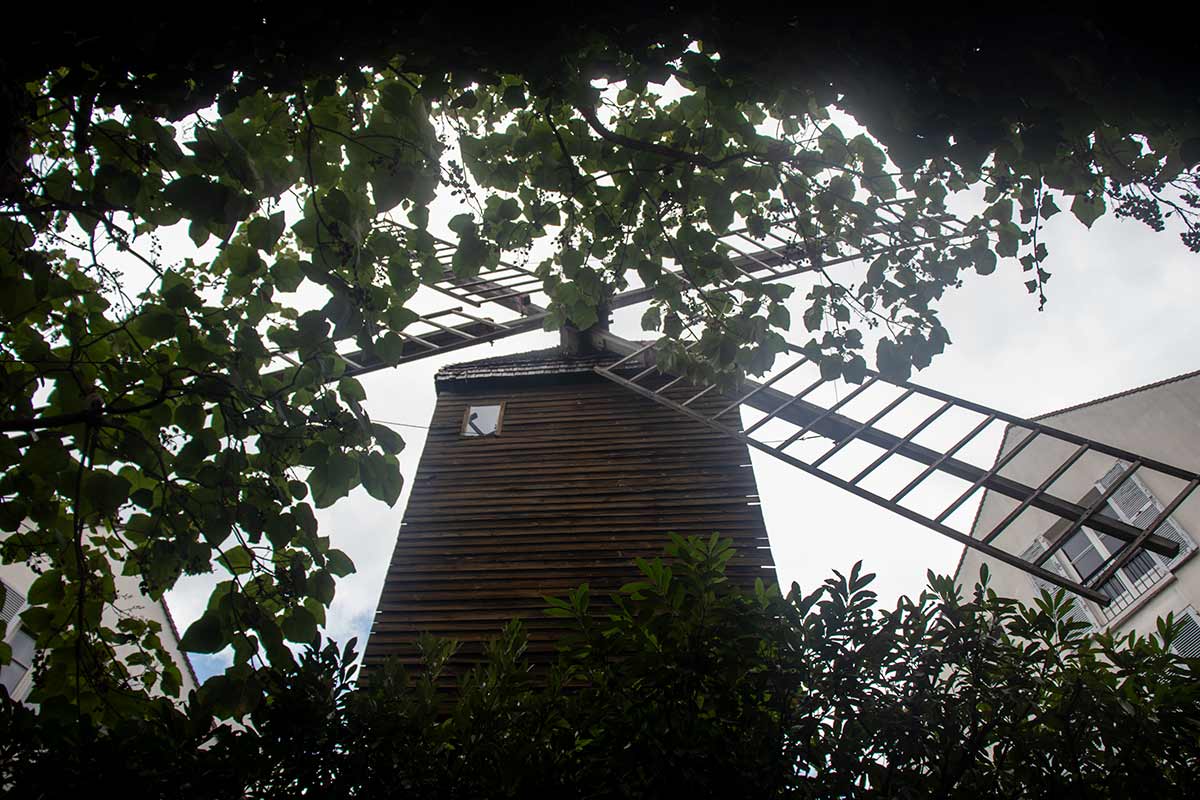
The Moulin de la Galette is one of the oldest and best-known Montmartre landmarks, and a major part of the area’s art history.
This wooden windmiil has been here since 1622, and it’s named after the galette, which is a buckwheat crepe or pancake in Brittany and a flat brown-bread cake or pie elsewhere in the country.
The grounds around it were turned into a guinguette, an open-air café, in the 19th century, where the standard offering was a galette and drink (sometimes a glass of milk).
It has been painted by many artists from Montmartre and beyond, including Pierre-Auguste Renoir, Toulouse-Lautrec, Picasso, local resident Maurice Utrillo and Vincent van Gogh.
Nowadays it’s still open as a restaurant, but the windmill hasn’t turned its sails since I first saw it in the 1980s.
Montmartre Museum – Le Musée de Montmartre
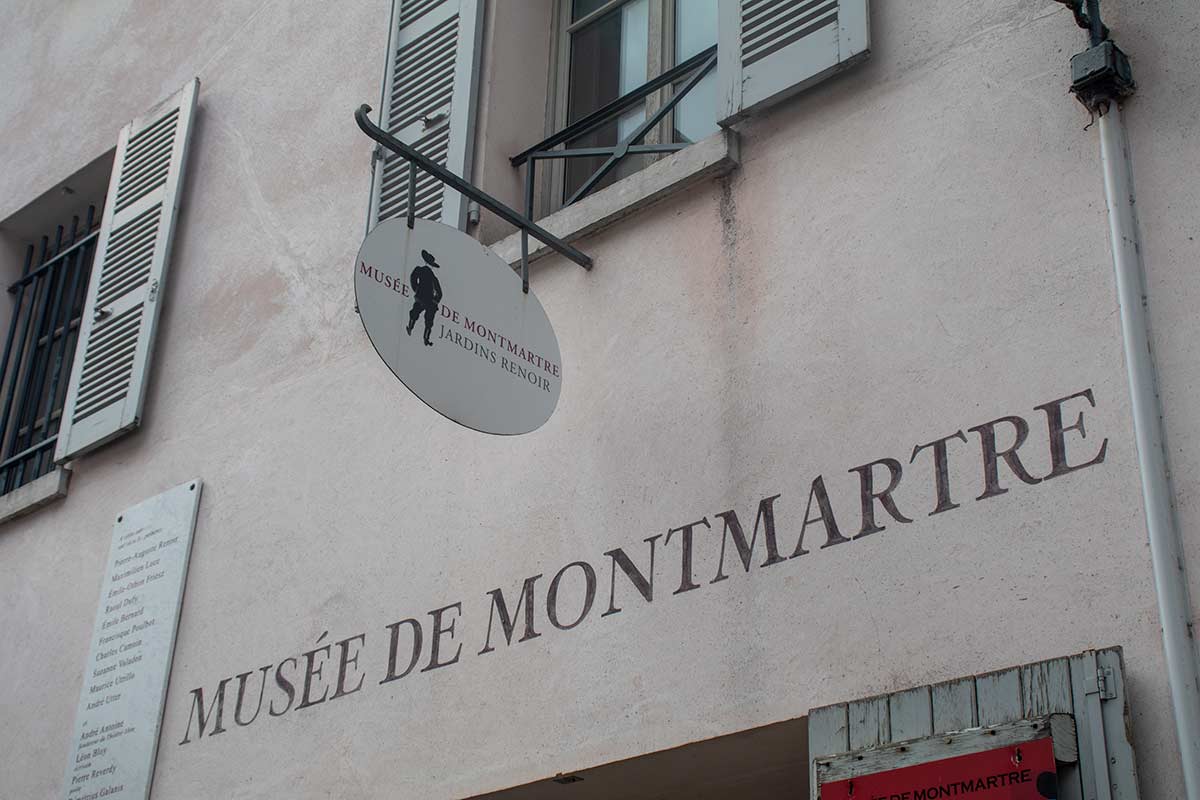
Visiting this Museum is one of the essential things to do in Montmartre, particularly if you want to delve a bit deeper. In this article I cover many different strands of Montmartre’s history and artistic past, and the Musée de Montmartre is the one place in the area that brings them all together – and it does so marvellously.
There’s a great exhibition on Montmartre’s history, including forgotten and lost sights including its old windmills, and old photographs and paintings bring them back to life.
I particularly enjoyed the sections on the lost Montmartre Abbey and the Paris Commune, of which Montmartre was one of several strongholds during the short-lived socialist uprising.
There’s also lots of information on Montmartre’s artistic heritage, from the celebrated Chat Noir cabaret, and the iconic posters depicting this and other cabarets including the Moulin Rouge. There’s also a recreated atelier (studio) based on one shared by Suzanne Valadon, Maurice Utrillo and André Utter.
The Museum is open daily, from 10.00 am to 7.00 pm from March to September, and until 6.00 pm October to February. Admission is €16 for adults, and you can book your tickets here.
Le Clos de Montmartre
The only vineyard left in Montmartre
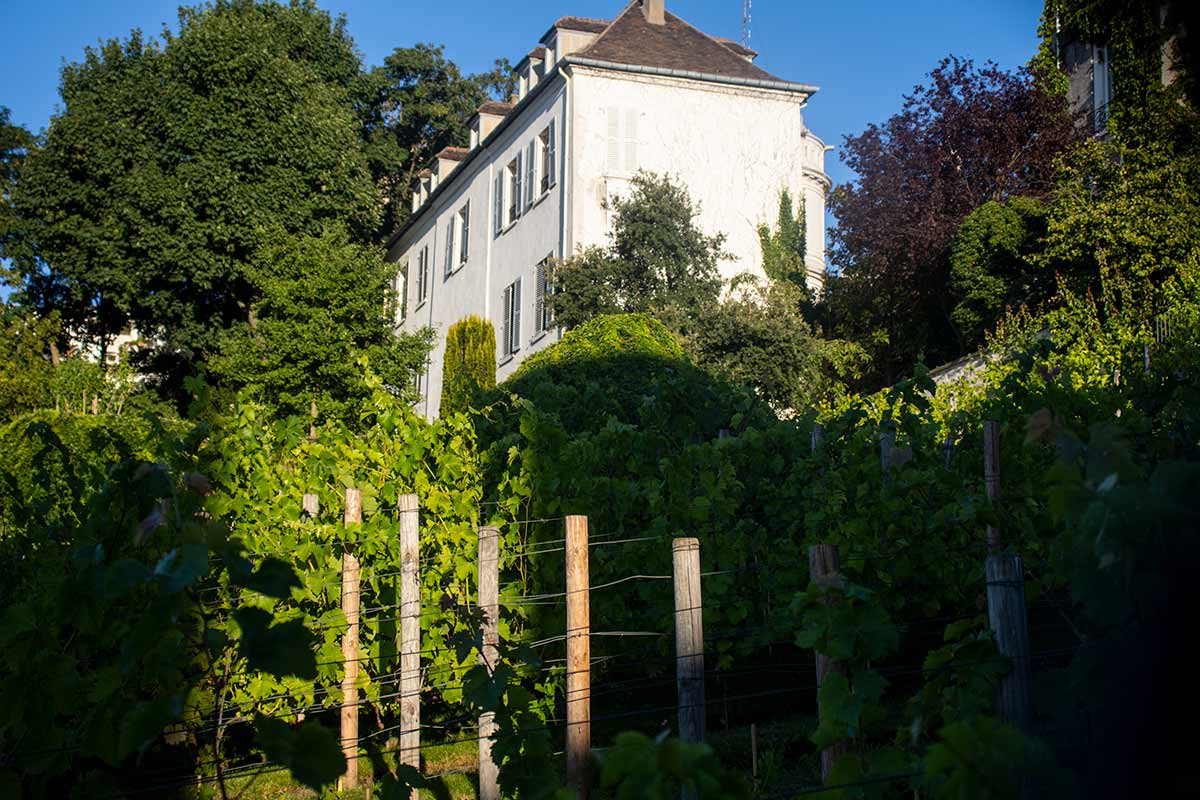
Wine has been produced on the slopes of the Butte de Montmartre for the best part of a thousand years, and this began under the auspices of the long-gone Abbey of Montmartre. There were several other vineyards in the district, but as the sprawl of Paris spread, all but this one disappeared within a few decades.
The Clos de Montmartre was replanted in the 1930s on land that had been left fallow and untended for over 20 years. It’s visible from the rue des Saules and rue Saint-Vincent.
It only produces around 1,000 bottles a year and many of these are auctioned off with the proceeds going to local charities. I’ve never tasted wine from Le Clos de Montmartre, but most reviewers express the opinion that it’s not exactly a vintage, but a worthy vin de table.
The vineyard is usually closed to visitors, but the Musee de Montmartre runs occasional tours, and it’s open for the Fête des Vendanges (wine harvest festival) for a few days in October.
Café des Deux Moulins
Setting for part of the wonderful 2001 movie Amélie
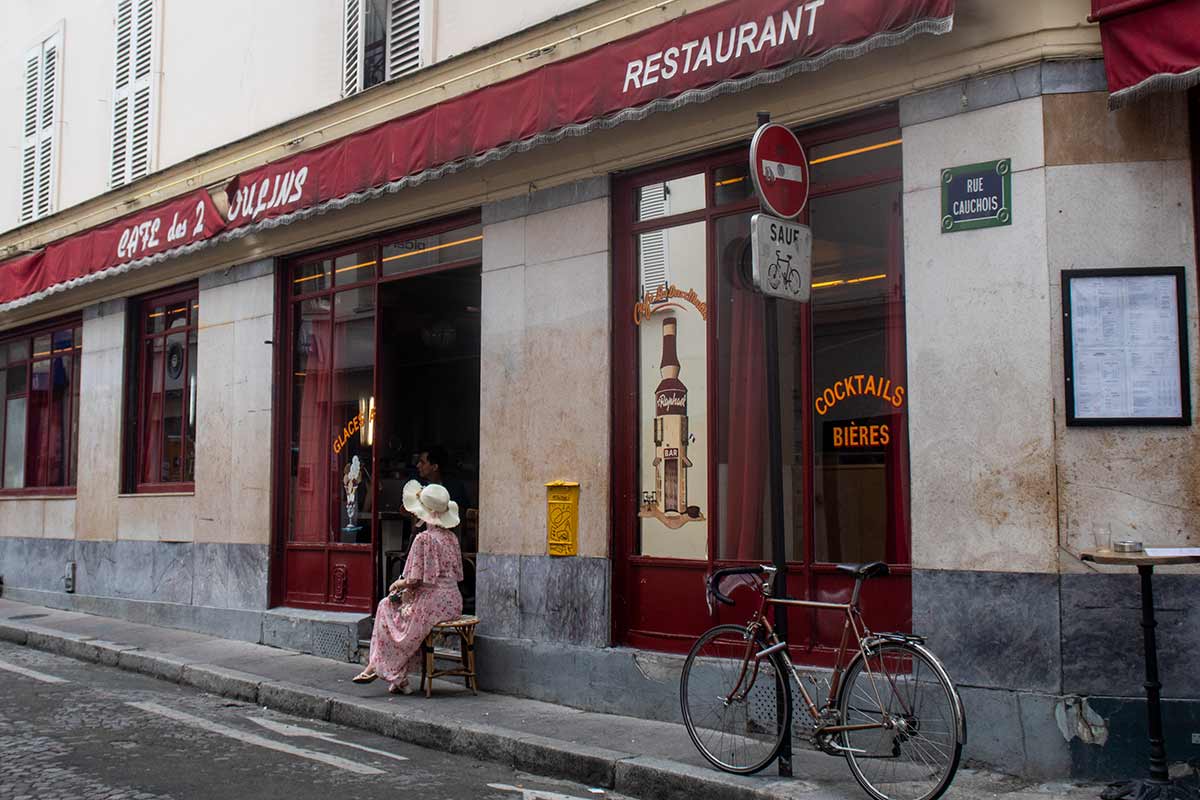
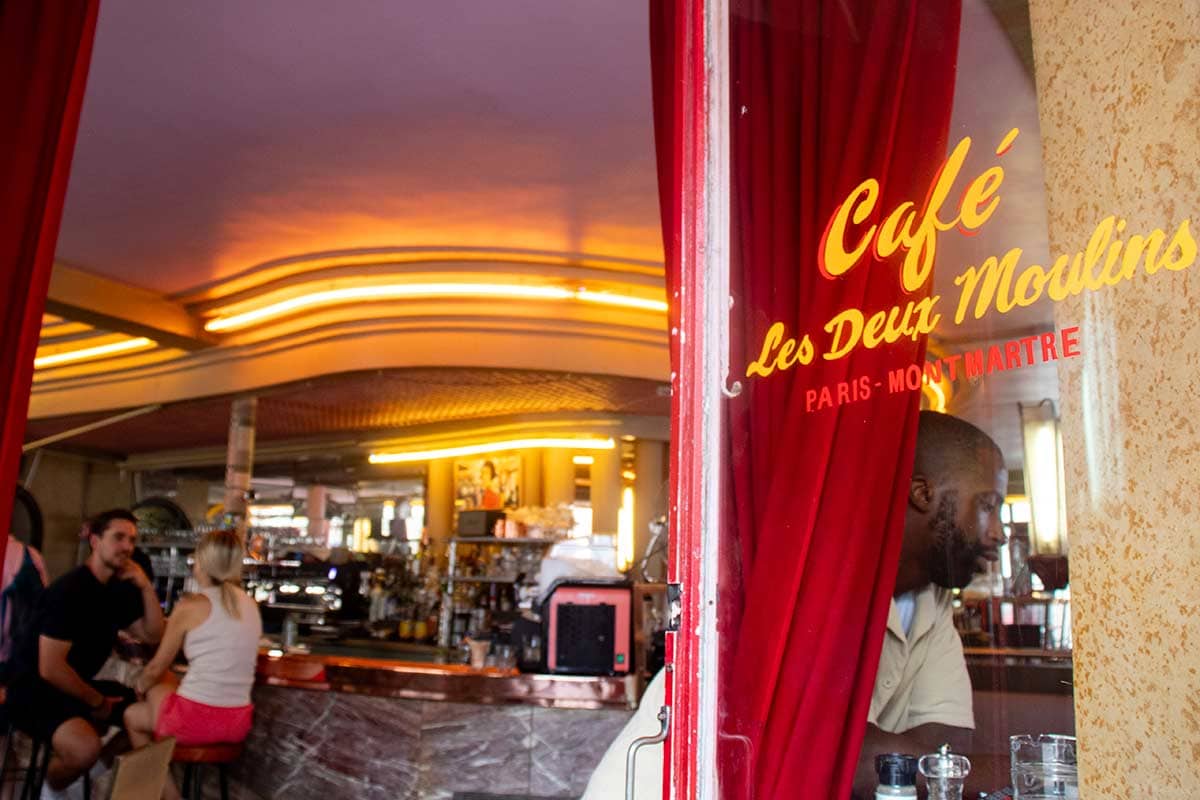
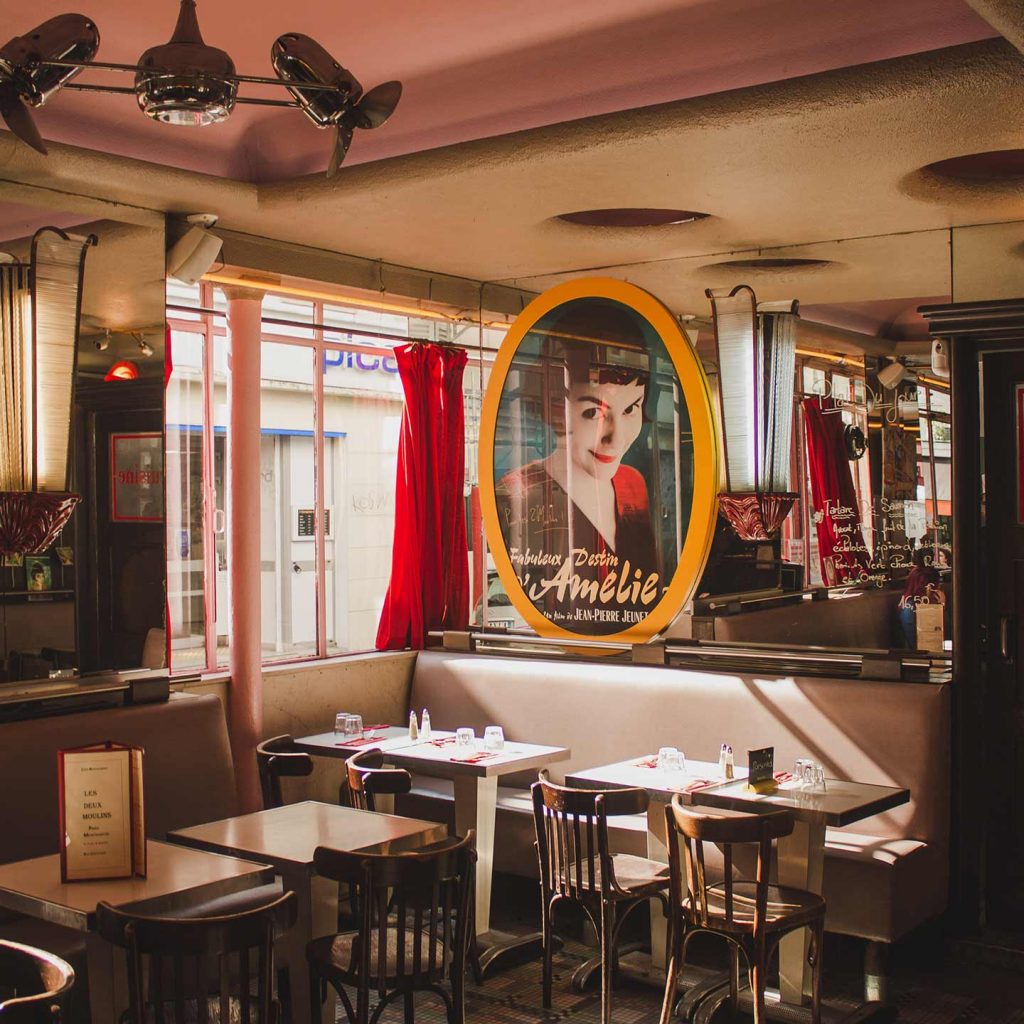
If you’ve seen the superb Jean-Pierre Jeunet-directed movie Amélie, you’ll be familiar with the Café Les Deux Moulins where the film’s protagonist, played brilliantly by Audrey Tautou, works for a living.
Amélie Poulain is a quirky, likely neurodiverse soul who relishes anonymously doing good deeds for others, but who deserves a good turn or two herself in return. The movie is 25 years old now, but is one of the best movies set in Paris which would make you want to visit the city, especially Montmartre where most of it is set.
The Café Les Deux Moulins is real, and can be found on the left-hand side of Rue Lepic, a block up the hill from Blanche Metro and the Moulin Rouge cabaret theatre. I had to stop at the bar for an espresso to pay my personal homage. They also serve the usual French café classics including croque monsieur and steak frites.There’s also a portrait of Amélie in the café’s side room.
Rue Saint-Rustique
One of the oldest streets in Paris, and also one of the most picturesque
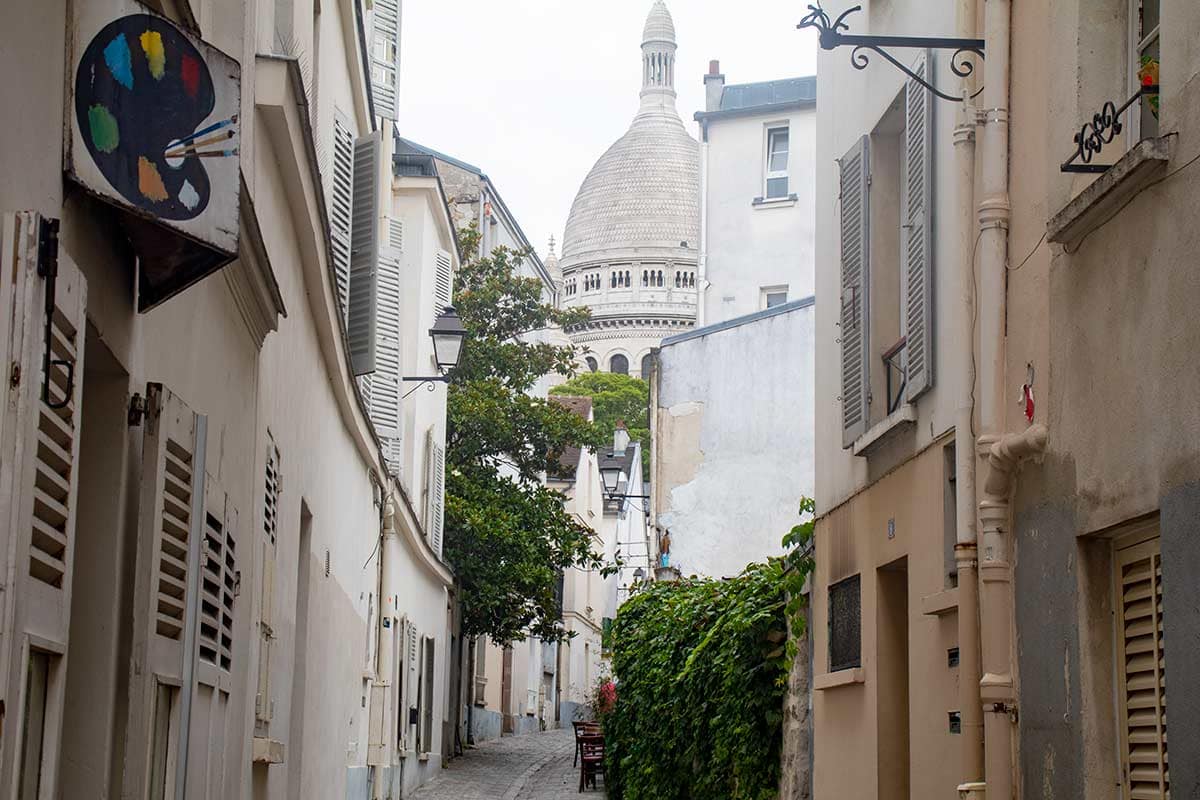
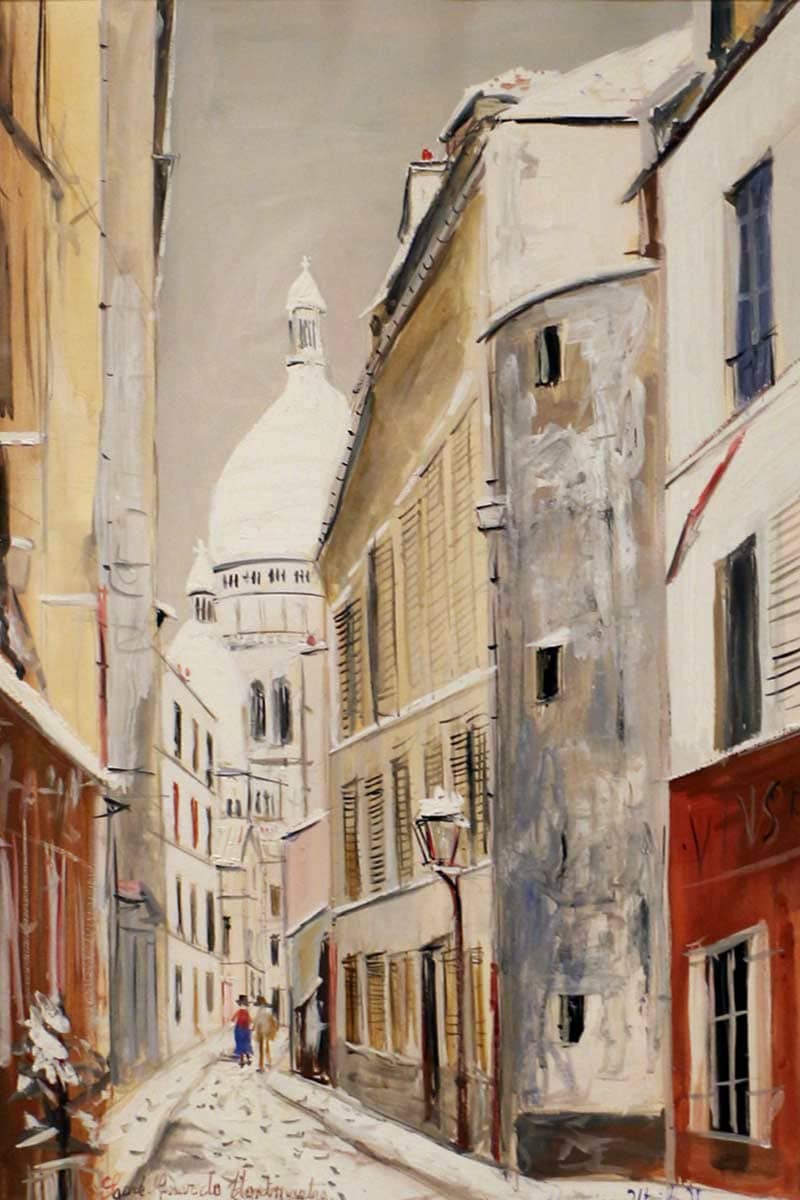
Rue St Rustique is one of the oldest streets in Montmartre, and also Paris, though the former is likelier than the latter. It’s just a block away from the Place du Tertre, but feels away from the busy main square of Montmartre. It’s essentially a backstreet, a shortcut to avoid the crowds, and the reward is the lovely view of the dome of Sacré Coeur framed by the shuttered houses either side. It has inspired many artists over the last century and more, including Maurice Utrillo, a nearby resident. One of his interpretations of the street is immediately above this paragraph.
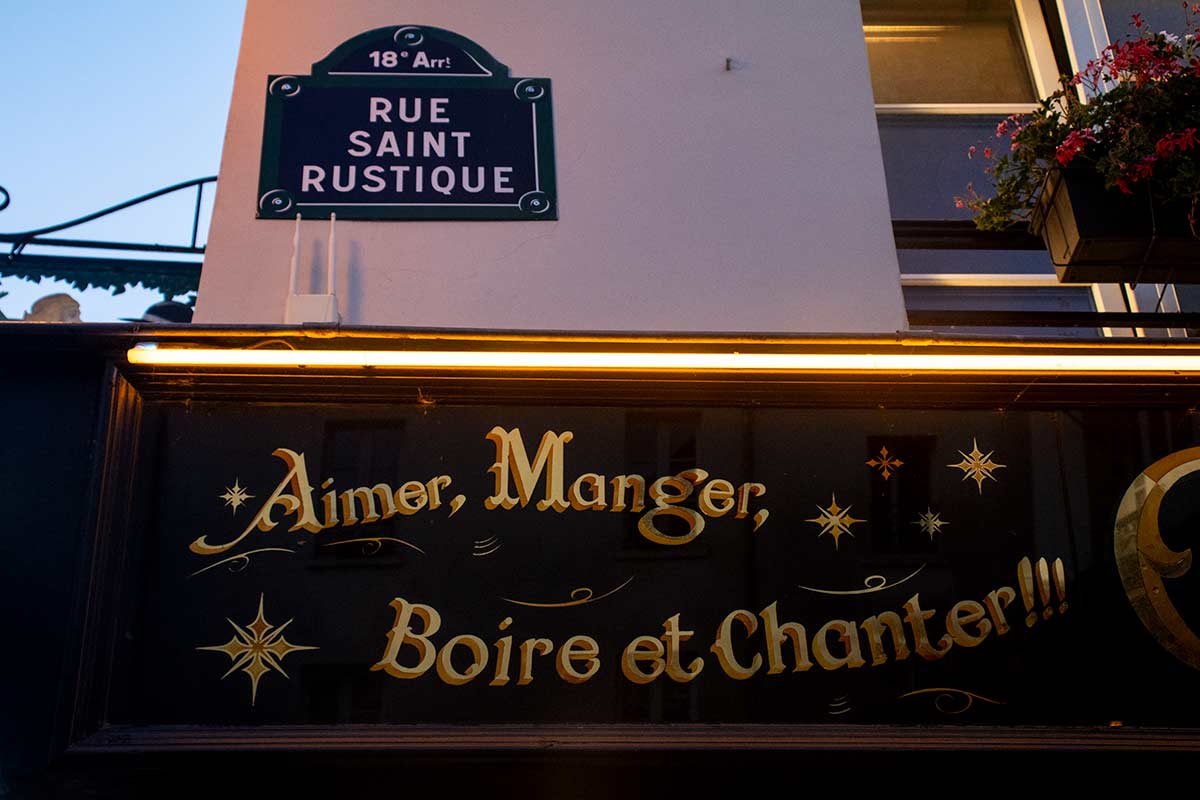
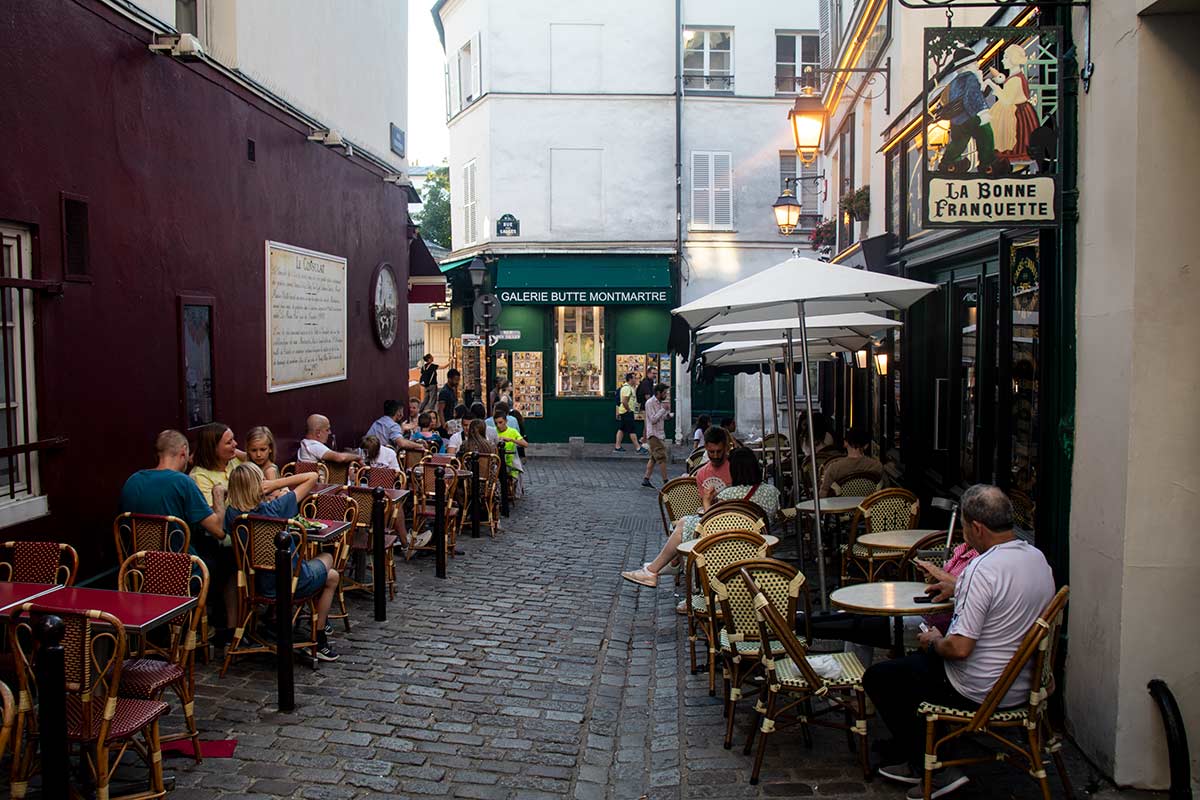
The street is named after St Rustique, who is believed to be an early Christian martyr who may have been killed at the same time as the better-known St Denis, patron saint of Paris. The hilltop village of Montmartre is believed to be around a thousand years old, and it’s possible that this narrow street dates from this time. We know that it was called Rue Notre Dame in the 16th century and that it was renamed Rue St Rustique in the 19th century.
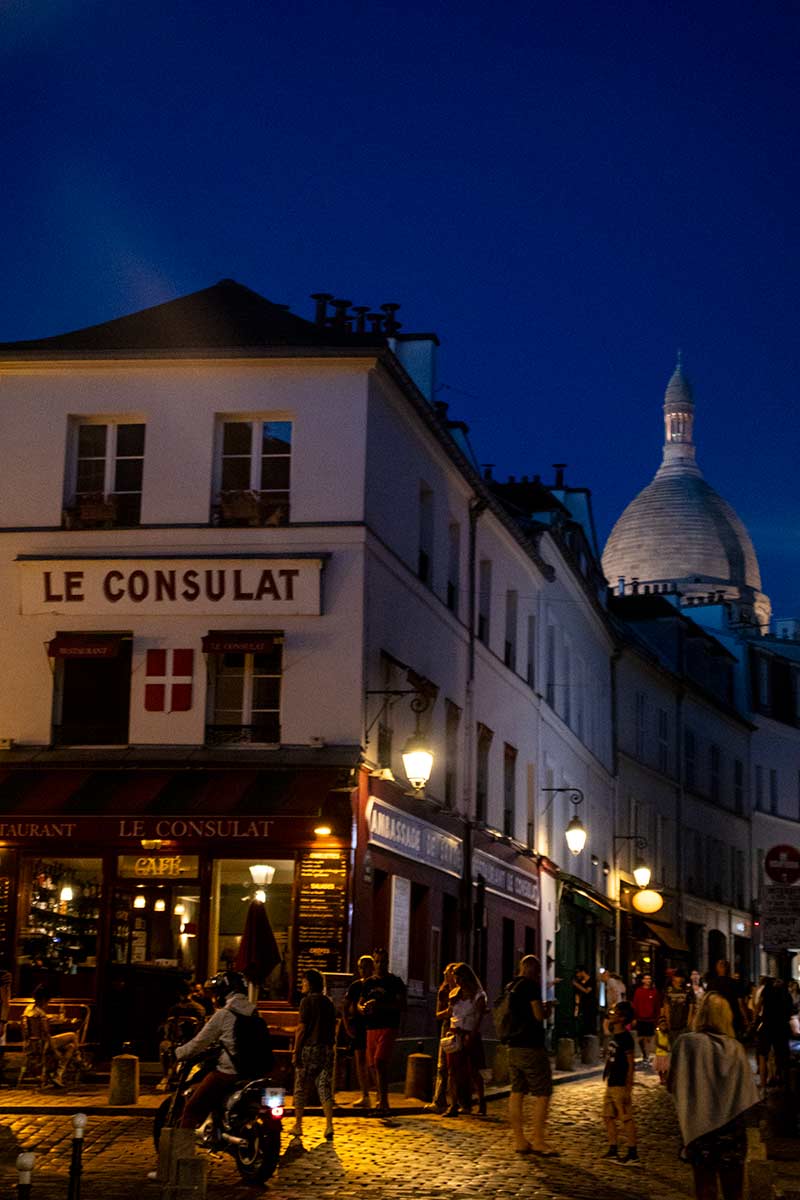
The western end of the street is home to two of the most famous Montmartre restaurants, Le Consulat and La Bonne Franquette.
Stepped Streets of Montmartre
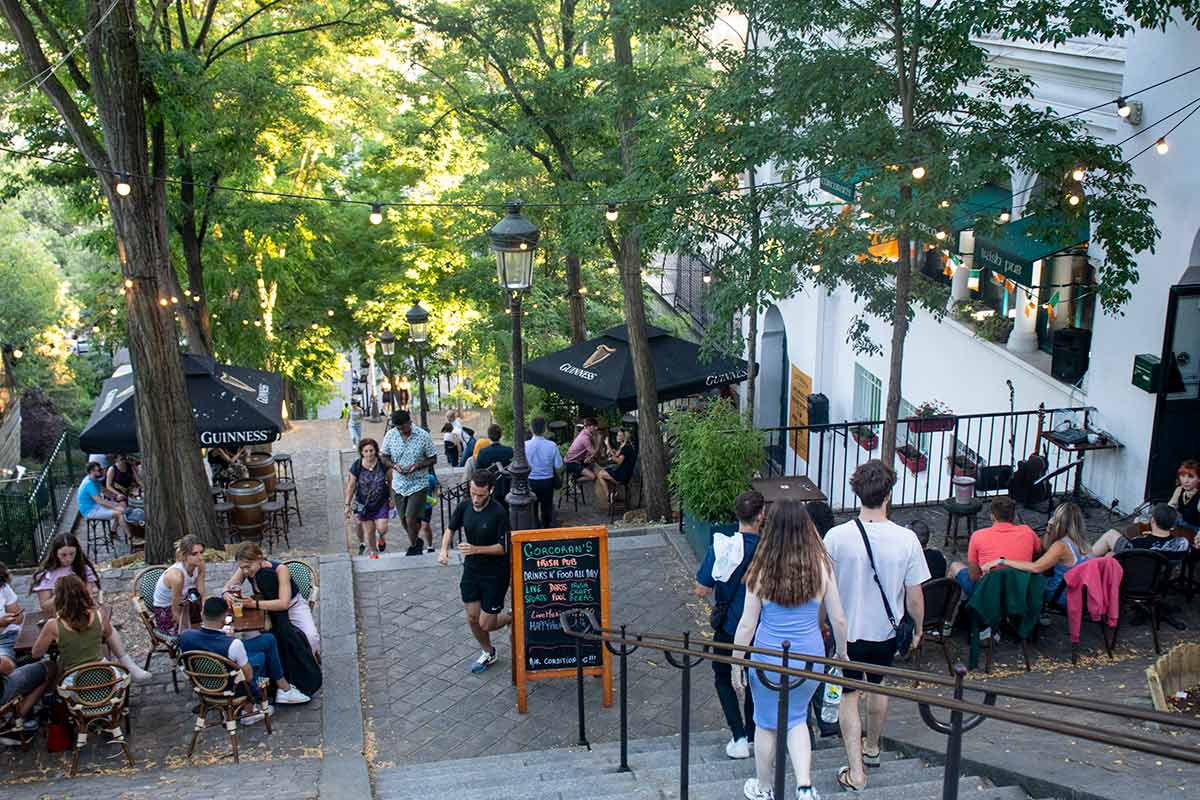
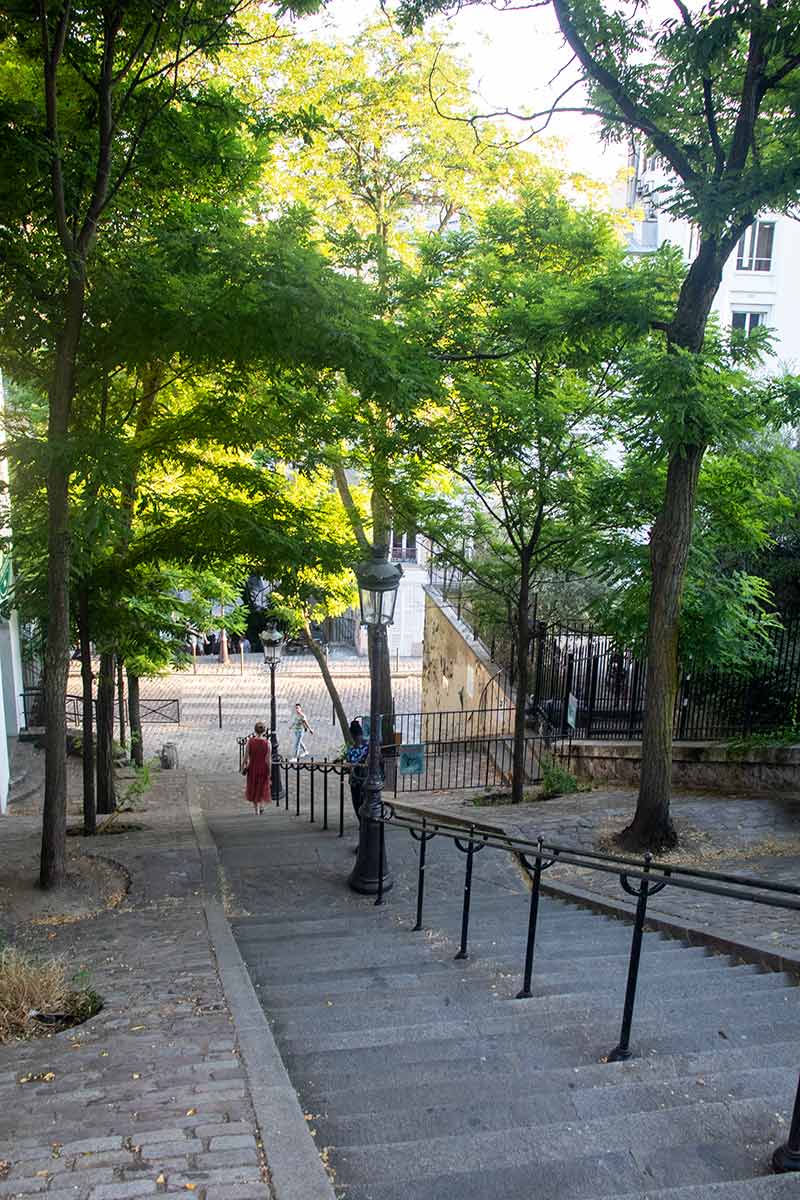
The stepped streets (escaliers) of Montmartre are one of the area’s most evocative sights. The village-like district is located on a fairly steep hill, and you can reach it by funicular, Metro or bus, but you’ll almost certainly have to climb a steep street or two during your visit.
The longest and best-known of these is Rue Foyatier (pictured), which runs alongside the Montmartre funicular, and the 222 steps are a far healthier way to climb the hill than the railway next door! Sections of Rue Chappe and Rue Drevet are also on the south side of the hill, both a short distance from Sacré Coeur and Place du Tertre.
There are plenty more stepped streets on the northern side of the Butte de Montmartre. From Place Dalida (see below), Rue Girardon runs downhill from the statue between two school buildings towards Caulaincourt. There’s also a longer set of backstreet staircases leading up the hill from Square Caulaincourt to Avenue Junot.
All in all, a wonderful way to see and experience Montmartre.
St Pierre de Montmartre
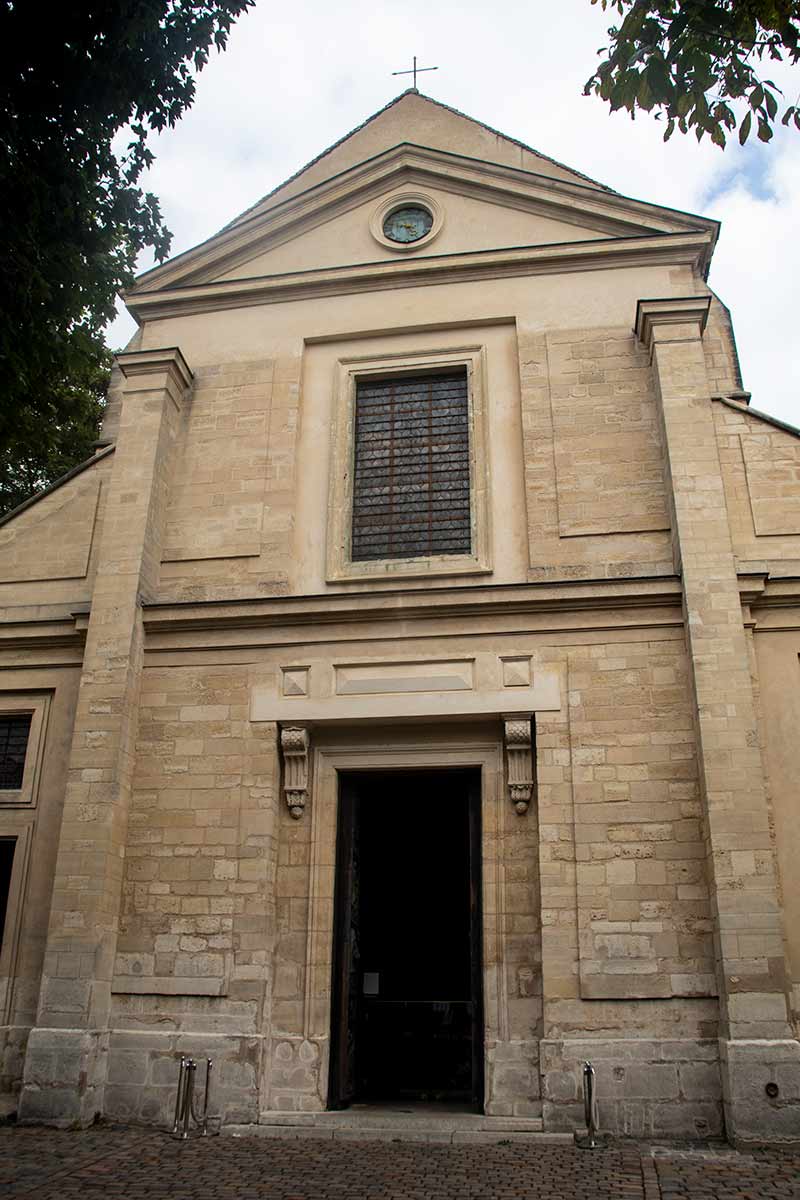
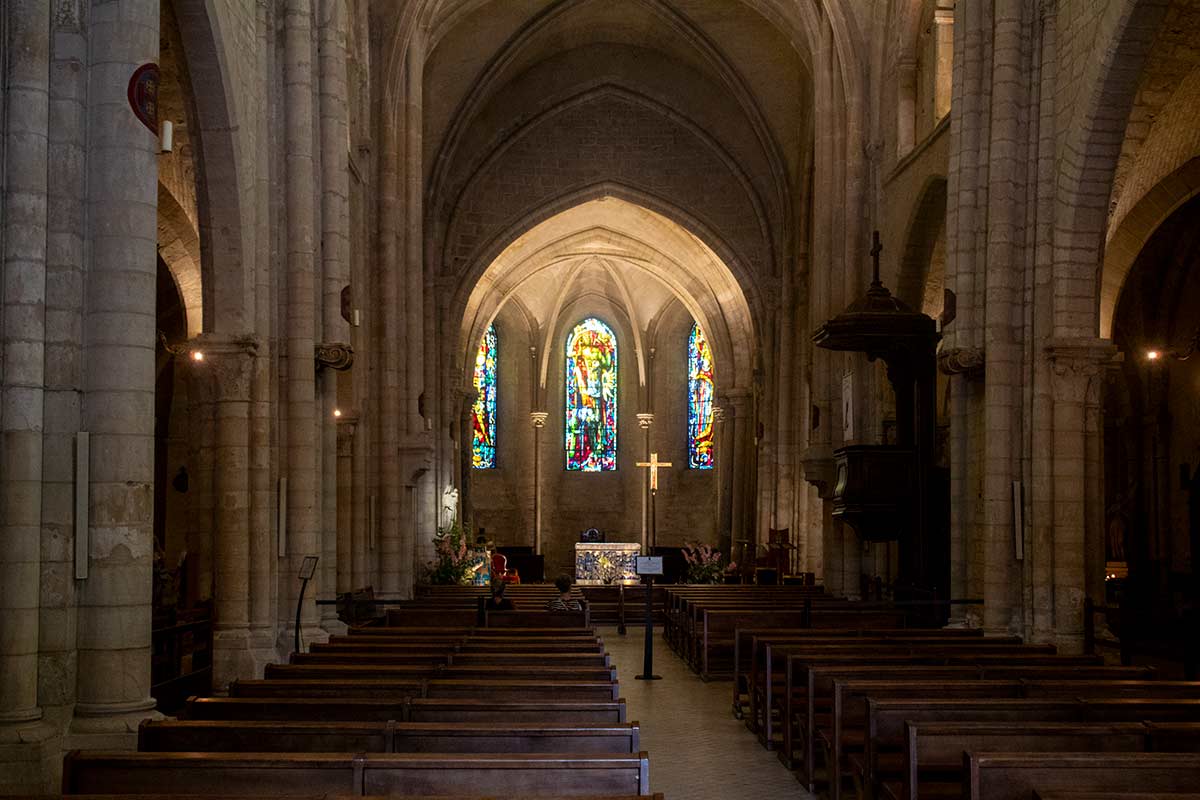
St Pierre de Montmartre is one of the oldest churches in Paris, founded in the 6th or 7th century AD, with much of the present building from the Romanesque period, the early to mid-12th century onwards.
It’s all that remains of the once-powerful Abbey of Montmartre, which was destroyed after the French revolution of 1789. The church was also in a poor state before this, and after napoleon’s defeats it was used by Russian soldiers as a barracks.
It was eventually restored around the turn of the 20th century. It’s far quieter than close neighbour Sacré Coeur, and also more rewarding. At first sight the interior is rather simple and humble but take a look at some of the vivid, detailed pillar capitals for some of the finest early medieval stoneworks in France. Some of the capitals – such as those shown above – date from the 6th-7th century Merovingian period.
St Jean de Montmartre
Unusual Art Nouveau church on Place des Abbesses
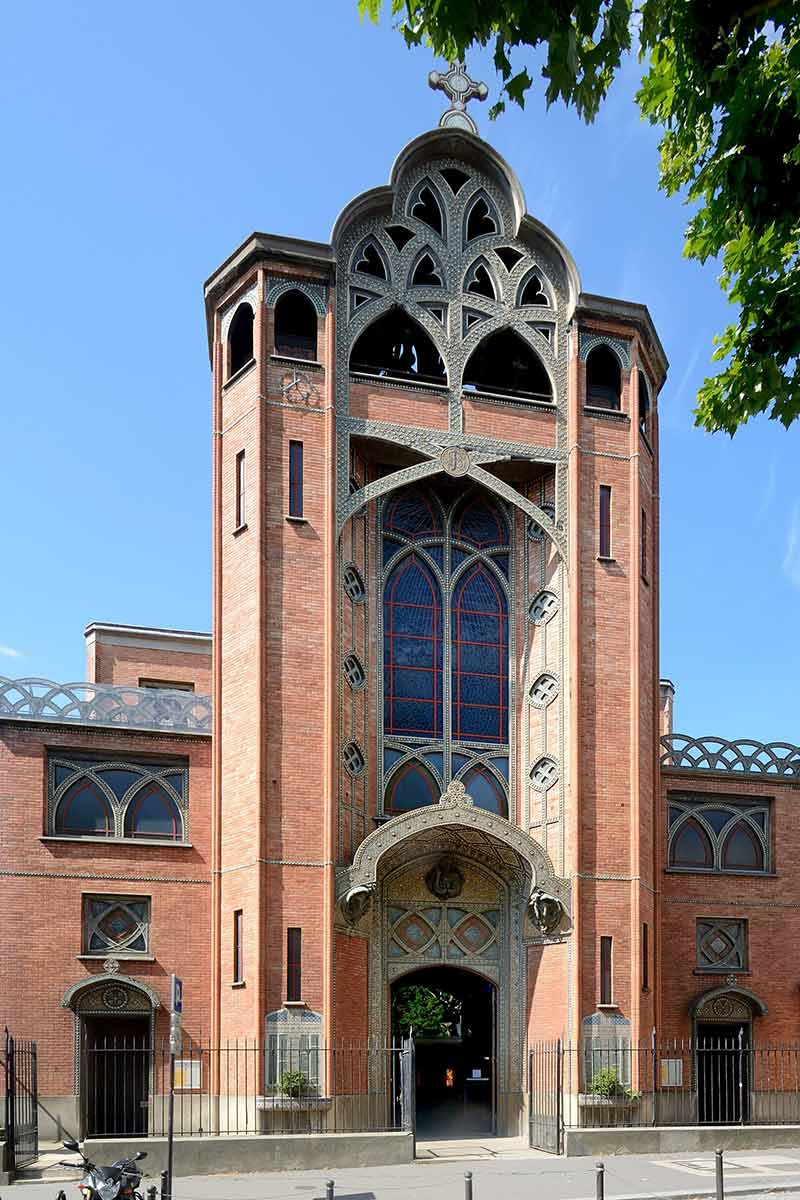
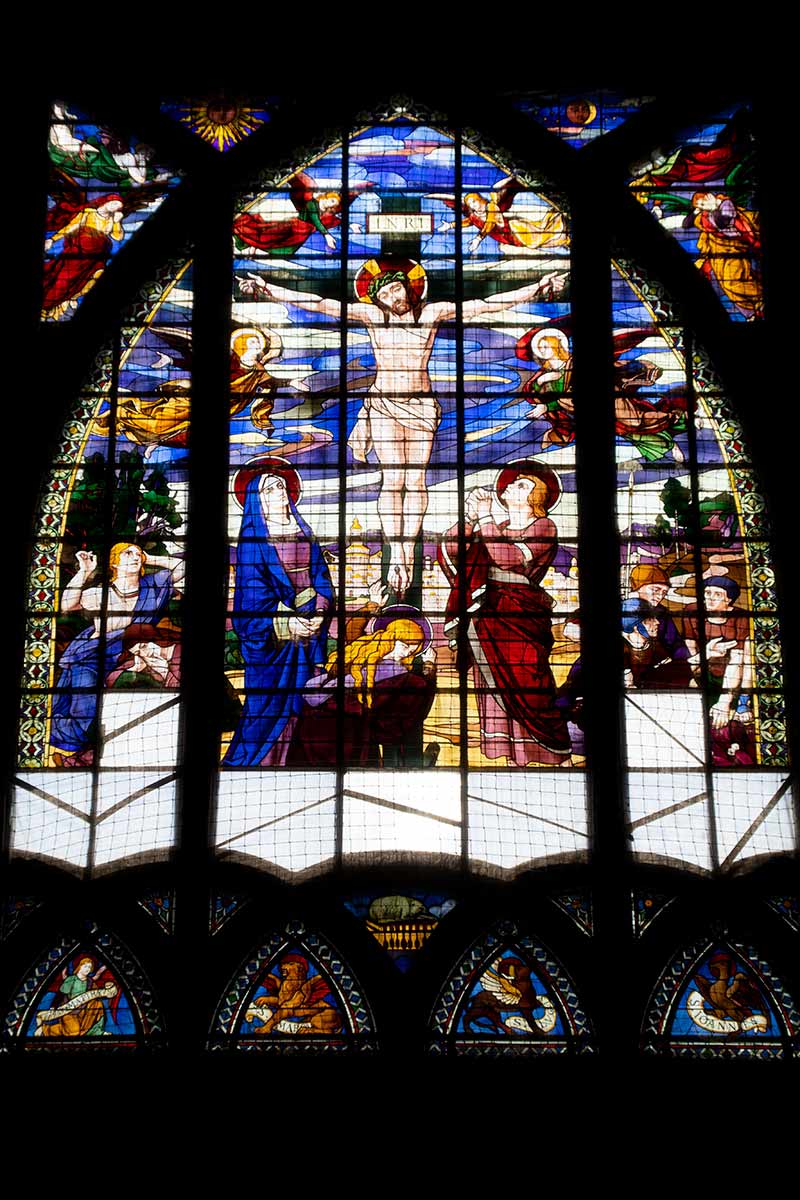
There aren’t many fully Art Nouveau churches in Europe, though many churches around the continent incorporate some Art Nouveau elements or decoration. Saint-Jean-de-Montmartre is a rare example of a fully Art Nouveau church, built in a single spell between 1894 and 1904 to a design by Anatole de Baudot.
The church is built from reinforced concrete, the first such religious building in France. It is also built around an iron frame with considerable use of red brick, bringing to mind some of the Catalan Art Nouveau of Barcelona.
Cimétière de Montmartre
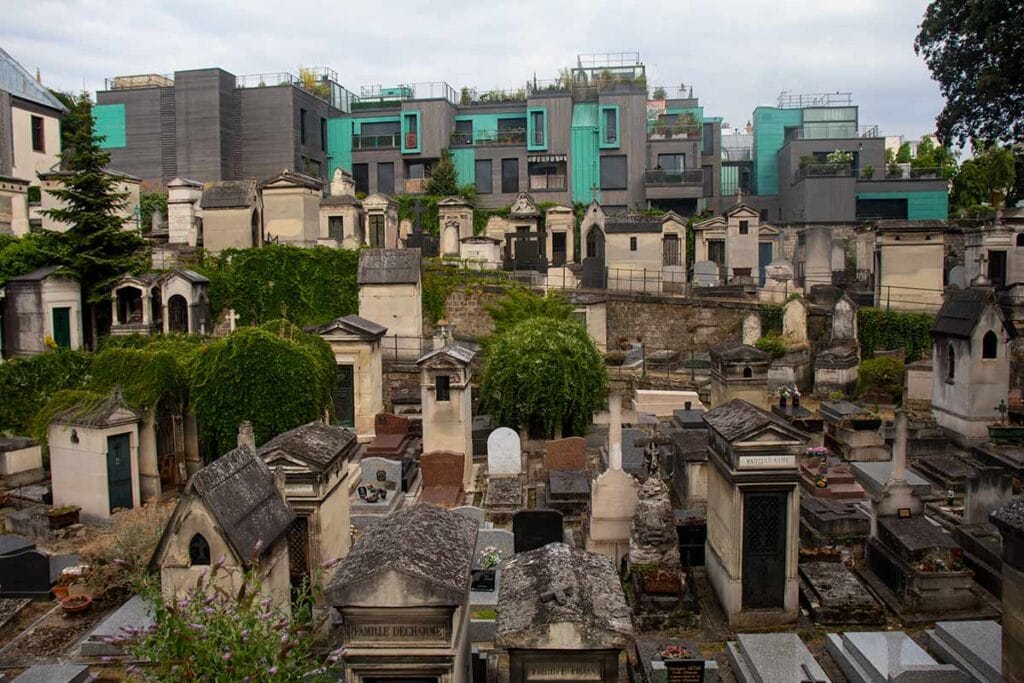
Montmartre Cemetery is near the foot of the Butte de Montmartre, either side of Rue Caulaincourt just before it meets the Boulevard de Clichy.
Like the other main cemeteries in Paris, it’s the final resting place of numerous notables. The aforementioned singer Dalida is interred in the small section pictured above, while the larger section the other side of the road includes the tombs of composer Hector Berlioz, painter Edgar Degas, author Stendhal and ‘60s chanteuse France Gall.
It’s somewhere you could easily while away half a day. It’s roughly halfway between Blanche (line 2) and Place de Clichy (lines 2 and 13) Metro stations. Entry is free.
The Wall of Love – Le Mur des Je t’Aime
This wall near Abbesses Metro station has become a popular attraction in recent years. It was inaugurated in 2000, created by artists Claire Kito and Frédéric Baron, and includes translations of the phrase ‘I love you’ in around 250 languages.
There’s not a great deal to do other than find the words in your own language, take a few photos and move on, but I think the intention of it is marvellous.
It was nice to see the phrase translated into my second language, Welsh, although the translation is a bit formal and stiff. If you ever want to tell your loved one that you love them in this wonderful Celtic language, say,”Dwi’n dy garu di,” rather than the version on the wall. But that’s a very minor quibble indeed!
Things To Do In Montmartre Paris – Final Thoughts
I hope that you’ve enjoyed this guide to one of the most captivating and most romantic neighbourhoods in Paris. It’s a wonderful part of the city to explore at any time of year, and its character changes through the seasons.
Having lived in the city for a few months and visited the city countless times, I’ve written numerous other articles on Paris, so feel free to browse some of them below:
Montmartre
Abbesses Metro Station Paris – one of the most beautiful Metro stations in Paris
Rue de l’Abreuvoir – one of the most picturesque streets in Paris
Rue St Rustique Paris – ancient Parisian street in the heart of Montmartre
Sacré Coeur Basilica Paris – the white-domed symbol of Montmartre
General Paris Articles
Art Nouveau Paris – 12 magnificent sights not to be missed
Best Eiffel Tower Views – over 20 superb vantage points of the most famous landmark in Paris
Sunset in Paris – the best 15 places to see one
Icons of Paris – the most famous landmarks and symbols of Paris
Best Things to Do In The Latin Quarter Paris – in-depth guide to the fascinating Left Bank in Paris
Visiting the Arc de Triomphe Paris – all you need to know before you visit one of the great monuments of Paris
Visiting Place de la Concorde – the vast monumental square at the heart of Paris
Paris Carousels – the best merry-go-rounds in Paris
Visiting the Delacroix Museum Paris – exploring the life and legacy of one of 19th-century France’s greatest painters
Statue of Liberty in Paris – seek out the replicas of Lady Liberty across the French capital
Churches In Paris
22 Famous Churches in Paris – 22 ecclesiastical wonders
La Sainte Chapelle Paris – one of the wonders of the Gothic Age
Basilica of St Denis Paris – the birthplace of Gothic architecture
Saint Germain des Pres – landmark ancient Left Bank church
Saint Etienne du Mont – stunning Latin Quarter church
Saint Sulpice Church Paris – vast Neoclassical church dominating the Latin Quarter skyline
Pantheon Paris – the resting place of many famous French luminaries
Saint-Séverin Church Paris – Left Bank Gothic wonder
St Julien Le Pauvre – humble ancient church within sight of Notre Dame
Bridges in Paris
Famous Paris Bridges – 15 of the most beautiful bridges on the Seine
Pont Alexandre III Paris – the most flamboyant, ornate bridge in Paris
Bir-Hakeim Bridge Paris – stunning double-decker bridge near the Eiffel Tower
Pont des Arts Paris – elegant iron bridge connecting the Louvre and Institut de France
Pont Neuf Paris – the venerable oldest bridge in Paris, and sometime art installation subject
Parks in Paris
Square du Vert Galant Paris – the most romantic garden in Paris
Jardin du Luxembourg – one of the most beautiful gardens in Paris
Tuileries Garden Paris – amazing garden near the Louvre
Parc Monceau Paris – gorgeous folly-filled park near the Arc de Triomphe