
Zagreb remains rather off the beaten path for many visitors to Europe, so the main landmarks in Zagreb won’t be as familiar to many as the likes of London, Paris, Berlin and Prague.
Zagreb is the sort of city that grows on you slowly. It might not have the internationally renowned sights, but it has a gorgeous Old Town with a few stunning buildings and beautiful streets, a delightful place to wander and the setting for one of the best Christmas Markets in Europe.
In this article I’ll introduce you to the best Zagreb landmarks, from the historic hilltop Old Town to the medieval forest castle in the mountains north of the city. I’ll describe each landmark, explain where it is and how to visit, and suggest some guided tours and places to stay in the city.
I hope you enjoy this introduction to one of the most underrated cities in Europe.
Where To Stay In Zagreb
Hotel Dubrovnik – one of the great Zagreb hotels, 4-star luxury just off the main Jelacic Square
Boutique Hotel HOH – lovely small hotel just north of the main Zagreb sights, at the northern end of the Old Town
Baroque – beautiful apartment in historic Old Town building, ideal if you prefer a place to yourself
Hotel Jagerhorn – the oldest hotel in Zagreb, almost 200 year old, in superb location close to Funicular and Jelacic Square
Best Zagreb Tours
Old Town Zagreb Walking Tour – also includes the Gric Tunnel, Zagreb Funicular and Jelacic Square
Zagreb City and World War Two Tunnels Tour – a longer walking tour (up to 3 hours) covering more ground in the Lower Town
Plitvice Lakes and Rastoke Guided Tour With Tickets – one of the best day tours from Zagreb, to the stunning Plitvice Lakes National Park
St Mark’s Church
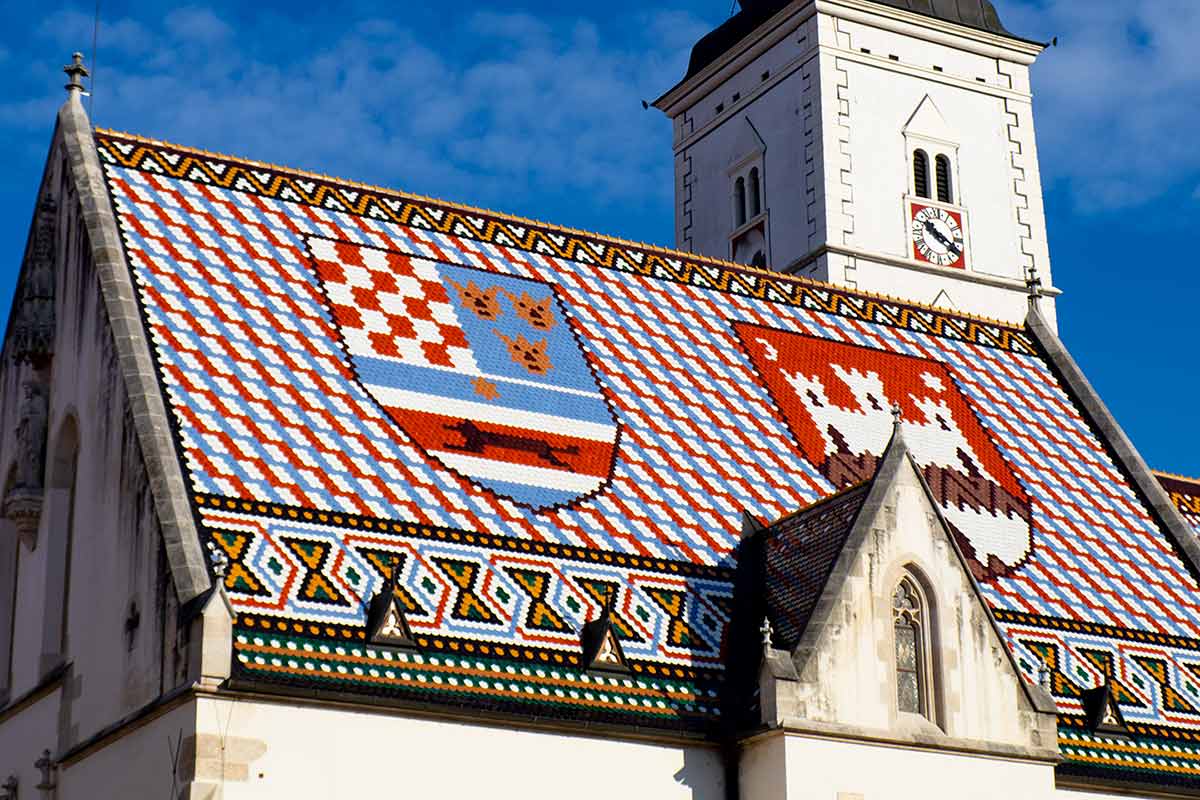
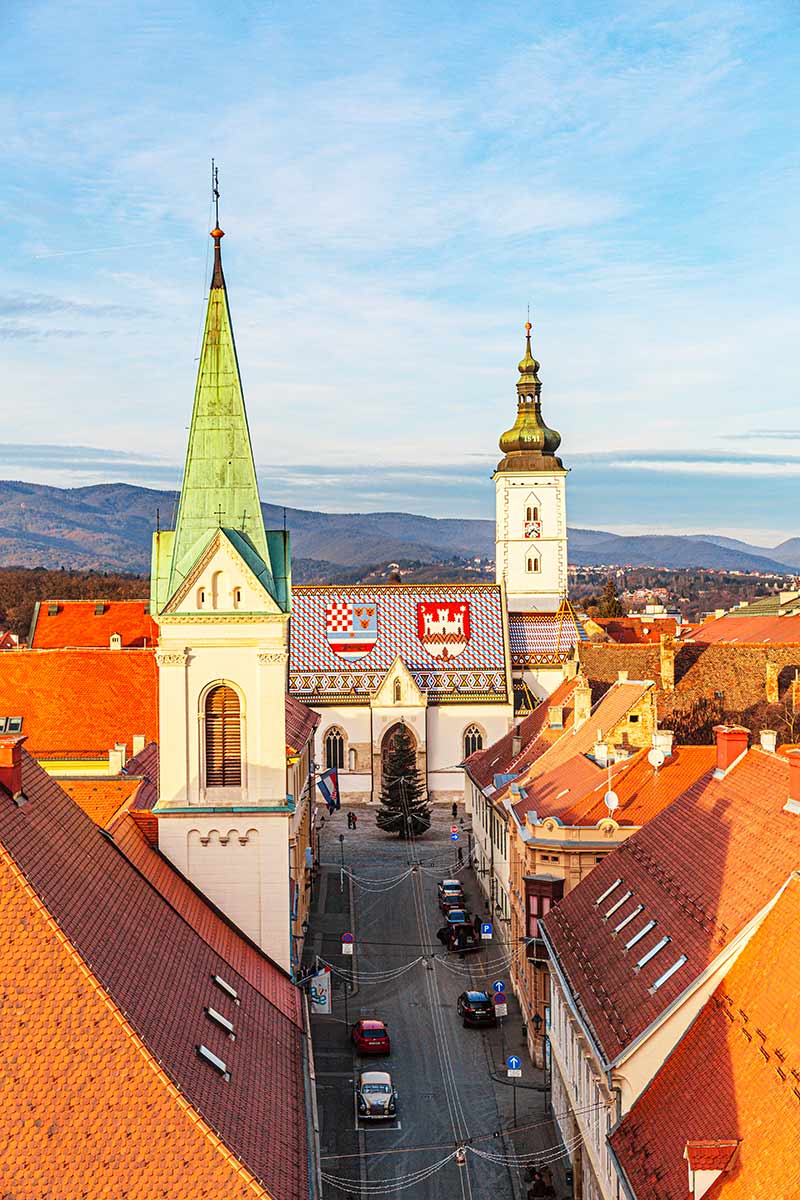
This Gothic church next to the Croatian Parliament (Sabor) is one of the most striking churches in Europe. Like the Cathedral and other churches in Zagreb, it was founded in the Middle Ages (in its case the 13th century) but has suffered the ravages of invasion and earthquakes, most recently in 2020. It also suffered terrible fire damage in the 17th and 18thcenturies, and twice it was suggested that the church be demolished. So it’s a wonder it’s there at all.
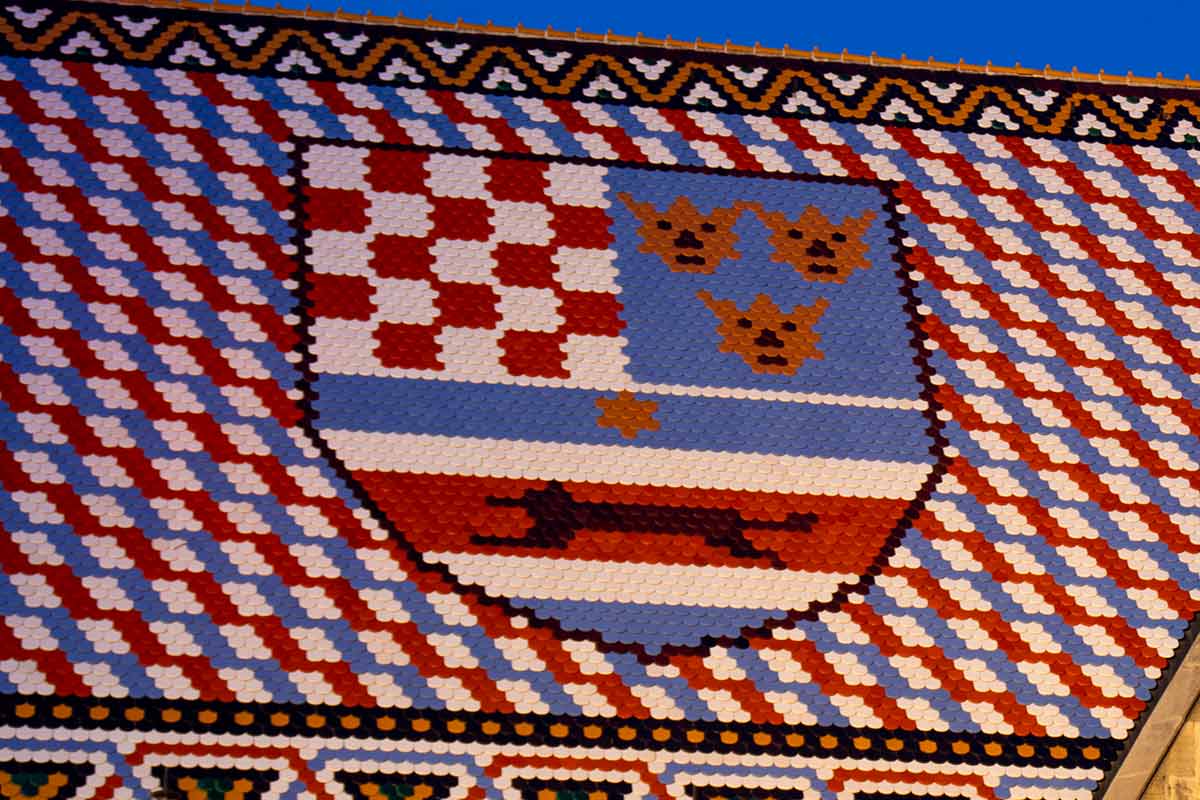
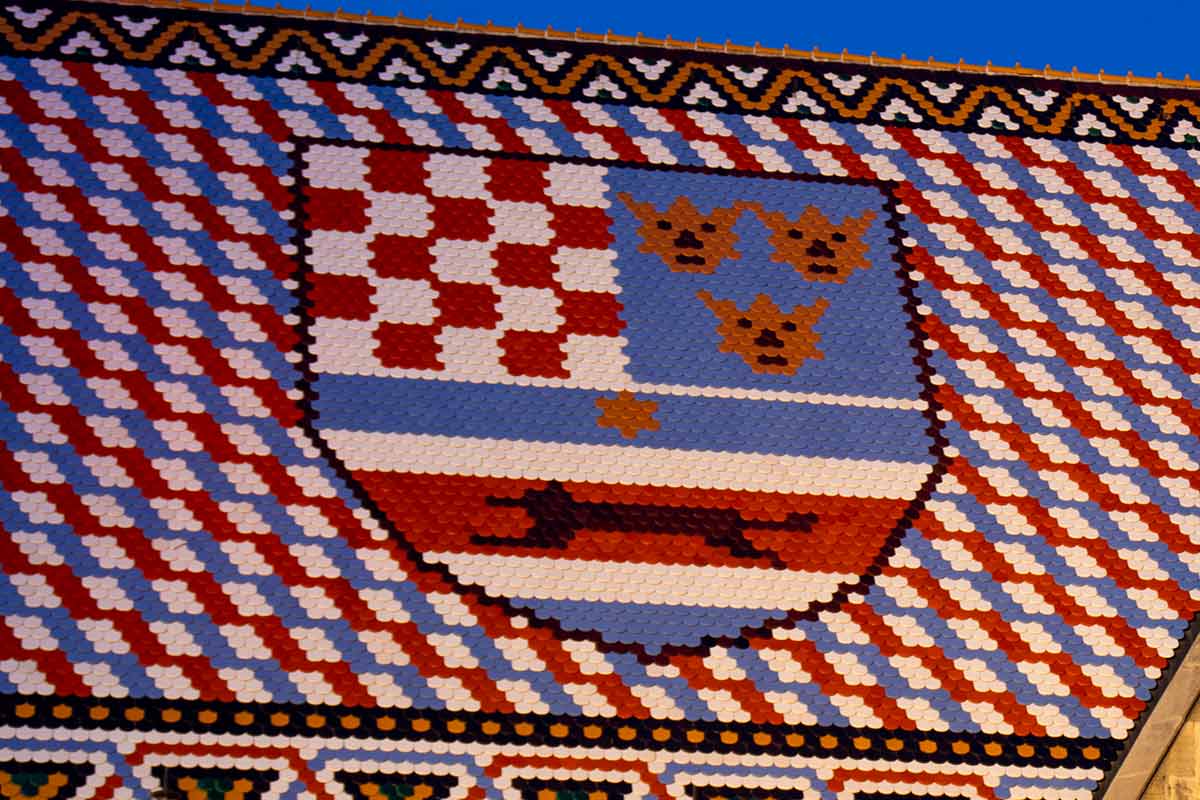
St Mark’s Church is the most recognisable of landmarks in Zagreb because of its extraordinary tiled roof. Added in the 19th century, it’s a blaze of colour, especially red, white and blue, and displays two coats of arms – those of the city of Zagreb and the Kingdom of Croatia, Slavonia and Dalmatia with its familiar checkerboard design. If I ever write an article on the most beautiful roofs in Europe, it’s a certainty to feature.
Despite two visits to Zagreb – the second lasting over a week – I’ve never been able to access the interior of the church, which is mostly renovated Gothic. Access to the square is also sometimes limited, due to heightened security measures after a ‘lone wolf’ attack on the Sabor by a gunman.
You can still see and photograph the Church’s magnificent roof, but pedestrian access is at present limited. This is a real pity – hopefully full access will soon be restored, and somebody connected to the church will cotton on to the fact that a lot of visitors actually want to see inside as well as the roof.
Zagreb Cathedral
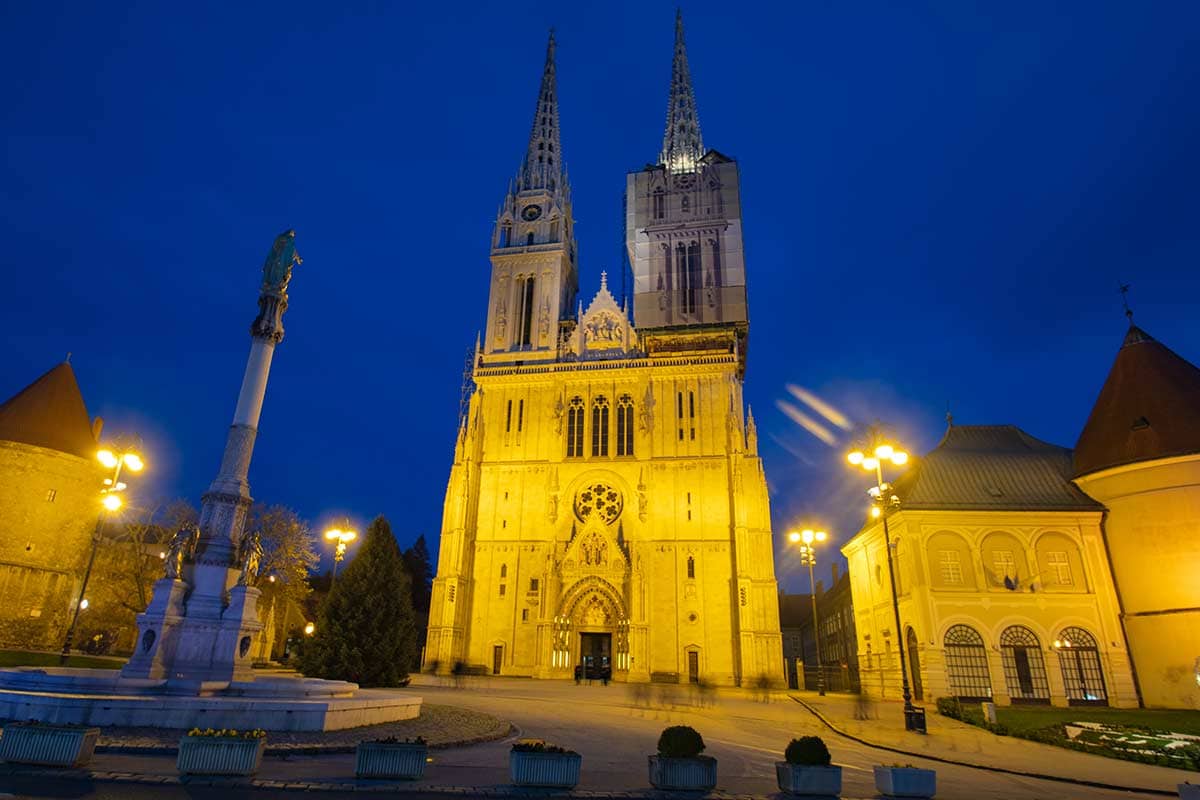
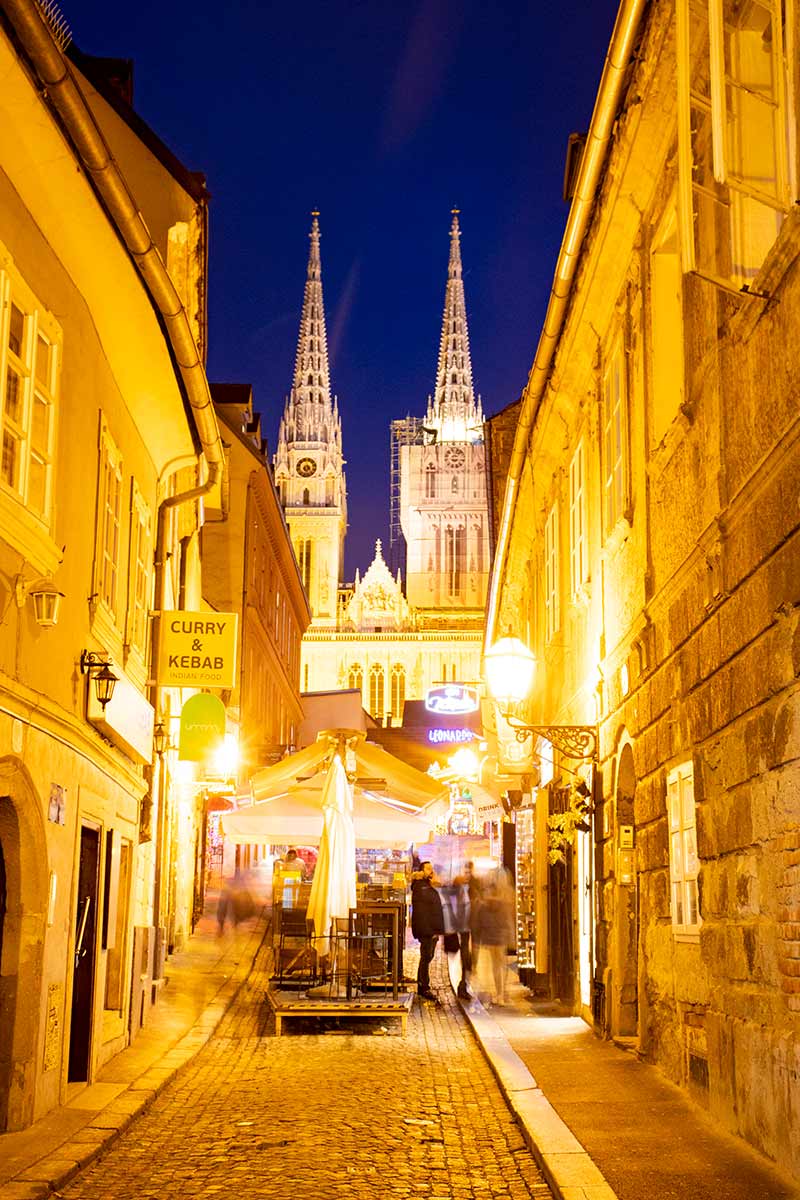
The twin spires of Zagreb Cathedral are an impressive sight rising high above the Kaptol and Gradec areas of the Old Town. It’s one of the oldest buildings in the 900-year-old city, the Gothic replacement for a Romanesque original wrecked by the invading Tatars in the 13th century.
Much of the structure dates from the late 19th– and early 20th-century rebuilt following extensive damage in the 1880 Zagreb earthquake. The rebuild was the work of Hermann Bolle, and included the twin west spires.
The south spire has been clad in scaffolding since 1990, before the break-up of the former Yugoslavia. Sadly, the north spire is also covered as a result of damage sustained in the March 2020 earthquake. While the restoration work is ongoing, visits to the Cathedral interior aren’t possible at the time of writing (2026).
Stone Gate
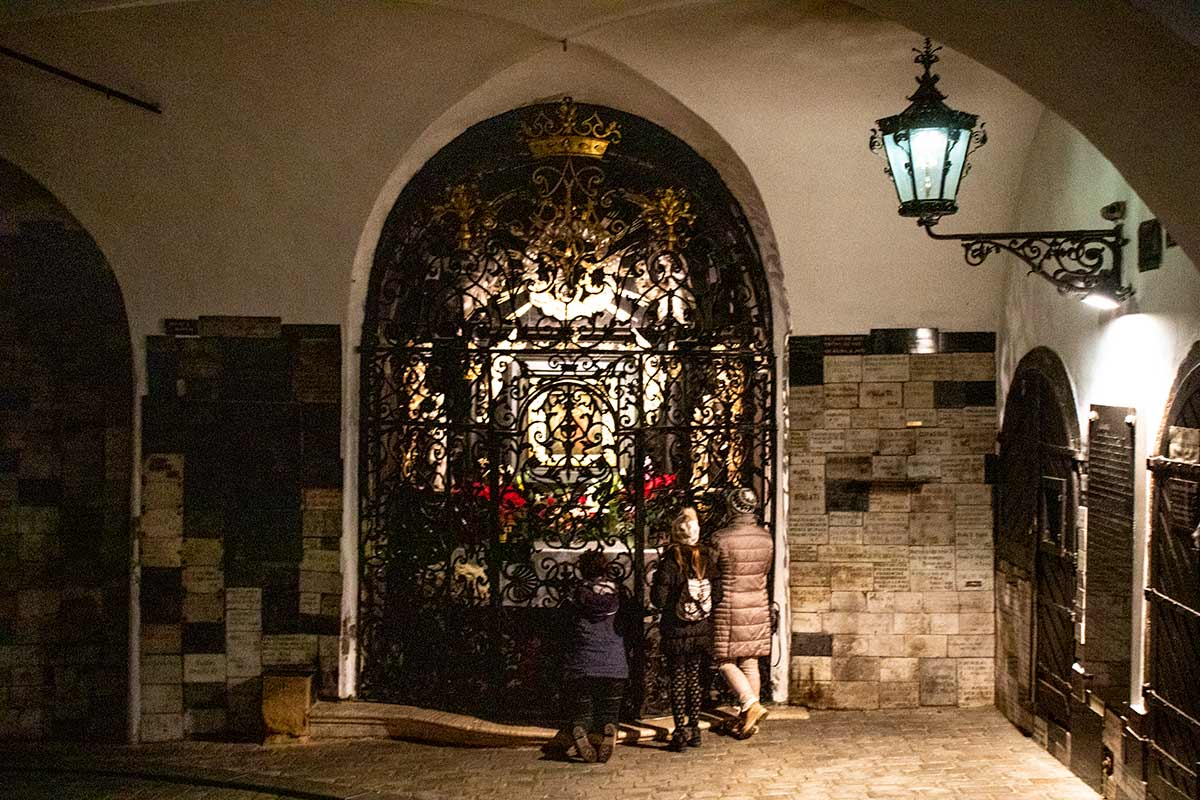
The Stone Gate – Kamenita vrata – is one of the oldest landmarks in Zagreb, dating from the 13th century, although it was largely rebuilt in the 18th century.
It’s the only surviving fortified Gate in the city of Gradec (also known as Gornji Grad), built as a result of becoming a free royal town thanks to King Bela IV.
The Stone Gate became a shrine in 1731, following the Great Fire of Zagreb. The fire destroyed many buildings in Gradec and Kaptol, and among the ruins a painting of the Virgin Mary was discovered undamaged. Its wooden frame had been burned, but the painting was intact. This was deemed a miracle, and the painting was hung in the Stone Gate, and an altar built so that it could be venerated.
The Mother of God of the Stone Gate was declared the patron saint of Zagreb in 1991, and attracts a steady flow of pilgrims every day. Unlike many other Zagreb landmarks, the Gate survived the 2020 earthquake undamaged.
Getting there: on foot via Radiceva, or bus 150 to Kamenita vrata, a few steps from the Gate.
Lotrščak Tower

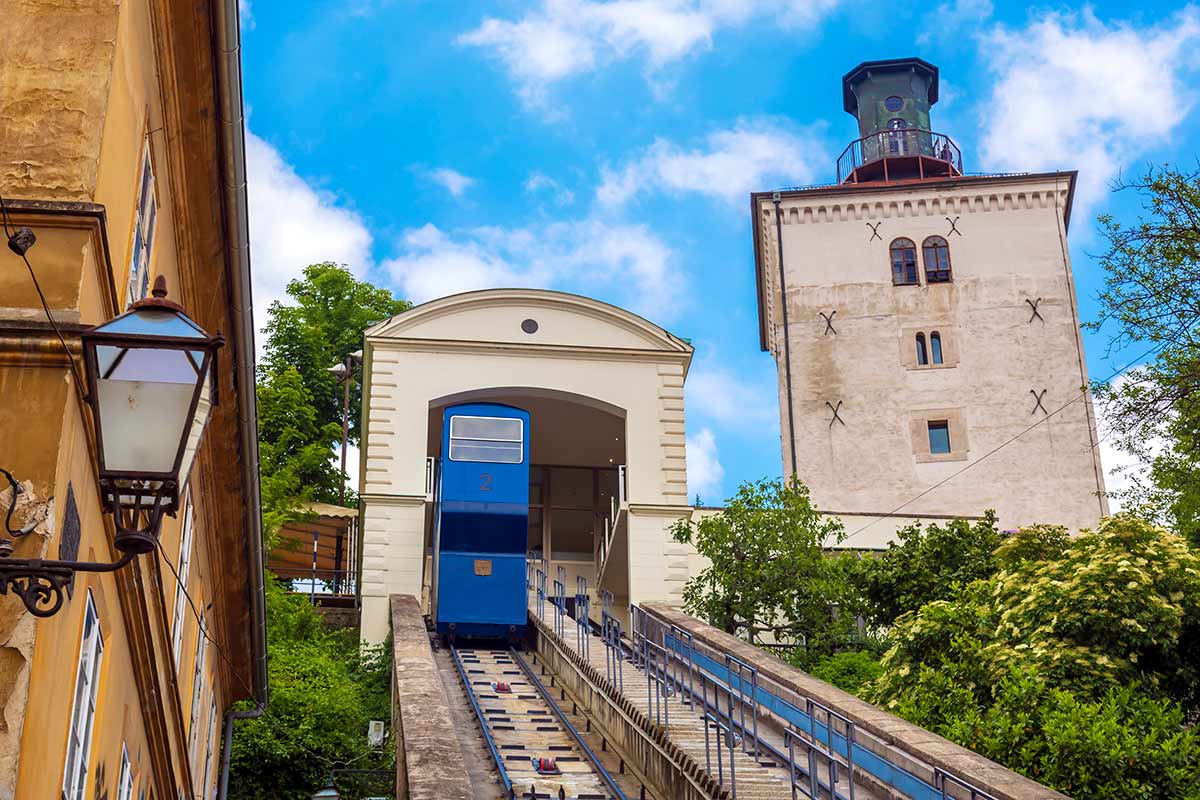
The Gradec area of what is now Zagreb was awarded free town status by Bela IV, King of Croatia in Hungary, for its part in helping him during the Tatars’ 1242 attack on his kingdom. As a result of its new status, Gradec had to be fortified over the following 20 years and more, and the Lotrščak Tower was added to its southern defences during this time.
The tower’s name came from the Latin for ‘thieves’ bell’, which was rung from the tower each night. It ceased to be used for defensive purposes after the Ottoman Turkish threat to Central Europe petered out by the late 17th century, and at some point two storeys were added to the tower. The short climb to the top rewards you with one of the best views of Zagreb, up Cirilometodska Street past the Greek Catholic Co-Cethedral to the colourful roof of St Mark’s Church and Mount Medvednica beyond.
The tower is part of the Klovicevi Dvori Gallery. Acces to the small viewing gallery at the top of the tower costs € 3 for adults and € 2 for children aged 7 to 18.
Ban Jelačic Statue

Josip Jelačic was a 19th-century Croatian national hero, a field marshal in the Habsburg Imperial Army and Ban – the equivalent of viceroy – of Croatia. He was also placed in charge of all Habsburg military forces within Croatia.
He fought on the side of the Austrians during the 1848 Hungarian Revolution, seeking to free Croatia from the Kingdom of Hungary. The Croatian Sabor – the forerunner of its present Parliament – also sought the union of Croatia, Slavonia and Dalmatia as a single entity, and the abolition of serfdom. He then led Croatian troops against Hungarian forces in several battles in 1848-49, breaking the growing Hungarian dominance in the country, which now came under greater Austrian control.
The prominent statue of Ban Jelačic is one of the best-known landmarks in Zagreb, and is the focal point of the central square (and transport hub) named after him. It was first erected in 1866, then removed in 1947 during Communist rule, only to be put back in pride of place in 1990, as Croatian independence and the break-up of the former Yugoslavia beckoned.
Dolac Market
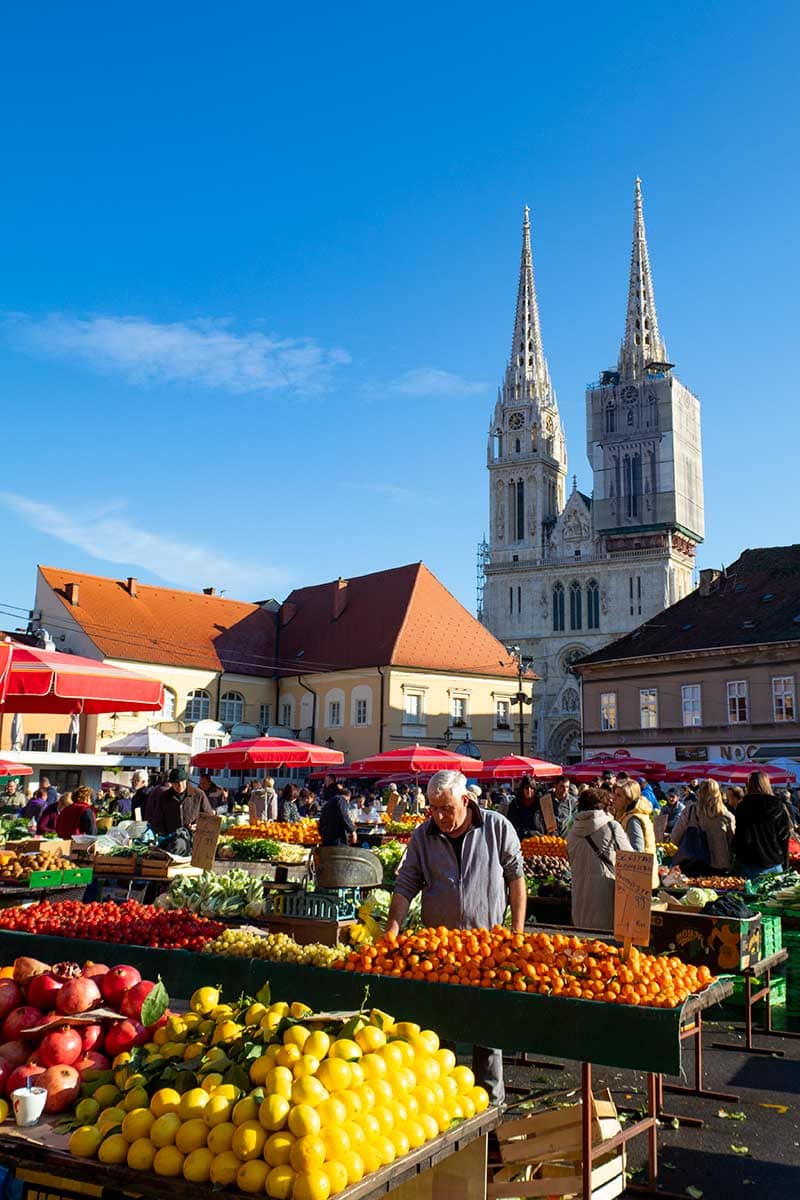
Dolac (pronounced ‘doe-lats’) Market is one of the best places to experience everyday Zagreb life. It’s the city’s open-air central market, on a broad square just up the hill (and a few stairs) from Jelačic Square, between the historic districts of Gradec and Kaptol.
It’s where local and regional farmers and producers come to sell their ware, so it’s a fantastic place to go food shopping. You’ll find everything from fresh fruit and vegetables to flowers to honey and craft beers and spirits. The Square also has great views of some of the surrounding landmarks, including the scaffolding-covered spires of the Cathedral.
The city’s main indoor market is downstairs below Dolac Square, and this is where you’ll find local butchers and fishmongers.
Zagreb Art Pavilion
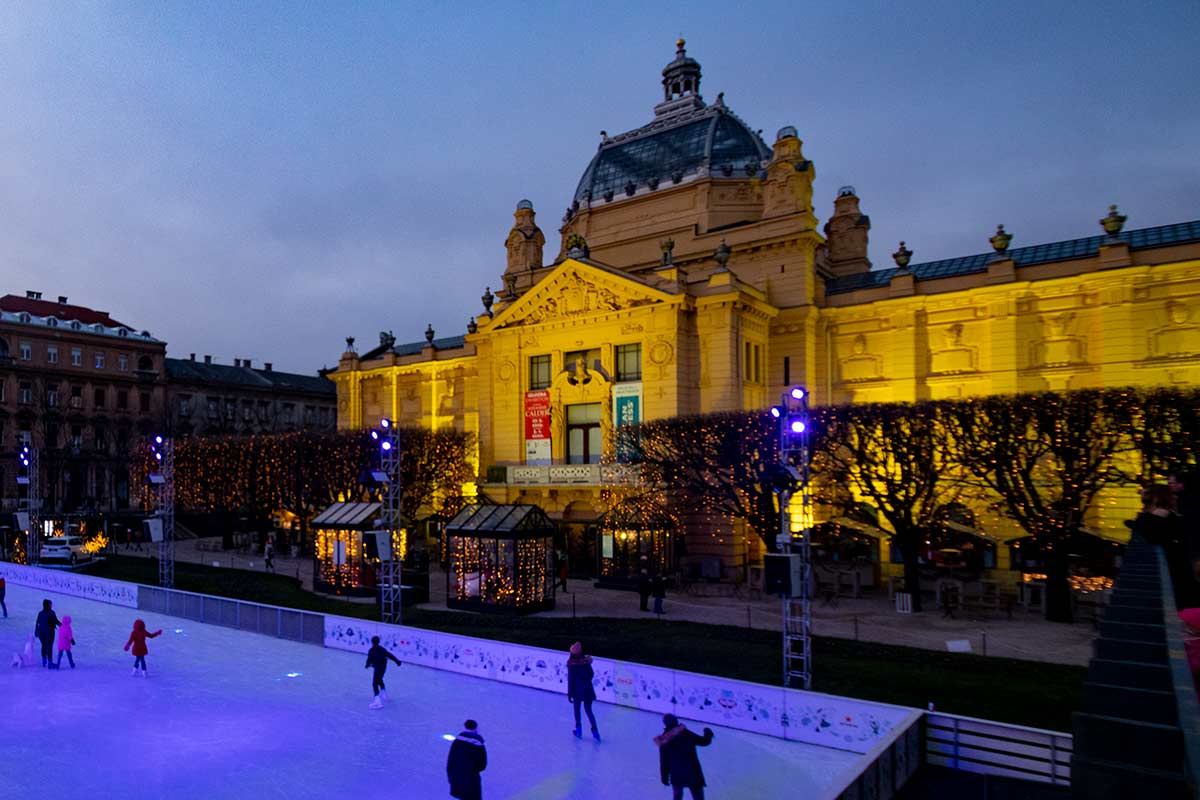
If you arrive in Zagreb by train, as I dd the first time I visited, the first Zagreb landmark you’ll see is the Zagreb Art Pavilion, facing you across King Tomislav Square (Trg Krala Tomislava).
Intriguingly, the gallery is built around a prefabricated iron frame which was constructed to house an exhibition of Croatian art in Budapest in 1896. This formed part of the Hungarian Millennium celebrations, and afterwards the building was disassembled and the frame transported to Zagreb.
The new Pavilion was designed by Austrian architects Fellner & Helmer, who had also designed the nearby Croatian National Theatre a few years earlier. The exterior includes busts of some of the foremost Italian Renaissance artists, including Raphael, Titian, Michelangelo and Carpaccio.
Unfortunately – a familiar refrain – the Pavilion remains closed in 2026 while restoration work following the 2020 earthquake remains ongoing.
Grič Tunnel
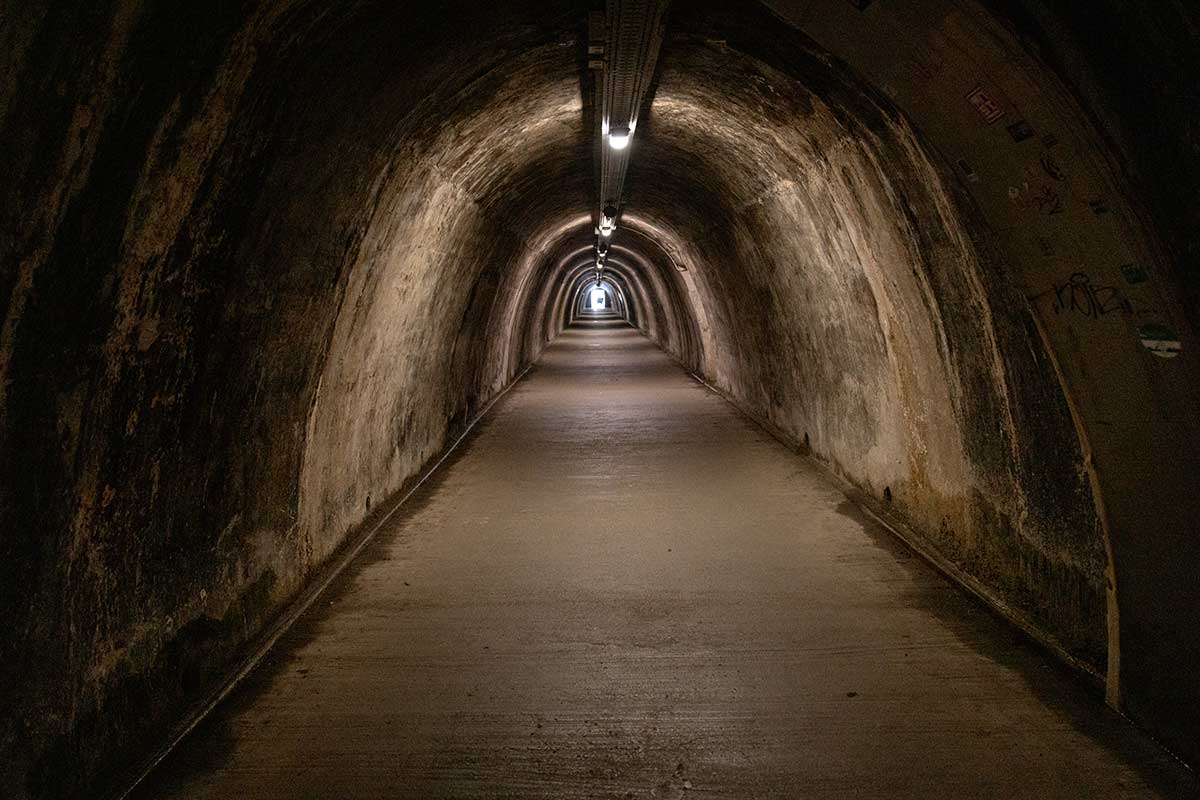
The Grič tunnel was built in 1943-44 as a wartime shelter and thoroughfare beneath the district – also known as Gradec and Gornji Grad – that bears its name.
The tunnel runs 350 metres from east to west below the area, with a central hall around 100 metres long and less than 6 metres wide.
The Tunnel was only used for its original purpose for a short time, falling into disuse by the 1950s. Local homeless people sought refuge there, and it wasn’t mentioned in the (restricted) Yugoslav media for around 40 years. Following Croatian independence, it was used as a rave venue, and later for occasional media and arts events.
It was finally opened to the public in 1916 after a limited renovation, and it’s accessible daily from 9.00 am to 9.00 pm. It’s free to visit, and the two main entry and exit points are on Radiceva (to the east) and Mesnicka (to the west).
Mirogoj Cemetery
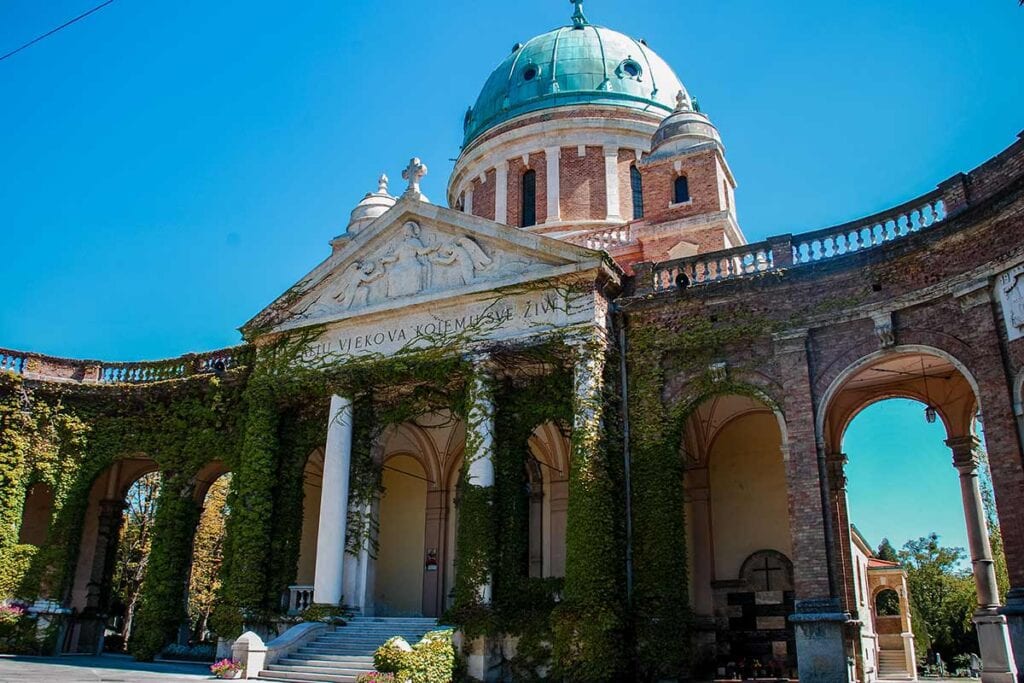
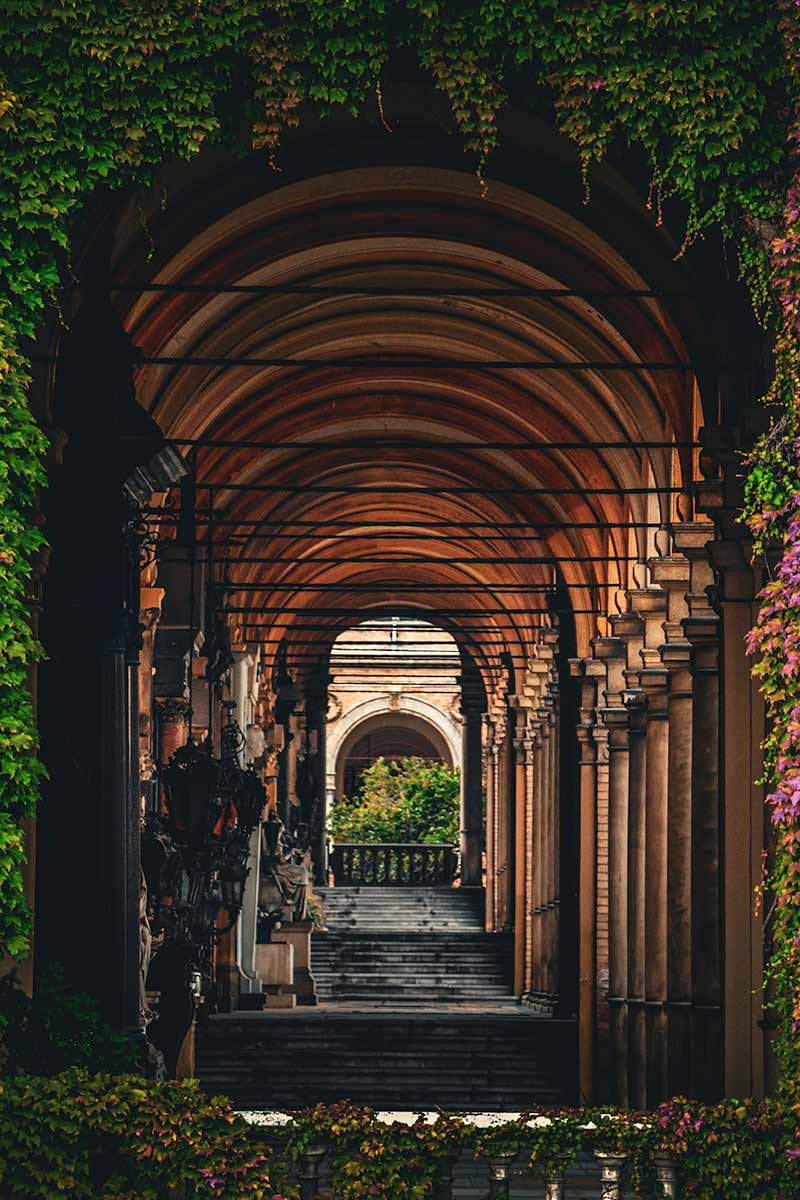
This vast cemetery to the north of the city is one of the most beautiful landmarks in Zagreb, particularly the domed entrance and arcades. It was designed by Hermann Bolle, who was also instrumental in restoring Zagreb Cathedral (see earlier in the article), and he was later interred at Mirogoj himself.
Other notable burials include poet Antun Matos, writer Miroslav Krleža, first President of Croatia Franjo Tudman and footballer and later Croatia coach Miroslav Blaževic.
Getting there: bus 106 runs there every 20 minutes from the Kaptol bus stop just north of Zagreb Cthedral.
Medvedgrad Castle
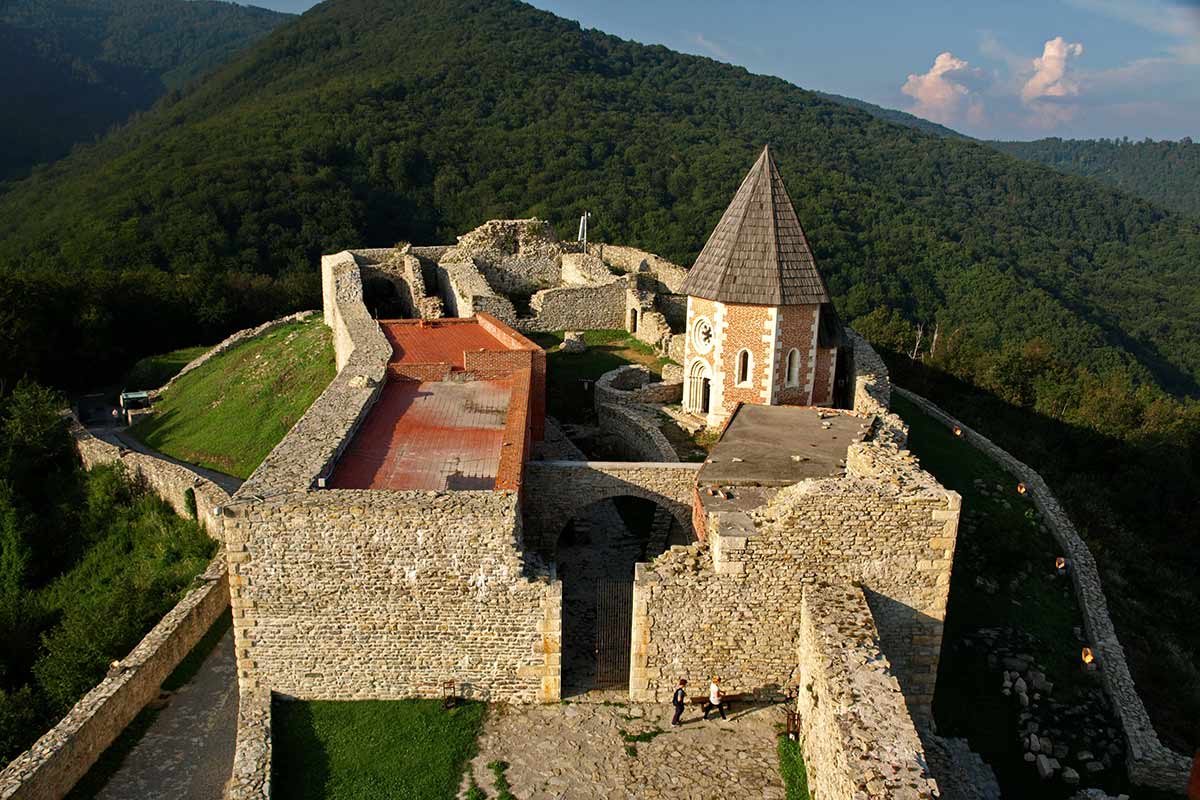
This Castle in the forests north of Zagreb is well worth seeking out, as are several other fine Croatian castles in the region. Medvedgrad (the name means ‘bear fortress’) dates from the reconstruction of Zagreb following the Mongol sacking of Zagreb in 1242, which also severely damaged the Cathedral. It’s built high on the Mount Medvednica massif, commanding superb views including south to the city of Zagreb 10 km (six miles) to the south.
Zagreb is in the middle of an earthquake-prone area, and the Castle was substantially damaged by quakes in 1590 and again in 1699. Medvedgrad remained in ruins for almost 300 years, until restoration in the late 20th century.
Medvedgrad is associated with the ‘Black Queen’, Barbara Celjska, who according to traditional lore sold her soul to the devil, and concealed a large treasure – guarded by a giant snake – somewhere in a network of tunnels – between Zagreb and Medvedgrad. She was renowned for her cruelty, especially in the area between Zagreb, Medvedgrad and the small town of Samobor to the west of the capital.
Maksimir Stadium
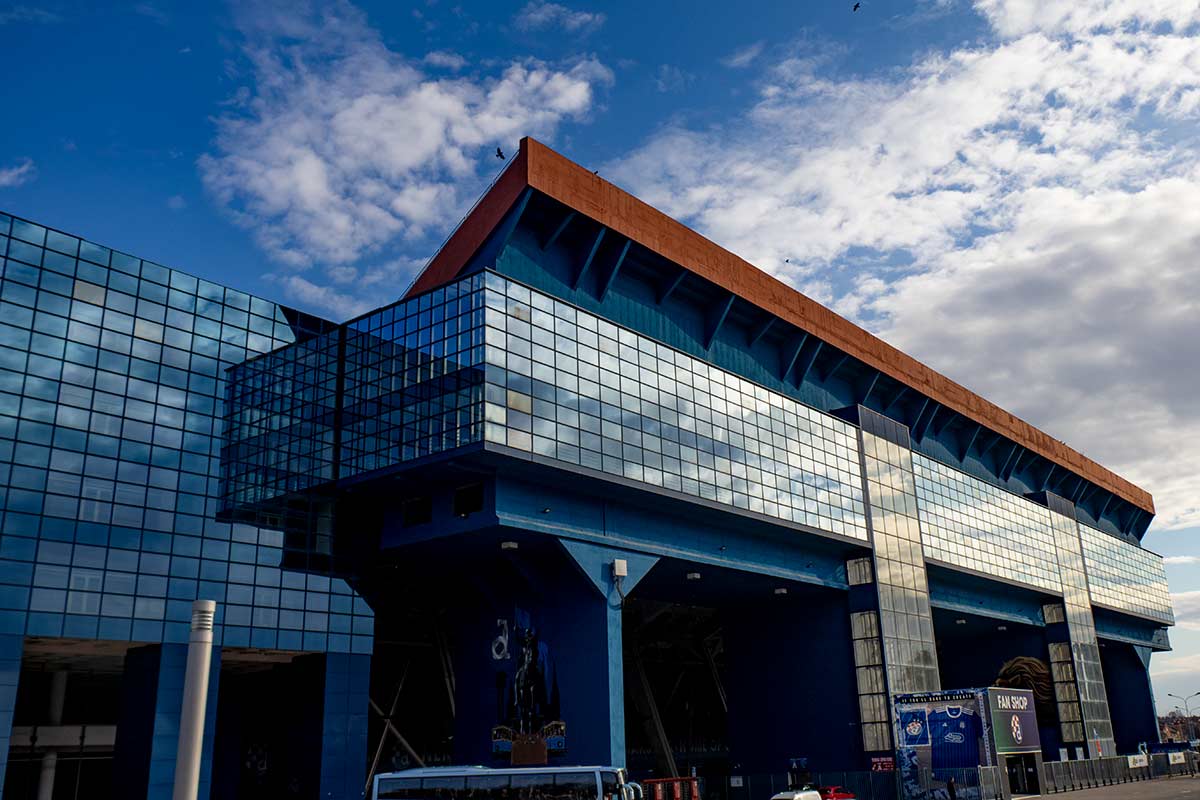
Football is far and away the most popular sport in Croatia, a country that has done extremely well at it since independence in the 1990s. They’ve even made it to a World Cup Final, in 2018, which they lost to France. The Maksimir Stadium is the nearest thing Croatia has to a national stadium, and is where the Croatian national team also plays most often.
The stadium, just across the street from beautiful Maksimir Park and Zagreb Zoo, is also home to Dinamo Zagreb, who have often qualified for the group stages of the Champions League, but tend not to progress further.
The Maksimir Stadium also has an important symbolic role in the movement towards Croatian independence and the breakup of Yugoslavia. In May 1990, Croatian nationalist parties won the majority of votes in the first democratic held in the country for over half a century. A week later, Dinamo Zagreb hosted a league match against Red Star Belgrade, and simmering tensions boiled over into a full-scale riot in the stadium. Dinamo captain Zvonimir Boban became a national icon for kicking a police officer who was beating a Dinamo fan.
Some have blamed the riot for triggering the Yugoslav civil war, but it was more of a reflection of tensions across the country at the time. Serbia, led by Slobodan Milosevic, wanted to keep the country together, or maximise Serbian territory across the various republics, while the other members of Yugoslavia favoured independence. This led to a series of wars in the Balkan region, the first on mainland Europe since the Second World War.
Getting there: Trams 4, 6, 7 and 8 to Maksimir Stadion.
Mamutica Apartment Block

Anyone with an interest in Communist architecture in Europe may be curious to learn that the largest apartment block from that period can be found in Zagreb.
The Mamutica – it means ‘little mammoth’ – is 240 metres long and around 60 metres high, and comprises 1,170 apartments. The colossal building is one of only two in Zagreb able to withstand the strongest earthquakes the city has experienced.
It’s located in the suburb of Novi Zagreb, to the south of the historic city centre. Buses 109, 166, 219, 220 or 221 stop close by at Islandska.
Famous Landmarks in Zagreb – Final Thoughts

I hope that you’ve enjoyed this article on the landmarks of Zagreb, and that it has given you a much better idea of what you’ll see when you visit. It’s a fascinating city, one that grows on you slowly, and hopefully it’ll be time for it to shine and gain more recognition soon.
For more information on visiting Zagreb, take a look at the following articles:
One Day In Zagreb – 24 Hours In The Croatian Capital
Zagreb Christmas Markets Guide – one of the best cities in Europe to visit in the run-up to Christmas
Zagreb 80s Museum – superb time travel trip back to 1980s Yugoslavia
Visiting Zagreb Naive Art Museum – fascinating museum covering Croatian Naive Art in the 20th and 21st centuries
And if you enjoy guides to landmarks around Britain and Europe, try some of these:
32 Famous Landmarks In France – from Paris to Provence, Albi to the Alps, and many more
25 Famous Landmarks in Germany
Berlin Landmarks – the Berlin Wall, Brandenburg Gate and much more
Dresden Landmarks – 19 stunning sights on the Florence of the Elbe
40 Famous Landmarks In Austria
UK Landmarks – the most famous sights in Great Britain and Northern Ireland.
12 Most Famous Landmarks In Bath – the Abbey, Roman Baths and much more
50 Famous London Landmarks for the sights to seek out in the UK’s capital
11 Best Landmarks in Birmingham UK – Selfridges, the Cathedral and one of the loveliest libraries in Europe
58 Famous Landmarks In Wales – some of the best Castles, and most beautiful mountains and beaches in Europe
20 Famous Landmarks in Cardiff – Castles, Edwardian elegance and a wondrous Cathedral hidden in the suburbs